Creamy Oysters
54 oysters with this flavor profile
Creamy oysters
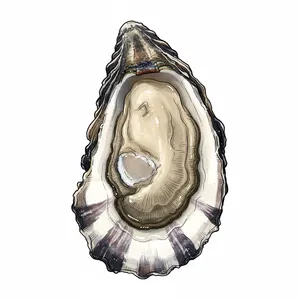
Baywater Sweet
US West CoastBoutique Pacific oyster from Thorndyke Bay in Hood Canal, Washington. Deep-cupped with exceptionally sweet flavor balanced by high brininess and a rich umami finish. Tumbled in tides, producing strong shells and full meat.
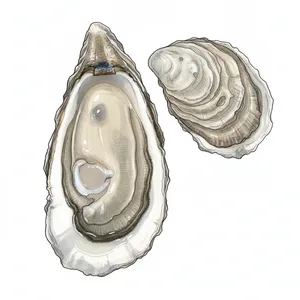
Blish Point
US East CoastA cocktail-size Cape Cod oyster from Barnstable Harbor with deep cups and clean shells. Creamy, plump meat with a solid Cape Cod brine and a sweet seaweed finish.
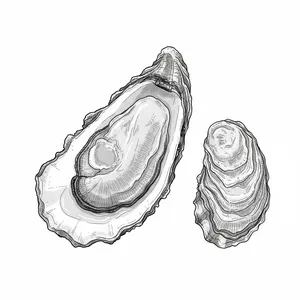
Bodega Bay Atlantic
US West CoastAtlantic oysters grown in Bodega Bay, California. Known for robust, gnarly shells and intensely briny, metallic flavor with a creamy texture and sweet finish. A bold West Coast take on the Eastern species.
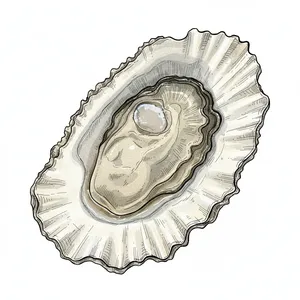
Calm Cove
US West CoastBeach-grown Pacific oyster from Washington's Totten Inlet and Hood Canal. Sweet and creamy with balanced brininess and a clean mineral finish. Cultivated by the Fagergren Family since 1946 in the nutrient-rich waters of South Puget Sound.
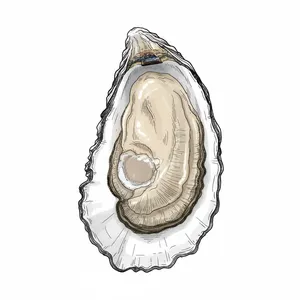
Cape May Salt
US East CoastA stalwart mid-Atlantic oyster from Delaware Bay, New Jersey. Briny and sweet with exceptionally plump, creamy meat from rack and bag cultivation near Cape May's salty waters.
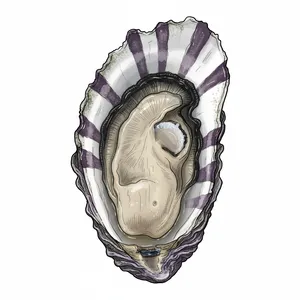
Chef's Creek
Canada West CoastA quintessential British Columbia oyster from Baynes Sound. Tray-suspended for 12-18 months, developing deep cups and full meats. High brininess with creamy texture, finishing sweet with hints of melon and lettuce.
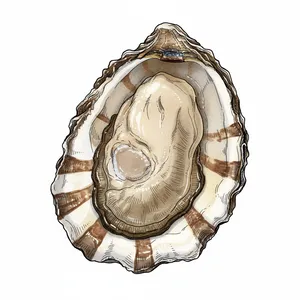
Chelsea Gem
US West CoastThe original tide-tumbled oyster from Eld Inlet's pristine waters. Deep-cupped with plump meats, mild brininess, silky creamy texture, and a signature sweet cucumber finish. A true Pacific Northwest gem.
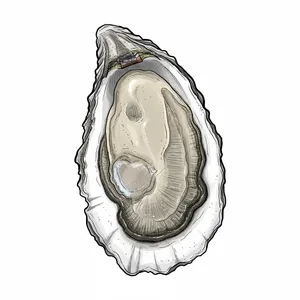
Church Point
US East CoastA large Virginia oyster from the James River and Chesapeake Bay. Known for bold brininess, rich creamy texture, and subtle sweetness with a savory lingering finish that exemplifies classic Virginia Bay character.
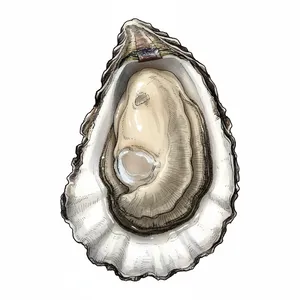
Dosewallips
US West CoastBeach-grown Pacific oyster from central Hood Canal where the Dosewallips River meets the sea. Sweet and cucumbery with a creamy texture, balanced brininess, and a light, clean finish.
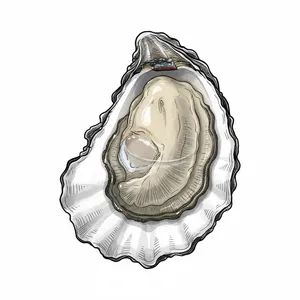
Eagle Rock
US West CoastClassic Totten Inlet oyster from South Puget Sound. Bag-to-beach cultivated for creamy, sweet meat with high brininess and the distinctive nori finish that defines the region. Saltier than most South Sound varieties.
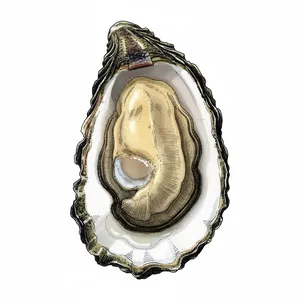
Eld Inlet
US West CoastA legendary Southern Puget Sound oyster known for exceptional sweetness and rich, buttery texture. Plump creamy-yellow meats with low salinity, watermelon rind notes, and the distinctive full-bodied South Sound character.
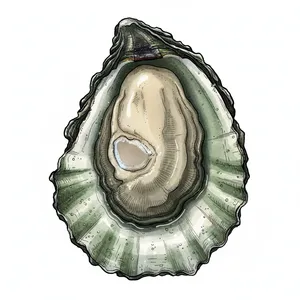
Emerald Cove
Canada West CoastA suspended tray-cultured Pacific oyster from Denman Island, BC. Medium salinity with full, plump, creamy meats, clean mild flavor, and a distinctive cucumber finish. Beautiful green pearlescent shells.
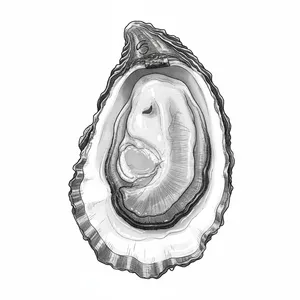
Gillardeau
FranceThe luxury standard. Exceptionally plump and creamy with intense minerality, sweet nuttiness, and refined balance from France's legendary fourth-generation oyster dynasty.
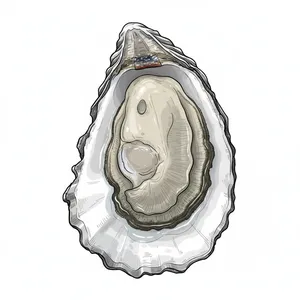
Goose Point
US West CoastSmall, plump Pacific oysters from Willapa Bay, Washington. Known for their intensely creamy, bacon-fat flavor with light salinity and a clean seaweed finish. Thick shells protect remarkably meaty interiors.
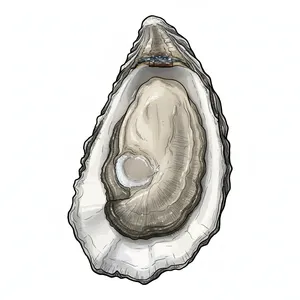
Gulf Coast
US Gulf CoastWild-harvested oyster from the warm Gulf of Mexico. Large, mild, and creamy with low salinity and soft texture. The affordable, all-purpose oyster that built America's oyster culture—perfect for cooking.
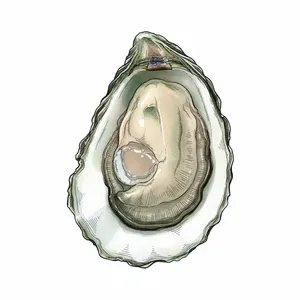
Hog Island Kumamoto
US West CoastExceptionally sweet Kumamoto from Humboldt and Tomales Bay. Tiny, deep-cupped oysters with creamy texture and honeydew-watermelon flavors. Virtually no brininess makes them perfect for beginners.
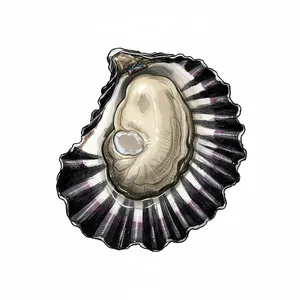
Hog Island Sweetwater
US West CoastThe signature California oyster from Tomales Bay. Rich and sweet with creamy, buttery texture, balanced brine, and a slightly smoky finish.
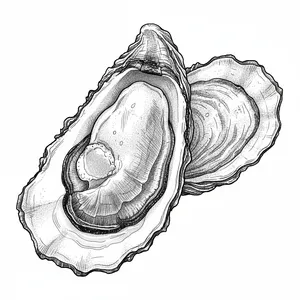
Hollywood
US East CoastUpper Chesapeake Bay oyster from Maryland's Patuxent River. Sweet and creamy with distinctive mineral and mossy notes from fossil-lined creeks. Complex flavor with a crisp, flinty finish.
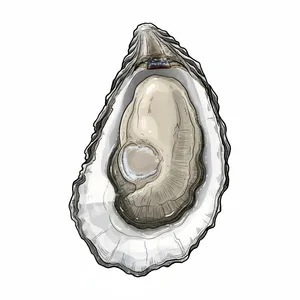
James River
US East CoastA mild Virginia oyster from the brackish waters where the James River meets the Chesapeake Bay. Exceptionally plump with low salinity, focusing on sweet cream and savory, earthy notes with a smooth finish.
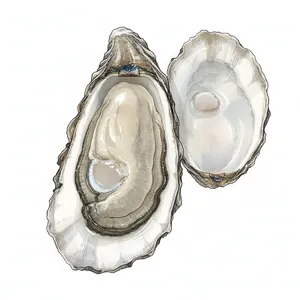
Johns River
US East CoastA large, bottom-planted Maine oyster from the Johns River estuary in South Bristol, hand-harvested by divers year-round. Briny and unusually fruity, with a sweet, creamy middle, a savory depth and a clean finish.
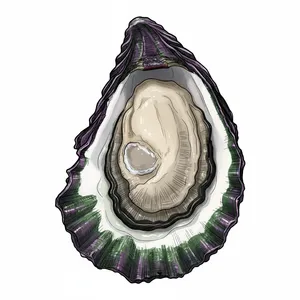
Judd Cove
US West CoastA mild, sweet Pacific oyster from Orcas Island in Washington's San Juan Islands. Features beautiful purple and green swirled shells, creamy white meat with a distinctive black mantle, and a clean vegetal flavor with minimal salinity. Highly sought after by discerning Seattle chefs.
Katama Bay
US East CoastLarge, deeply-cupped Martha's Vineyard oyster famous for its intense brine and sweet-candy finish. Katama Bay is the appellation: several farms work the bay, and some sell under their own names, such as Sweet Neck and Sweet Petite from Jack Blake's Sweet Neck Farm.
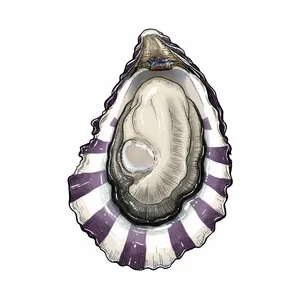
Kelly Gigas
IrelandPacific oyster farmed by the famed Kelly family in Galway Bay's mineral-rich waters. Exceptionally creamy with mild brine, grassy cucumber notes, and stunning purple-striped shells with pure white meat.
Little Wicomico
US East CoastA balanced Virginia oyster with sweet, creamy meat and moderate brine. Sustainably farmed for four generations in the Little Wicomico River.
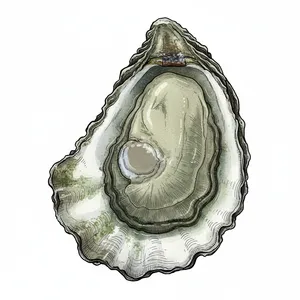
Marenne
FranceA refined French oyster from the famous Marennes-Oléron basin. Mild, sweet, and creamy with a subtle nutty flavor and firm texture.
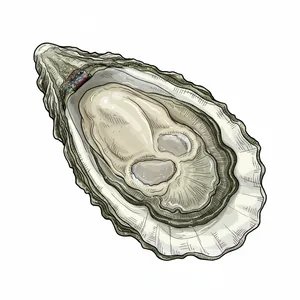
Martha's Vineyard
US East CoastA bold island oyster from Martha's Vineyard, Massachusetts. Large and deep-cupped with an intense briny hit, smooth creamy body, and sweet finish. Known for plumpness and abundant liquor.
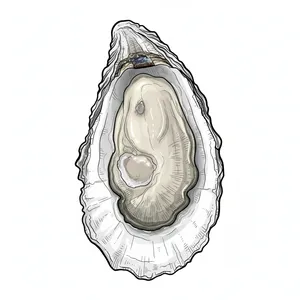
Moon Shoal
US East CoastFamily-farmed Cape Cod oyster from Barnstable Harbor. Briny and creamy with a distinctive melon finish. Rack and bag cultivation creates a balanced, complex flavor profile.
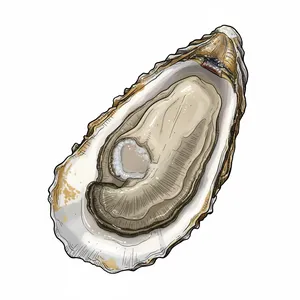
Ninigret Cup
US East CoastRhode Island oyster from Ninigret Pond. Medium-sized with a deep cup, featuring subtle brine, sweet buttery notes, and a distinctively thick creamy finish. Raised in cages then bottom-planted for strength.
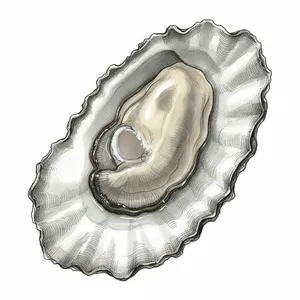
Peale Passage
US West CoastA beach-finished Pacific oyster from the strait between Harstine and Squaxin Islands in South Puget Sound, Washington. Firm, creamy meat with mild brine and a cucumber finish.
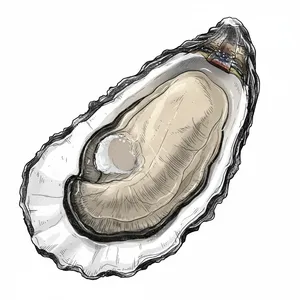
Pelican Reef
US Gulf CoastTray-raised Gulf Coast oyster from Cedar Key, Florida's first oyster farms. Medium-sized with striking white-and-black striped shells, firm plump meats, and a rich creamy flavor with perfect saltiness and a distinctive lobster-stock finish.
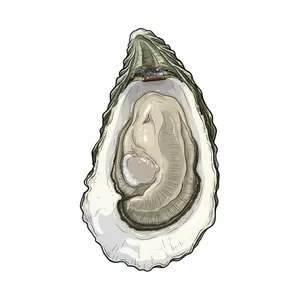
Pickle Point
Canada East CoastRare, aged PEI oyster from the makers of Raspberry Point. Seven years at harvest creates exceptional density and plumpness. Firm and intensely briny with creamy texture and subtle sweet finish. A collector's oyster.
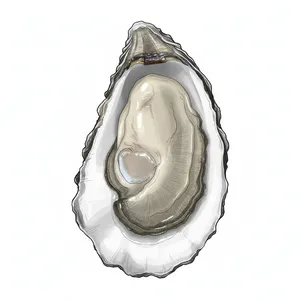
Pink Moon
Canada East CoastA petite, polished PEI oyster from Raspberry Point Oyster Co., grown slowly in floating cages in New London Bay. Salty up front, clean through the middle, and gently sweet at the finish.
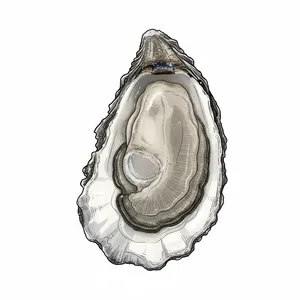
Pleasure House
US East CoastLarge, hand-cultivated oysters from Virginia Beach's legendary Lynnhaven River. Fat and firm with bold briny saltiness, buttery notes, and a smooth, creamy finish. A quintessential Virginia Bay oyster from a boutique family operation.
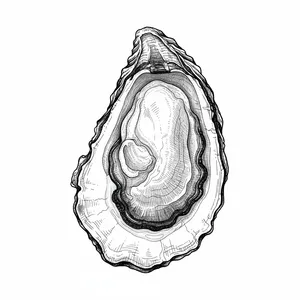
Point aux Pins
US Gulf CoastAlabama's pioneering boutique oyster from Grand Bay. Small, tender, and silky with a signature buttery, creamed-corn sweetness. Mild on brine, big on oysterness.
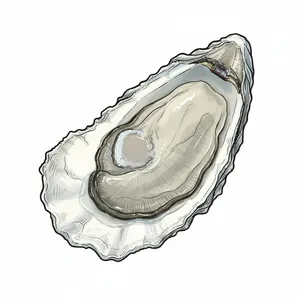
Potomac Whitecap
US East CoastA sweetwater Chesapeake oyster from the Potomac River region. Delicate and sweet with smooth creaminess, medium brine, and a clean finish. Plump meats reflect the freshwater influence of Virginia's Upper Bay Western Shore.
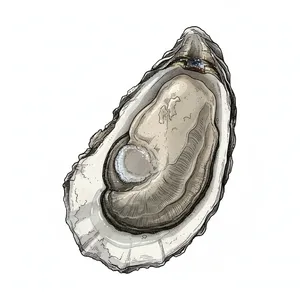
Pungoteague Creek
US East CoastClassic Virginia Bay oyster from Nandua Bay on the Eastern Shore. Perfectly balanced brininess and sweetness with a creamy, tender texture and buttery finish. A quintessential Chesapeake oyster.
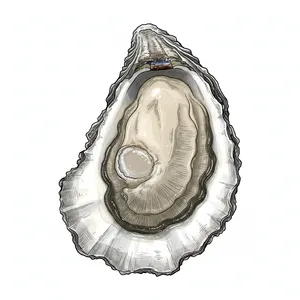
Rainier
US West CoastLarge beach-grown Pacific oyster from South Puget Sound. Known as the 'big bad boys' of Puget Sound with plump, full meats, buttery creamy texture, light brininess and sweet flavor. Perfect for grilling or raw.
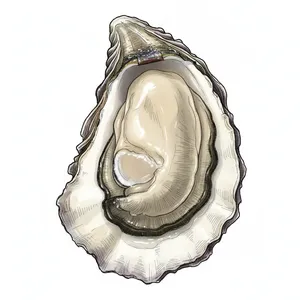
Rock Point
US West CoastA small, beach-raised Pacific oyster from Dabob Bay in Washington's Hood Canal. Sweet and savory with melon and cucumber notes, in a hard shell that shucks cleanly.
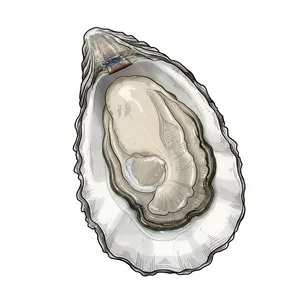
Royal Miyagi
US West CoastA rare Pacific Northwest oyster with distinctive sweet creaminess and unique kiwi-like finish. Cultivated on suspended lines then beach-finished for exceptional smoothness and plump texture.
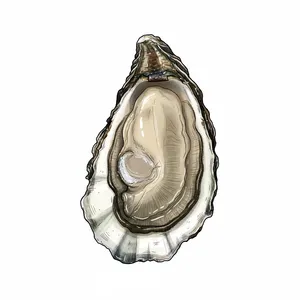
Salt Pond Select
US East CoastBottom-cultured heavyweight from Point Judith Pond, Rhode Island. Large, intensely briny oysters with pronounced metallic and mineral notes, creamy plump meats, and a concentrated tidepool flavor that demands an experienced palate.
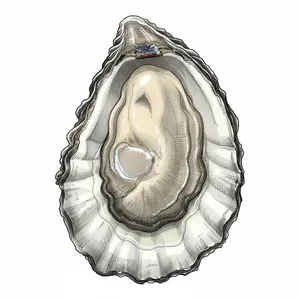
Sanctuary
Baja California, MexicoA Pacific oyster from Laguna San Ignacio in Baja California Sur, grown off the bottom by Sol Azul inside the El Vizcaíno Biosphere Reserve. Briny first, then cucumber sweetness and some creaminess, with firm, plump meat.
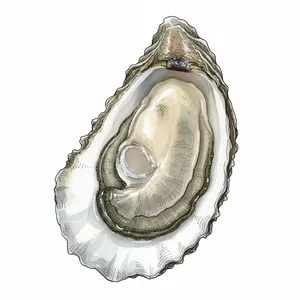
Sea Cow
US West CoastA tumbled Pacific oyster from South Puget Sound's Hammersley Inlet with extraordinary creamy richness and deep, funky earthiness. Flavors of wild mushrooms and umami make this the foie gras of the coast—an acquired taste for adventurous oyster lovers.
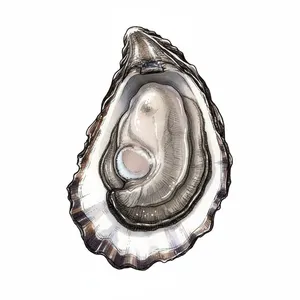
Shibumi
US West CoastSmall, deeply-cupped Pacific oyster from Eld Inlet, southern Puget Sound. Tide-tumbled to perfection with plump, sweet meat, low salinity, and a distinctive smoky finish with unique notes of Jerusalem artichoke and raw green bean.
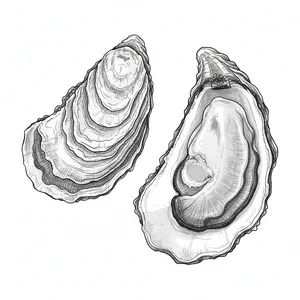
Snow Hill
US East CoastGrown in floating bags in Chincoteague Bay, Maryland. Bold and briny with creamy, bread-like sweetness. Balances ocean salt with freshwater character for approachable yet flavorful taste.
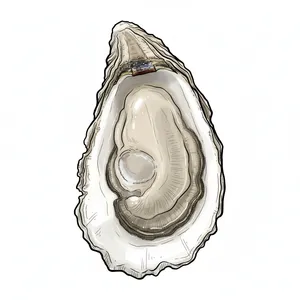
Sweet Petite
US East CoastThe smaller, younger grade of Jack Blake's Sweet Neck oyster, grown in off-bottom cages in Katama Bay, Martha's Vineyard. It is one grower's brand from the bay, not another name for Katama Bay oysters in general. Deep-cupped with firm white meats, a briny hit, smooth creaminess and a sweet finish.
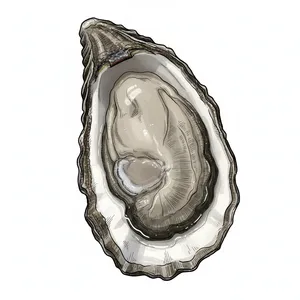
Sydney Rock
AustraliaAustralia's signature oyster. Mild, sweet, and luxuriously creamy with a smooth finish that makes it perfect for beginners.
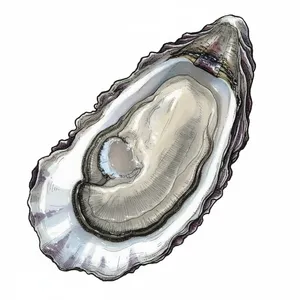
Thatch Island
US East CoastA rack-and-bag Cape Cod oyster from Barnstable Harbor, grown by Sandy Neck Oyster Company. Briny and silky with a mineral, limestone finish, in a deep, sturdy shell that shucks easily.
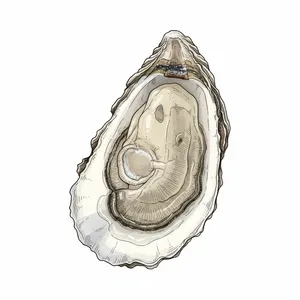
Umami
US East CoastA savory Rhode Island oyster from Narragansett Bay. Intensely sweet and creamy with pleasant saltiness and a clean finish. Deep-water suspension cultivation produces tender meats full of spirit and finesse.
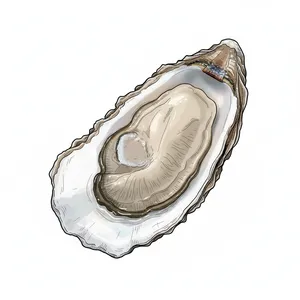
Village Bay
Canada East CoastA refined Eastern Canadian oyster from New Brunswick's pristine Bedec Bay. Medium salinity with sweet, creamy flavor, subtle hazelnut and cucumber notes, and a bright, buttery finish. Farmed for 4-6 years in nutrient-rich Atlantic waters.
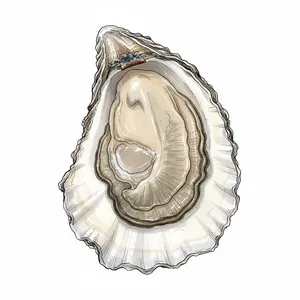
Westcott Bay
US West CoastOriginal 'astronaut oysters' from San Juan Island. Delicate, sweet, and creamy with fine shells. Suspension-grown to never touch the bottom, creating exceptionally light texture and mild flavor.
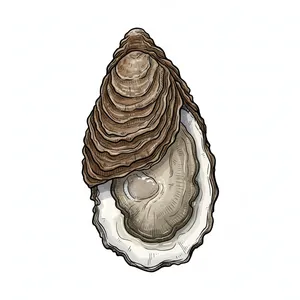
Wild Goose
US East CoastRack-and-bag raised oyster from Narragansett Bay, Rhode Island. Strong brine and mineral-forward with beautiful brown shells, exceptional meat fill, and a distinctive sweet, creamy umami finish.
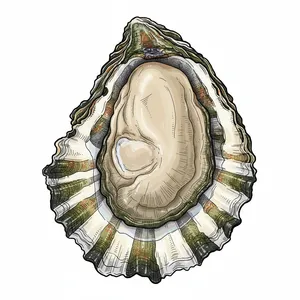
Yaquina
US West CoastLarge, sweet Pacific oyster from Yaquina Bay, Oregon. Creamy texture with subtle brininess and a clean finish. Grown in nutrient-rich waters with exceptional tidal exchange for a distinctively sweet taste.
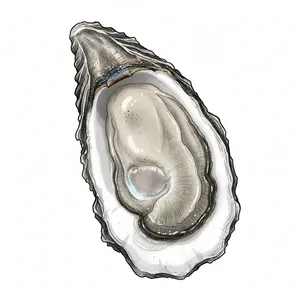
Boomamoto
US East CoastA petite, very deep-cupped Cape Cod oyster from Cape Cod Oyster Company, shaped like a West Coast Kumamoto but an Eastern oyster in species and taste. Strong brine up front and a sweet finish.
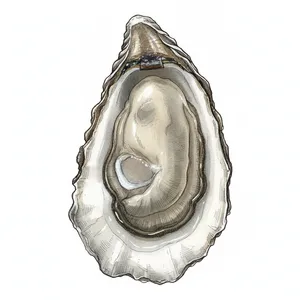
Kellum
US East CoastA mild Chesapeake Bay oyster packed by W.E. Kellum Seafood of Weems, Virginia, a family company since 1948. Plump and tender with little salt and a buttery, sweet taste; it comes from beds across Virginia's Northern Neck and Middle Peninsula.