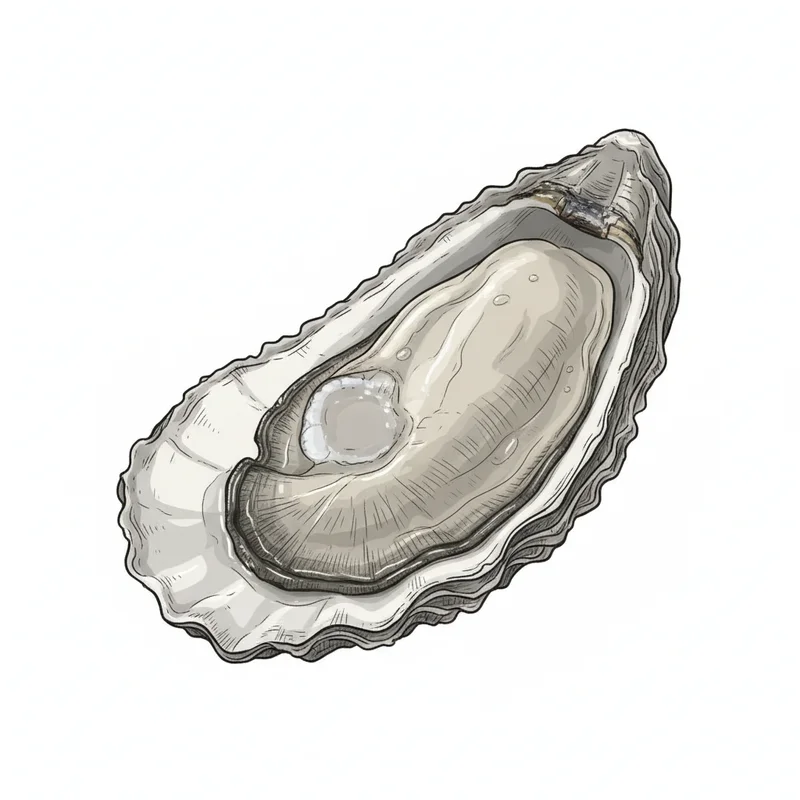
Bodega Bay Atlantic Oysters
Crassostrea virginica
Atlantic oysters grown in Bodega Bay, California. Known for robust, gnarly shells and intensely briny, metallic flavor with a creamy texture and sweet finish. A bold West Coast take on the Eastern species.
At a Glance
Bodega Bay Atlantic is an Eastern oyster (Crassostrea virginica) from the US West Coast. It is notably briny (4/5 brininess) and moderately sweet (3/5 sweetness), with briny, metallic, sweet flavors and a finish that is strong, briny, sweet aftertaste.
More oysters like Bodega Bay Atlantic
Flavor Profile
Finish
Strong, briny, sweet aftertaste
Expert Notes
Bodega Bay Atlantic oysters represent a unique West Coast cultivation of the Eastern oyster species, thriving in the cold, mineral-rich waters of California's Bodega Bay. These oysters showcase a robust, intensely briny character with distinctive metallic notes that reflect their coastal Pacific terroir. The firm meat delivers a powerful salty punch balanced by underlying sweetness and creaminess, creating a complex flavor profile that bridges East and West Coast oyster traditions. Origin & Characteristics
- Species
- Crassostrea virginica
- Native to
- USA
- Grown in
- Bodega Bay, California
- Size
- Medium (2.5-3.5 inches)
- Shell Color
- Gnarly, robust gray-white
- Meat Color
- Cream to light gray
About the Farm
Bodega Bay Oyster Company
Est. 1985Bodega Bay Oyster Company has been family owned since 1985. Martin Strain, who started out as Point Reyes Oyster Co., farms 92 acres in Tomales Bay and Bodega Bay with his children Whittaker and Lindsey. Atlantic oysters are one of five oysters on its list, beside Miyagi, Kumamoto, Olympia and European flats.
- Cultivation Method
- longline
History & Background
Atlantic oysters (Crassostrea virginica) were introduced to the West Coast after the transcontinental railroad opened in 1869, as they were larger and more desirable than native Olympia oysters. The Bodega Bay Atlantic represents a rare cultivation of this Eastern species in California's Tomales Bay.
These are rare Atlantic oysters grown in Pacific waters, representing an unusual cross-coastal cultivation approach in Northern California's prime oyster-growing region.
Did You Know?
- Rare variety - Atlantic oysters are uncommon in Pacific waters
- Grown in bags attached to longlines in Tomales Bay
- Sister company to venerable Point Reyes Oyster Company
Sources & References
This information was compiled from 6 sources.
- Bodega Bay Atlantic Oyster - Oysterater — Oysterater.com
- Bodega Bay Oyster Co. grows tide-to-table shellfish — Press Democrat
- Olympian Dreams — Alta Online
- Bodega Bay Oyster Co. - Travel Agent Apparel — Travel Agent Apparel
- About Us - Bodega Bay Oyster Company — Bodega Bay Oyster Company
- Our Shellfish - Bodega Bay Oyster Company — Bodega Bay Oyster Company
Similar Oysters
Copps Island
US East CoastA bold Long Island Sound oyster from Connecticut's historic Copps Island Oysters farm. Large and strong with heavy shells, delivering an intensely briny and metallic flavor with sweet undertones. Cultivated using traditional methods for over 150 years.
Totten Virginica
US West CoastAn unlikely Pacific Coast triumph of the Eastern oyster. Thriving exclusively in Washington's famed Totten Inlet, these plump, firm oysters deliver bold briny intensity, rich buttery flavor, and a sweet finish that earned them Best Flavor at the East Coast Shellfish Growers competition.
Cotuit
US East CoastAmerica's oldest oyster brand since 1857. Rich, complex, with strong mineral brine balanced by sweet notes and a lingering slate finish.
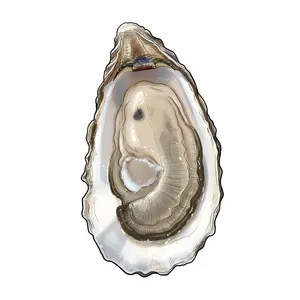
Plymouth Rock
US East CoastIntertidally cultured Eastern oyster from historic Duxbury and Plymouth Bay, Massachusetts. Briny and mineral-rich with balanced sweetness and a crisp, clean finish. Firm yet delicate texture.
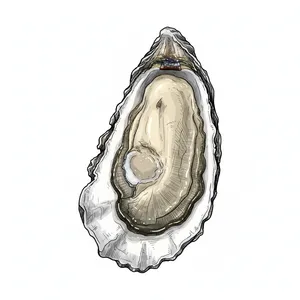
Riptide
US East CoastGrown in the tidal Westport River estuary near Buzzards Bay, Massachusetts. Bold and briny with sweet undertones and a strong earthy mineral finish. Hearty, robust meats shaped by dynamic currents.
Common questions
What do Bodega Bay Atlantic oysters taste like?
Bodega Bay Atlantic oysters are notably briny (4/5 brininess) and moderately sweet (3/5 sweetness), with briny, metallic, and sweet primary flavors and secondary notes described as firm, robust, creamy, and clean. The finish is strong, briny, sweet aftertaste.
Where are Bodega Bay Atlantic oysters from?
Bodega Bay Atlantic oysters come from Bodega Bay, California, on the US West Coast. The species is Crassostrea virginica (Eastern oyster).
What oysters are similar to Bodega Bay Atlantic?
Based on our flavor ratings, origin and species, oysters similar to Bodega Bay Atlantic include Copps Island, Totten Virginica, and Cotuit.
What goes well with Bodega Bay Atlantic oysters?
Our guide pairs Bodega Bay Atlantic oysters with Muscadet, Champagne, Pilsner, and Sauvignon Blanc.
Learn More
The Big Five: A Complete Guide to Commercial Oyster Species
Comprehensive guide to C. virginica (Atlantic), C. gigas (Pacific), C. sikamea (Kumamoto), O. lurida (Olympia), and O. edulis (European Flat)
Read article → Biology & SpeciesThe Atlantic Oyster (C. virginica): From Maritime Brine to Gulf Sweetness
Deep dive into America's indigenous East Coast oyster - flavor profiles, regional variations, and famous varieties
Read article → Merroir & EnvironmentWhat Is Merroir? How Water Shapes Oyster Flavor
Merroir is the marine version of terroir: how salinity, temperature, tides, and plankton in the growing water shape an oyster's flavor. The science, plus how to taste it.
Read article →