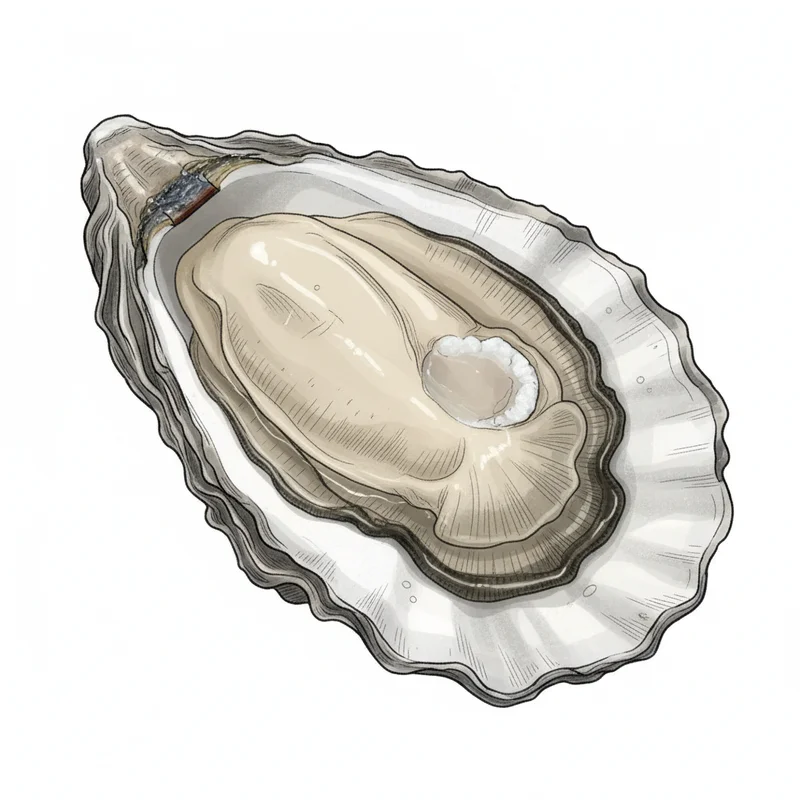
Sanctuary
Crassostrea gigas
A Pacific oyster from Laguna San Ignacio in Baja California Sur, grown off the bottom by Sol Azul inside the El Vizcaíno Biosphere Reserve. Briny first, then cucumber sweetness and some creaminess, with firm, plump meat.
At a Glance
Sanctuary is a Pacific oyster (Crassostrea gigas) from Baja California, Mexico. It is notably briny (4/5 brininess) and moderately sweet (3/5 sweetness), with briny, sweet, cucumber flavors and a finish that is cucumber sweetness after a briny start.
Flavor Profile
Finish
Cucumber sweetness after a briny start
Expert Notes
Sanctuary oysters come from Laguna San Ignacio, a remote lagoon on the Pacific coast of Baja California Sur that lies inside the El Vizcaíno Biosphere Reserve and is a nursery for migrating gray whales, which is where the brand's Raised by Whales line comes from. The grower is Sol Azul, which has farmed there since 1993 and raises only two oysters, Pacifics and Kumamotos. The Pacifics grow off the bottom on French-designed gear set above the seabed, so the tidal current feeds and cleans them. The farm describes a mix of cucumber sweetness, salt, creaminess and tang, led by a wave of brine it attributes to the lagoon's salinity. Santa Monica Seafood, which distributes them, calls them full flavored with firm, plump meats. The farm is certified by the Aquaculture Stewardship Council. Origin & Characteristics
- Species
- Crassostrea gigas
- Native to
- Japan
- Grown in
- Laguna San Ignacio, Baja California Sur, Mexico
- Size
- Medium (no measurement published)
- Shell Color
- Gray-white
- Meat Color
- Cream to ivory
Where to Try It
San Francisco
- Mission Street Oyster Bar Mission District
On these menus when we checked on October 1, 2026. Raw-bar lists change daily.
What Tasters Say
Across 4 sources, tasters describe this oyster as:
Unique notes: tanginess, cucumber sweetness
"Our Pacific oysters from the San Ignacio Lagoon are prized for their signature mix of cucumber sweetness, saltiness, creaminess and tanginess."
cucumbersweetbrinycreamy
"Of note is the initial wave of brininess on the palate that reflects the celebrated salinity of this southern Baja lagoon."
briny
"Full flavored oysters with firm and plump meats, Sanctuary Oysters will make a great addition to your menu!"
firmplumpfull-bodied
"For over 20 years, Sanctuary Oysters have been celebrated for their superb quality and impeccable clean taste."
clean
About the Farm
Sol Azul
Est. 1993Sol Azul says its first oyster farm began at Laguna San Ignacio in 1993. Sanctuary is the name its oysters carry in the United States; the Sanctuary site gives a Sol Azul contact address and uses the same descriptions as Sol Azul's own. The company says its founders have French roots and that it employs people from the nearby fishing settlements.
- Cultivation Method
- off-bottom, on French-designed gear above the seabed
- Certifications
- Aquaculture Stewardship Council (ASC), EU certified organic
History & Background
Laguna San Ignacio is at the center of the El Vizcaíno Biosphere Reserve. Sol Azul describes it as critical habitat for Pacific gray whales and a feeding ground for several species of sea turtle. Santa Monica Seafood notes the high salinity of the water and lists the oysters as available year-round.
The brand's slogan is Raised by Whales, after the gray whales that migrate from Alaska to the Baja lagoons. Santa Monica Seafood rates the oysters Green, Best Choice, and the farm says Monterey Bay Aquarium Seafood Watch rates it the same.
Did You Know?
- Sol Azul grows only two oysters in the reserve: Pacifics and Kumamotos
- The farm is certified to the Aquaculture Stewardship Council standard
- Santa Monica Seafood lists them as certified organic under European Union rules
- Sol Azul has a US sales office in Ventura, California
Sources & References
This information was compiled from 4 sources.
- Our Oysters — Sanctuary Oysters
- Oysters, Sanctuary — Santa Monica Seafood
- Sol Azul — Sol Azul
- The History of Sanctuary Oysters | Who We Are — Sanctuary Oysters
Similar Oysters
Beach Angel
Canada West CoastBeach-grown Pacific oyster from Cortes Island, BC. Firm and sweet with robust briny flavor, featuring distinctive notes of cucumber, grass, and melon rind. Crisp and ocean-fresh.
Fanny Bay
Canada West CoastThe archetypal BC oyster. Smooth and balanced with sweet, buttery notes and a signature crisp cucumber finish.
Kumiai
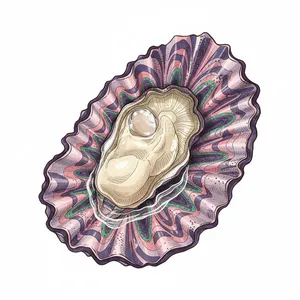
Baja California, MexicoA Pacific oyster from Mexico's Baja California peninsula, grown on racks at Guerrero Negro and then held for two weeks in cold open water off Ensenada. Crisp and briny up front, with cucumber and seaweed notes and a long sweet finish.
Imperial Eagle Channel
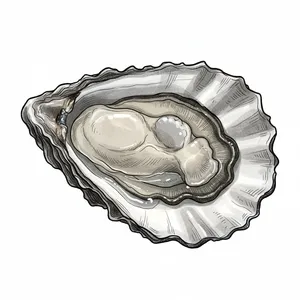
Canada West CoastBeach-cultured Pacific oyster from Barkley Sound on Vancouver Island's wild west coast. Deep-cupped and plump with high brininess balanced by natural sweetness, finishing with distinctive cucumber and watermelon-rind notes.
Komo Gway
Canada West CoastBeach-grown Pacific oyster from Baynes Sound on Vancouver Island. Clean, briny flavor with firm texture, subtle cucumber notes, and a slightly sweet finish. Harvested from the traditional territory of the K'ómoks First Nation.
Learn More
The Big Five: A Complete Guide to Commercial Oyster Species
Comprehensive guide to C. virginica (Atlantic), C. gigas (Pacific), C. sikamea (Kumamoto), O. lurida (Olympia), and O. edulis (European Flat)
Read article → Biology & SpeciesThe Pacific Oyster (C. gigas): Cream, Cucumber, and the Japanese Legacy
Understanding one of the world's most widely farmed oysters - from Japanese origins to West Coast dominance
Read article → Merroir & EnvironmentWhat Is Merroir? How Water Shapes Oyster Flavor
Merroir is the marine version of terroir: how salinity, temperature, tides, and plankton in the growing water shape an oyster's flavor. The science, plus how to taste it.
Read article →