Master the Art of
Oyster Tasting
A guide to 336 oyster varieties: how each one tastes, where it grows, and when it is at its best. Look up the oyster on your menu.
- oyster profiles
- 336
- guides
- 55
- comparisons
- 28
Best oysters in October
Oysters change with the water temperature. These are eating well this season, starting with the ones readers look up most.
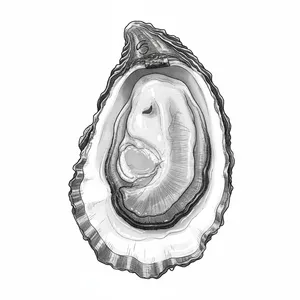
Gillardeau
FranceThe luxury standard. Exceptionally plump and creamy with intense minerality, sweet nuttiness, and refined balance from France's legendary fourth-generation oyster dynasty.
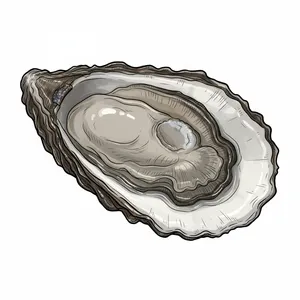
Blue Point
US East CoastThe classic Atlantic oyster. Crisp, briny, with mineral notes and a sharp, clean finish.
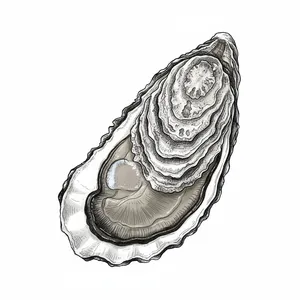
Island Creek
US East CoastThe flagship of New England oysters. Briny and buttery with firm meat, vegetal richness, and a distinctive lobster-stock finish.
Oysters to Know
The varieties readers search for most, from French classics to New England staples.
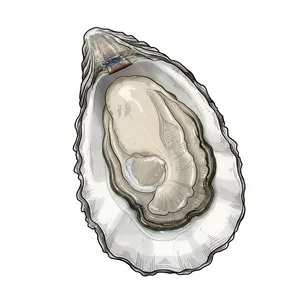
Royal Miyagi
US West CoastA rare Pacific Northwest oyster with distinctive sweet creaminess and unique kiwi-like finish. Cultivated on suspended lines then beach-finished for exceptional smoothness and plump texture.
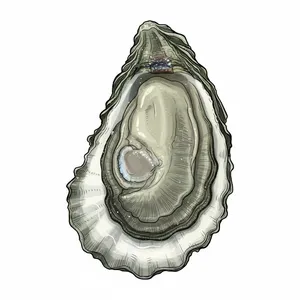
Fine de Claire
FranceFrance's distinguished standard. Finished in salt ponds for sweet, fruity notes with a buttery texture and precise, briny finish.
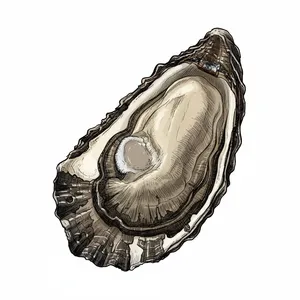
Wellfleet
US East CoastCape Cod classic. High brine, clean finish, with subtle sweetness.
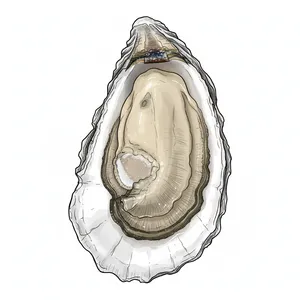
Great White
US East CoastCape Cod's flagship oyster from Barnstable Harbor. Large with thick shells and dense, savory meats. Distinctively briny and mineral-forward with a powerful ocean taste shaped by twice-daily tidal flows.
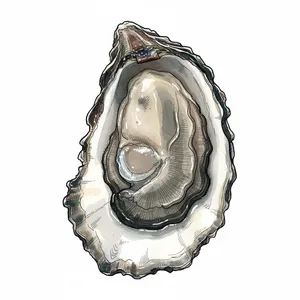
Miyagi
US West CoastA Pacific Northwest favorite with Japanese heritage. Full-bodied and meaty with a crisp, nutty flavor, mild brine, and balanced fruit and vegetal notes.
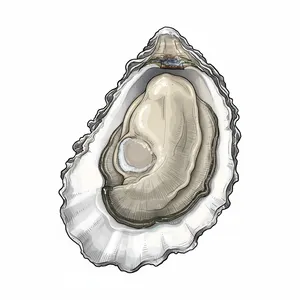
Fat Bastard
US West CoastThe largest of Taylor Shellfish's tide-tumbled Pacific oysters from Washington State. Bold, briny, and savory with a sweet finish, plump texture, and deep cups filled with generous liquor.
Questions, Answered
- Raw vs Cooked Oysters: Flavor, Texture, Safety, and When to Cook Weighing raw against cooked oysters - flavor, texture, safety, and nutrition - and when cooking is the smarter choice
- When Is Oyster Season? Months Oysters Are in Season by Region Oyster season runs roughly September through April in the US. Month-by-region calendar, wild harvest dates by state, and why farmed oysters are available year-round.
- Oyster Shells: What They're Made Of, Uses & How to Recycle Them What oyster shells are made of (over 90% calcium carbonate) and the best ways to use them: garden soil, chicken feed, driveways, and reef restoration recycling.
- Oyster Grades and Sizes: Cocktail, Select, Standard, and Counts Explained What oyster size terms and grades mean - cocktail, select, standard, counts - and how they affect what you order
- The Pea Crab: That Tiny Crab in Your Oyster Is a Delicacy Explaining the tiny kleptoparasite said to have been George Washington's favorite snack
- How to Eat Oysters: Raw Bar Etiquette and Technique for Beginners A beginner's guide to eating raw oysters - how to hold the shell, the liquor, whether to chew, condiments, and pacing