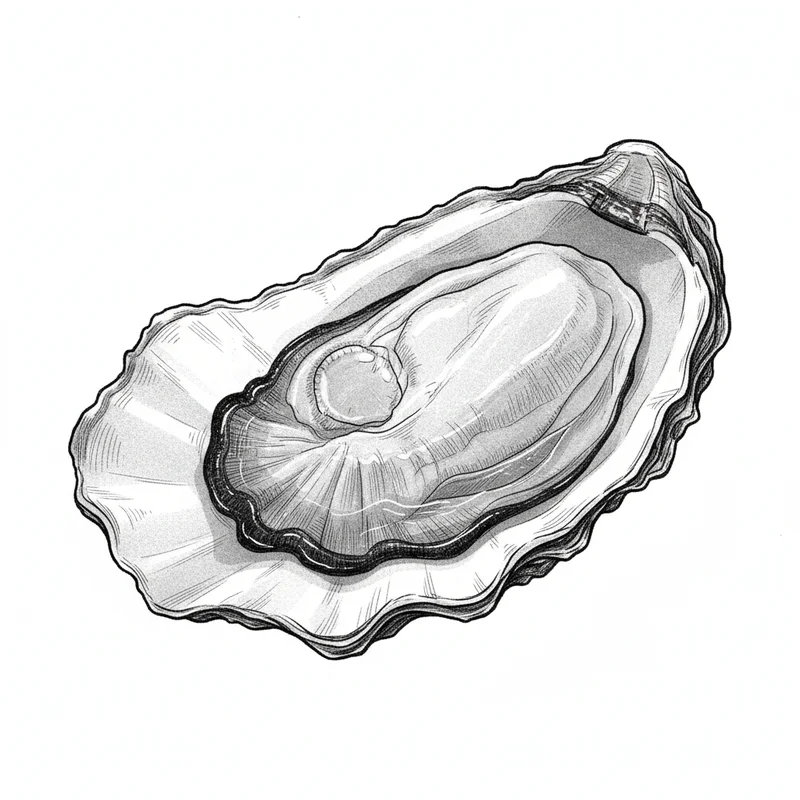
Royal Miyagi
Crassostrea gigas
A rare Pacific Northwest oyster with distinctive sweet creaminess and unique kiwi-like finish. Cultivated on suspended lines then beach-finished for exceptional smoothness and plump texture.
At a Glance
Royal Miyagi is a Pacific oyster (Crassostrea gigas) from the US West Coast. It is mildly briny (2/5 brininess) and distinctly sweet (4/5 sweetness), with sweet, creamy flavors and a finish that is kiwi-like with minerally crispness. It is considered a beginner-friendly oyster.
Flavor Profile
Finish
Kiwi-like with minerally crispness
Expert Notes
Royal Miyagi oysters are cultivated using a unique two-year suspended line culture method before being finished on the beach to thicken shells and enhance meat quality. They open with a light, savory brininess that quickly transitions into a distinctively sweet, creamy body with smooth, plump texture. The finish is truly unique—fruity and kiwi-like with a minerally crispness that sets them apart from other Pacific oysters. Their smooth texture and delicate character make them highly sought-after, though limited weekly harvests make them one of the hardest Pacific oysters to source. Origin & Characteristics
- Species
- Crassostrea gigas
- Native to
- Japan
- Grown in
- Hood Canal, Washington, Vancouver Island, British Columbia, Baynes Sound, British Columbia
- Size
- Medium (3-4 inches)
- Shell Color
- Smooth, light gray to white
- Meat Color
- Ivory
Where to Try It
Chicago
- Chicago Oyster House South Loop
- Hugo's Frog Bar & Fish House Gold Coast
On these menus when we checked on October 1, 2026. Raw-bar lists change daily.
New York City
- Crave Fishbar Midtown East
On these menus when we checked on September 30, 2026. Raw-bar lists change daily.
San Francisco
- Mission Street Oyster Bar Mission District
On these menus when we checked on October 1, 2026. Raw-bar lists change daily.
What Tasters Say
Across 11 sources, tasters describe this oyster as:
Unique notes: white sugar sweetness, earthy organic undertones, minerally-like crispness, melon notes
"The Royal Miyagi starts off with a light brininess on the nose, transitions into a sweet creaminess on the body, and then finishes with a kiwi-like flavor and a minerally-like crispness. The meat is ivory in color, the texture is smooth, creamy and plump."
brinysweetcreamykiwimineral
"White sugar sweetness with a light brine finish and earthy organic undertones."
sweetbrinyearthyorganic
"They offer a soft, sweet brine accompanied by melon notes and a buttery finish. Their soft sweetness makes them perfect for raw service with minimal garnish."
sweetbrinymelonbutterysoft
"Smooth textured, mild flavour with a clean kiwi-like aftertaste."
smoothmildcleankiwi
"Good Pacific oyster but I wonder if the far travel from British Columbia to PA took them down a notch. No need for any lemon or mignonette–mild and not salty. May be a good selection to introduce a newbie."
mildnot saltyclean
"Good size, very plump! Sweet meat with a metallic finish."
sweetplumpmetallic
"These oysters come from B.C.'s Sunshine Coast. They are first raised suspended on lines in the ocean and later moved to the beach, which toughens their shells and firms up their meat."
firm
"They have a smooth, textured inside, with a kiwi-like finish."
smoothkiwi
"These tasted like a typical West Coast oyster. There's a hint of melon taste. There's also a little bit of brine, and there's not much sweetness to it."
melonmild brinelow sweetness
"The size is quite tiny and flat. It has a smooth texture with briny, savory finish."
smoothbrinysavory finish
"I found these Royal Miyagi to be relatively briny, having a clean, salty, oceanic taste."
brinycleansaltyoceanic
"These oysters were slightly sweet, reminding me of melon, and had a crisp finish to them."
slightly sweetmeloncrisp finish
About the Farm
Sunshine Coast, British Columbia farms
Royal Miyagi oysters are cultivated in the secluded waters of the Sunshine Coast and Baynes Sound region of British Columbia. Originally rooted in Japanese oyster-farming heritage, these oysters are now primarily grown in the Pacific Northwest.
- Cultivation Method
- suspended culture
- Certifications
- Ocean Wise, Best Choice - Monterey Bay Aquarium Seafood Watch
History & Background
The name comes from the Miyagi prefecture in Japan which is the country's largest oyster producer. The variety was developed using Japanese oyster-farming heritage and techniques, adapted to Pacific Northwest waters.
Among the most coveted oysters in the modern raw-bar world, Royal Miyagi oysters are prized for their petite size, deep cups and layered flavor profile. A limited number are harvested weekly making this one of the hardest oysters to source from Canada.
Did You Know?
- Royal Miyagi oysters are easily recognized by their white, purple, and black shell with fluted edges
- They are cultivated on suspended lines then finished on the beach to thicken up the shells and fatten up the oyster
- The shells may contain grit or sand from the beach finishing process
Sources & References
This information was compiled from 11 sources.
- Royal Miyagi Oysters - Live — Big Alaska Seafood
- Royal Miyagi & Royal Oyster Bar Guide — Sherwood Island Oysters
- Royal Miyagi — Penn Cove Shellfish
- An Expert's Guide to Canadian Live Oysters — Intercity Packers
- Royal Miyagi — Oysterater
- Oysters - B.C. Royal Miyagi — Daily Seafood
- The Oysters of the Pacific Northwest — The Oyster Bar
- Ask Eric: It's easy to get hooked on fresh oysters — Times Colonist
- Royal Miyagi Oysters? #seafood #oysters #westcoast — YouTube
- What to eat in White Rock? | Oysters, Seafood, Burger, and Salad | Eat with Oscar — YouTube
- Enjoying Royal Miyagi Oysters at Pritchard Beach, Seattle, WA. #shorts #oyster #beach #seafood — YouTube
Similar Oysters
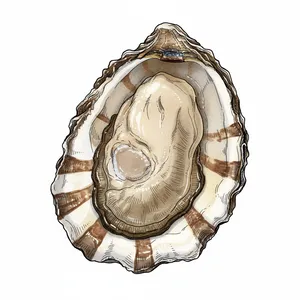
Chelsea Gem
US West CoastThe original tide-tumbled oyster from Eld Inlet's pristine waters. Deep-cupped with plump meats, mild brininess, silky creamy texture, and a signature sweet cucumber finish. A true Pacific Northwest gem.
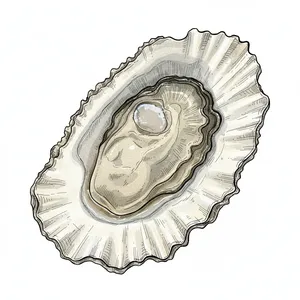
Calm Cove
US West CoastBeach-grown Pacific oyster from Washington's Totten Inlet and Hood Canal. Sweet and creamy with balanced brininess and a clean mineral finish. Cultivated by the Fagergren Family since 1946 in the nutrient-rich waters of South Puget Sound.
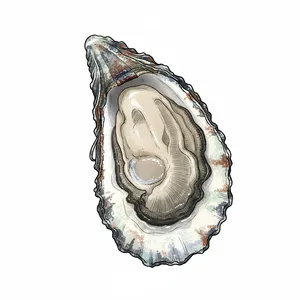
Little Skookum
US West CoastA sweet, musky Pacific oyster from Little Skookum Inlet in South Puget Sound. Deep-cupped with plump, buttery meat, mild brininess, and distinctive melon-scented sweetness with a clean vegetable finish.
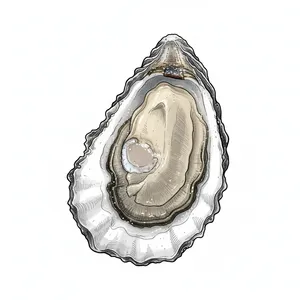
Barron Point
US West CoastHand-sized Pacific oyster from Little Skookum Inlet in southern Puget Sound. Sweet and mildly salty with plump, tender meat and a distinctive musky finish. A well-balanced West Coast favorite.
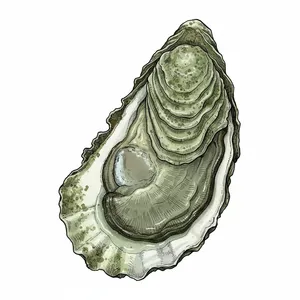
Hama Hama
US West CoastClassic Pacific Northwest oyster with delicately sweet flesh and herbaceous notes. Lichen-green shells with a distinctive watermelon-rind flavor profile.
Learn More
The Big Five: A Complete Guide to Commercial Oyster Species
Comprehensive guide to C. virginica (Atlantic), C. gigas (Pacific), C. sikamea (Kumamoto), O. lurida (Olympia), and O. edulis (European Flat)
Read article → Biology & SpeciesThe Pacific Oyster (C. gigas): Cream, Cucumber, and the Japanese Legacy
Understanding one of the world's most widely farmed oysters - from Japanese origins to West Coast dominance
Read article → Merroir & EnvironmentWhat Is Merroir? How Water Shapes Oyster Flavor
Merroir is the marine version of terroir: how salinity, temperature, tides, and plankton in the growing water shape an oyster's flavor. The science, plus how to taste it.
Read article →