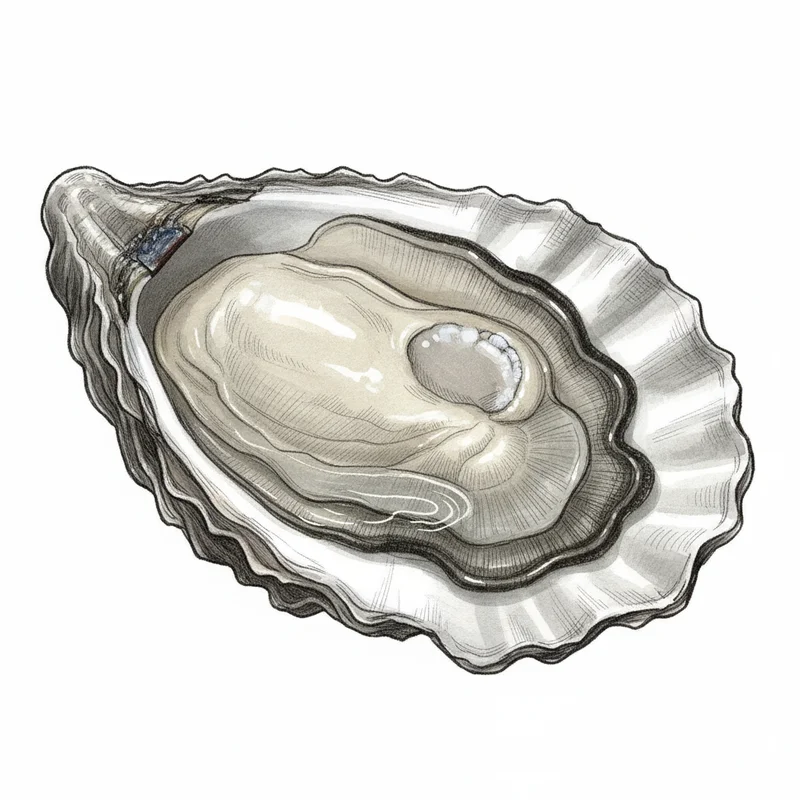
Peale Passage
Crassostrea gigas
A beach-finished Pacific oyster from the strait between Harstine and Squaxin Islands in South Puget Sound, Washington. Firm, creamy meat with mild brine and a cucumber finish.
At a Glance
Peale Passage is a Pacific oyster (Crassostrea gigas) from the US West Coast. It is mildly briny (2/5 brininess) and subtly sweet (2/5 sweetness), with mild brine, cucumber, creamy flavors and a finish that is mild, with cucumber. It is considered a beginner-friendly oyster.
Flavor Profile
Finish
Mild, with cucumber
Expert Notes
Peale Passage is the strait between Harstine Island and Squaxin Island in South Puget Sound, and the oyster named for it is a beach-finished Pacific. Buena Vista Seafood, a San Francisco wholesaler, lists it as grown bag to beach on the Harstine side, sold at up to three inches from September through July, with firm meat, mild brininess and cucumber at the finish: in its words, a classic Pacific oyster. A 2011 tasting note from the blog In A Half Shell found it exceptionally creamy with a metallic, soybean flavor. Who grows it is less clear. Buena Vista credits the Quileute Tribe. Salish Seafoods, the Squaxin Island Tribe's shellfish company, says it offers oysters from the beaches of Peale Passage, and Squaxin Island, the tribe's reservation, forms one side of the strait. We could not settle which is right, so the profile names no single grower. Origin & Characteristics
- Species
- Crassostrea gigas
- Native to
- Japan
- Grown in
- Peale Passage, between Harstine and Squaxin Islands, South Puget Sound, Washington
- Size
- Small to Medium (up to 3 inches)
- Shell Color
- Gray-white
- Meat Color
- Cream to light gray
Where to Try It
New York City
- Maison Premiere Williamsburg, Brooklyn
On these menus when we checked on September 30, 2026. Raw-bar lists change daily.
San Francisco
- Leo's Oyster Bar Financial District
On these menus when we checked on October 1, 2026. Raw-bar lists change daily.
Seattle
- Elliott's Oyster House Waterfront
On these menus when we checked on October 1, 2026. Raw-bar lists change daily.
What Tasters Say
Across 5 sources, tasters describe this oyster as:
Unique notes: metallic soybean, classic Pacific oyster
"Firm meat with mild brininess; cucumber notes at finish - a classic Pacific oyster"
firmmild brinecucumber
"They were exceptionally creamy, with metallic soybean flavor."
creamymetallic
History & Background
Buena Vista Seafood says the oyster is cultivated bag to beach by the Quileute Tribe and supports the Quileute Natural Resources shellfish program. Salish Seafoods, an enterprise of the Squaxin Island Tribe, describes its oysters as coming from the beaches of Peale Passage. The two statements may describe different farms, or one may be mistaken; we found nothing that settles it. Peale Passage lies entirely within Mason County, Washington, and separates Harstine Island from Squaxin Island, which is the uninhabited reservation of the Squaxin Island Tribe. Buena Vista Seafood gives the location as the west coast of Harstine Island.
The oyster turns up on menus well beyond Washington: Elliott's Oyster House in Seattle, Leo's Oyster Bar in San Francisco and Maison Premiere in New York all list it. Maison Premiere prints the origin as Pickering Passage.
Did You Know?
- Buena Vista Seafood lists the season as September through July
- Sold at up to three inches
- Salish Seafoods says its Peale Passage oysters won the Pacific Coast Shellfish Growers Association's Most Beautiful Oyster award in 2002
- The strait was named during the Wilkes Expedition
Sources & References
This information was compiled from 5 sources.
- Shellfish — Buena Vista Seafood
- A Week in the Life of an Oysterholic — In A Half Shell
- Salish Seafoods — Shelton-Mason County Chamber of Commerce
- Salish Seafoods — Salish Seafoods
- Peale Passage — Wikipedia
Similar Oysters
Chelsea Gem
US West CoastThe original tide-tumbled oyster from Eld Inlet's pristine waters. Deep-cupped with plump meats, mild brininess, silky creamy texture, and a signature sweet cucumber finish. A true Pacific Northwest gem.
Hammersley Inlet
US West CoastBeach-grown Pacific oyster from South Puget Sound's Hammersley Inlet. Plump and sweet with mild saltiness, rich body, and a distinctive cucumber-melon finish. Grown in nutrient-dense waters for excellent meat-to-shell ratio.
Hawk's Point
US West CoastA large Pacific oyster from pristine Willapa Bay, Washington. Rack and bag cultivated with mild brininess, delicate floral notes, and a crisp citrus finish. Substantial, meaty texture with a clean aftertaste.
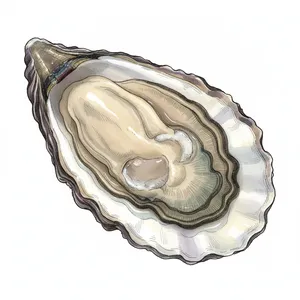
Oishi
US West CoastA small, tide-tumbled Pacific oyster from Skagit Bay, Washington. Low in salt, plump for its size, and finished with a clean, lingering cucumber note. The same farm sells its larger grades as Ichiban and Tubby.
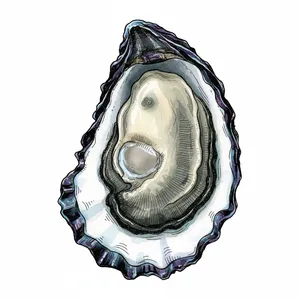
Tomales Bay
US West CoastThe definitive California oyster with stunning black and purple shells. Intensely briny with cucumber notes and a rich, buttery finish.
Learn More
The Big Five: A Complete Guide to Commercial Oyster Species
Comprehensive guide to C. virginica (Atlantic), C. gigas (Pacific), C. sikamea (Kumamoto), O. lurida (Olympia), and O. edulis (European Flat)
Read article → Biology & SpeciesThe Pacific Oyster (C. gigas): Cream, Cucumber, and the Japanese Legacy
Understanding one of the world's most widely farmed oysters - from Japanese origins to West Coast dominance
Read article → Merroir & EnvironmentWhat Is Merroir? How Water Shapes Oyster Flavor
Merroir is the marine version of terroir: how salinity, temperature, tides, and plankton in the growing water shape an oyster's flavor. The science, plus how to taste it.
Read article →