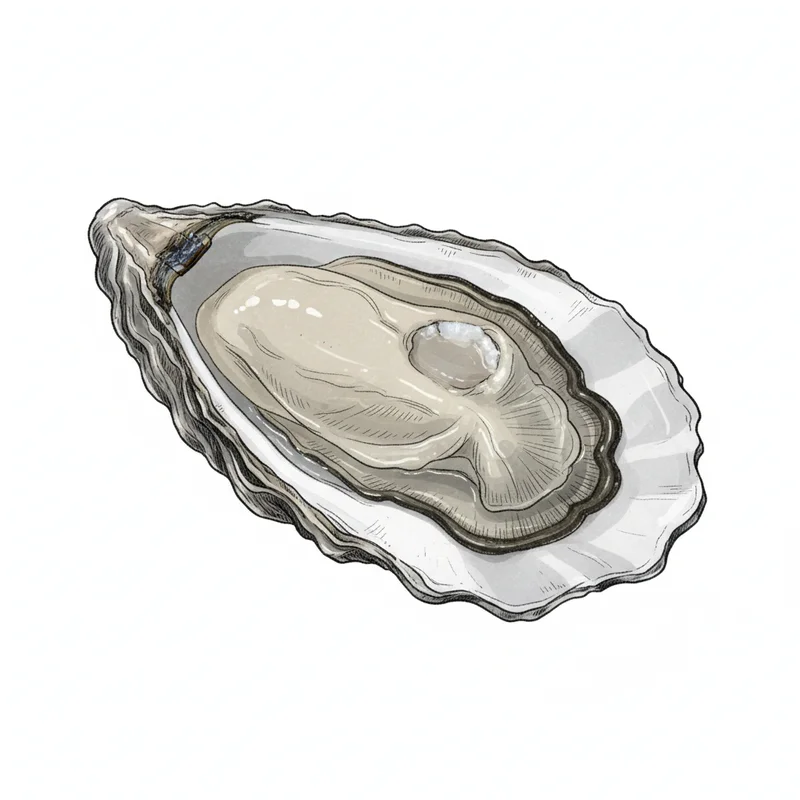
Pink Moon
Crassostrea virginica
A petite, polished PEI oyster from Raspberry Point Oyster Co., grown slowly in floating cages in New London Bay. Salty up front, clean through the middle, and gently sweet at the finish.
At a Glance
Pink Moon is an Eastern oyster (Crassostrea virginica) from the Canada East Coast. It is notably briny (4/5 brininess) and moderately sweet (3/5 sweetness), with briny, clean, sweet flavors and a finish that is clean and gently sweet, with a mineral edge. It is considered a beginner-friendly oyster.
Flavor Profile
Finish
Clean and gently sweet, with a mineral edge
Expert Notes
Pink Moon is Raspberry Point Oyster Co.'s cocktail-size oyster from New London Bay on Prince Edward Island's north shore. It grows in floating cages in some of the most northerly oyster water in North America, so it takes four to six years to reach 2.5 to 3 inches, and the cold gives it a hard, tidy shell. Distributors agree on the shape of the flavor: salt first, a clean middle, then a light sweetness with a mineral note at the end. Oysterater sums it up as a Malpeque with polish. Origin & Characteristics
- Species
- Crassostrea virginica
- Native to
- Canada
- Grown in
- New London Bay, Prince Edward Island
- Size
- Small (2.5-3 inches)
- Shell Color
- Polished gray-white
- Meat Color
- Ivory to light gray
Where to Try It
New York City
- Crave Fishbar Midtown East
- Maison Premiere Williamsburg, Brooklyn
On these menus when we checked on September 30, 2026. Raw-bar lists change daily.
What Tasters Say
Across 6 sources, tasters describe this oyster as:
Unique notes: creamy, polished
"A perfect balance of salt, creaminess, and a pleasant mineral finish."
saltycreamymineralbalanced
"Pink Moon is petite and offers a perfect kiss of salt and mineral with a delicately sweet finish."
saltymineralsweetpetite
"They are cocktail size (2½ -3 inches) oysters that have a wonderful salty taste, clean flavor and a sweet finish."
saltycleansweet
"Nicely manicured oysters grown in floating cages in PEI’s spectacular New London Bay on the wild north side. Like a Malpeque with polish."
brinypolished
"Perfectly delicious. Small, clean, like the sea."
cleansmalloceanic
"Deliciously clean and crisp, like eating the essence of the ocean!"
cleancrispoceanic
About the Farm
Raspberry Point Oyster Company
Est. 1992Raspberry Point has grown oysters on Prince Edward Island since 1992 and sells several branded oysters, Pink Moon among them. Its leases are among the most northerly oyster stocks in North America, which is why its oysters take four to six years to reach market size.
- Cultivation Method
- suspended culture (floating cages)
History & Background
Pink Moon comes from New London Bay on the north shore of Prince Edward Island, where the Hope River feeds the bay and two daily tides of about three feet move water over a sandy, eelgrass bottom. The oysters are held near the surface in buoyant cages rather than on the bottom.
Pink Moon is sold as a cocktail oyster. Distributors in the United States and Canada list it at 2.5 to 3 inches, and Pangea Shellfish suggests sparkling rosé with it.
Did You Know?
- Pink Moons take four to six years to reach market size because the water is so cold
- They are grown in floating cages near the surface of New London Bay
- Seacore Seafood lists them as Ocean Wise Recommended and available all year except when severe winter weather stops the harvest
- Oysterater describes them as "like a Malpeque with polish"
Sources & References
This information was compiled from 6 sources.
- Pink Moon Oyster — Pangea Shellfish Oysterology
- Pink Moon — Real Oyster Cult
- Pink Moon Oyster — Oysterater
- Pink Moon — Fortune Fish & Gourmet
- Pink Moon Oysters — Seacore Seafood
- Raspberry Point Oysters — Raspberry Point
Similar Oysters
Tresor Du Large
Canada East CoastRaised in deepwater offshore cages around Les Îles-de-la-Madeleine, Quebec. Intensely briny with a sweet, subtle finish. Firm, meaty, and exceptionally clean with consistent quality.
Little Shemogue
Canada East CoastA premium cultured oyster from Southeast New Brunswick's Tormentine Peninsula. Small and plump with medium-high brininess, mineral richness, and a clean, sweet finish. Fresh biscuit aroma makes it an ideal starter oyster.
French Kiss
Canada East CoastA larger, mature Beausoleil from Miramichi Bay, New Brunswick. Full and plump with sharp brininess, clean taste, and a sweet finish. Hand-packed with exceptional attention to detail.
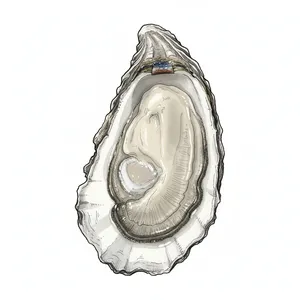
Gooseberry Bay
Canada East CoastFarm-raised in floating bags in Malpeque Bay, Prince Edward Island. Briny with sweet, nutty astringency, firm plump meats, and abundant rich liquor from the nutrient-rich Cape Shore waters.
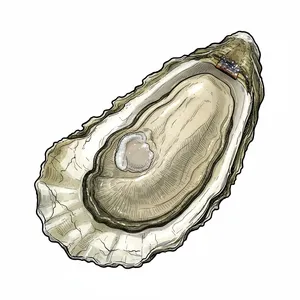
Hurricane Island
Canada East CoastHand-harvested from the cold, clean waters of Nova Scotia's Northumberland Strait. Small to medium oysters with intense brininess, firm crisp texture, and a notably sweet finish.
Learn More
The Big Five: A Complete Guide to Commercial Oyster Species
Comprehensive guide to C. virginica (Atlantic), C. gigas (Pacific), C. sikamea (Kumamoto), O. lurida (Olympia), and O. edulis (European Flat)
Read article → Biology & SpeciesThe Atlantic Oyster (C. virginica): From Maritime Brine to Gulf Sweetness
Deep dive into America's indigenous East Coast oyster - flavor profiles, regional variations, and famous varieties
Read article → Merroir & EnvironmentWhat Is Merroir? How Water Shapes Oyster Flavor
Merroir is the marine version of terroir: how salinity, temperature, tides, and plankton in the growing water shape an oyster's flavor. The science, plus how to taste it.
Read article →