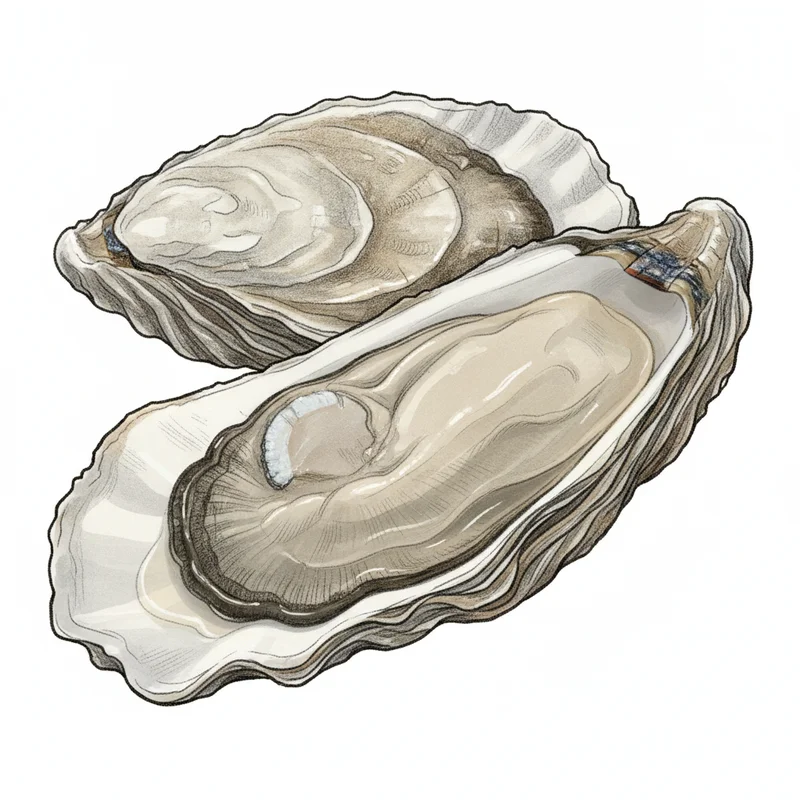
Johns River
Crassostrea virginica
A large, bottom-planted Maine oyster from the Johns River estuary in South Bristol, hand-harvested by divers year-round. Briny and unusually fruity, with a sweet, creamy middle, a savory depth and a clean finish.
At a Glance
Johns River is an Eastern oyster (Crassostrea virginica) from the US East Coast. It is notably briny (4/5 brininess) and distinctly sweet (4/5 sweetness), with briny, sweet, fruity flavors and a finish that is clean, after a sweet, creamy middle.
Flavor Profile
Finish
Clean, after a sweet, creamy middle
Expert Notes
Johns River oysters are grown by Dave Cheney, a former lobsterman who started Johns River Oyster in 2007. Seed begins each June at two millimeters in his nursery in Great Salt Bay, at the top of the Damariscotta River, and is then relayed 18 miles downriver to the Johns River estuary in South Bristol, near Pemaquid Point. The oysters grow in cages in summer; the ones sold as Johns River are planted on the bottom for two more years or longer and picked by divers, right through the winter. Slow growth on the bottom gives a big oyster with a deep cup and a very strong shell. Rowan Jacobsen found intense fruitiness, sweetness and brine all at once, followed by a clammy, mouth-filling umami, and guessed at banana and clove. Cheney puts it more simply: briny to start, sweet and creamy in the middle, clean at the end. He also sells smaller oysters from the same water as Colonial Selects and Colonial Cocktails. Origin & Characteristics
- Species
- Crassostrea virginica
- Native to
- USA
- Grown in
- Johns River, South Bristol, Maine
- Size
- Large (no measurement published)
- Shell Color
- Gray-white to tan
- Meat Color
- Ivory to light gray
Where to Try It
Portland, Maine
- Eventide Oyster Co. Middle Street
On these menus when we checked on October 1, 2026. Raw-bar lists change daily.
What Tasters Say
Across 5 sources, tasters describe this oyster as:
Unique notes: intense fruitiness, clammy umami, banana and clove
"They start briny, delight with a sweet creamy middle and truly finish clean."
brinysweetcreamyclean
"Johns River oysters deliver intense fruitiness, sweetness, and brine all at the same time."
fruitysweetbrinyumami
"Johns River oysters have become known for their wonderful briny taste and sweet creamy finish."
brinysweetcreamy
"Great clean, briny, meaty taste with absolutely clean finish."
cleanbrinymeaty
"Briny with a hint of umami"
brinyumami
About the Farm
Johns River Oyster
Est. 2007Dave Cheney has lobstered, dug clams and grown oysters. Nor'Easter Oyster Company, which shucks and packs his oysters, says he founded Johns River Oyster in 2007 and sits on the Town of Bristol's shellfish committee. The farm starts its oysters at the Blackstone Nursery in Great Salt Bay, Damariscotta, and finishes them in the Johns River.
- Cultivation Method
- cages in summer, then bottom planted and dive harvested
History & Background
The farm relays its oysters 18 miles down the Damariscotta River to the Johns River, which it credits for their taste. Rowan Jacobsen wrote in 2014 that oysters like these need at least 30 months, and that Cheney is one of the few growers in Maine who harvests all year.
Oysterater notes that Cheney sells the same oysters in smaller sizes as Colonial Selects and Colonial Cocktails. Jacobsen wrote that Cheney's cage-grown Damariscotta River oysters have a more traditional light brine, and compared the Johns River flavor to Totten Inlet Virginicas.
Did You Know?
- Hand-harvested by divers through the winter
- Seed is started at two millimeters each June
- Oysterater lists them as large, bottom planted and oceanic in salinity
- Rowan Jacobsen compared the flavor to the banana and clove of wheat beer
Sources & References
This information was compiled from 5 sources.
- Oysters — Johns River Oyster
- Johns River — The Oyster Guide
- Johns River Oyster — Oysterater
- Partner Farm: Johns River Oyster Co — Nor'Easter Oyster Company
- Johns River Maine Oysters (South Bristol, ME) — SoPo Seafood
Similar Oysters
Aunt Dotty
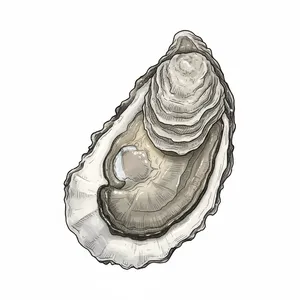
US East CoastA small, tray-grown oyster from Saquish Neck in Duxbury Bay, Massachusetts, from Island Creek Oysters. Intensely salty with a nori-like brine, then a rich, nutty sweetness and dense, toothsome meat.
Boomamoto
US East CoastA petite, very deep-cupped Cape Cod oyster from Cape Cod Oyster Company, shaped like a West Coast Kumamoto but an Eastern oyster in species and taste. Strong brine up front and a sweet finish.
Lady's Island
US East CoastSustainably farmed South Carolina oyster from the Coosaw River. Large, deep-cupped, and plump with a salt-heavy briny start that gives way to a sweet, clean finish. Handcrafted from hatchery to harvest.
Colonial Cocktails
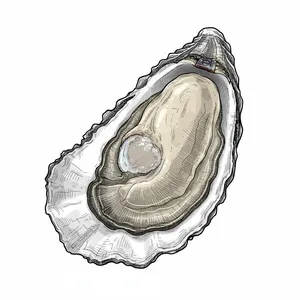
US East CoastExceptional Maine oyster from South Bristol's Johns River. Stupendously sweet and briny with a surprisingly fruity flavor rarely found in East Coast oysters. Grown by Dave Cheney in classic Pemaquid Light territory.
Dennis
US East CoastCape Cod Bay oyster from South Dennis, Massachusetts. Plump meat with high brininess balanced by sweetness. Three years of growth in pristine open ocean waters create a rich, clean, and savory flavor profile.
Learn More
The Big Five: A Complete Guide to Commercial Oyster Species
Comprehensive guide to C. virginica (Atlantic), C. gigas (Pacific), C. sikamea (Kumamoto), O. lurida (Olympia), and O. edulis (European Flat)
Read article → Biology & SpeciesThe Atlantic Oyster (C. virginica): From Maritime Brine to Gulf Sweetness
Deep dive into America's indigenous East Coast oyster - flavor profiles, regional variations, and famous varieties
Read article → Merroir & EnvironmentWhat Is Merroir? How Water Shapes Oyster Flavor
Merroir is the marine version of terroir: how salinity, temperature, tides, and plankton in the growing water shape an oyster's flavor. The science, plus how to taste it.
Read article →