Oyster Resources
Expert guides on oyster biology, flavor science, safety, pairings, history, and regional trails. Everything you need to become a true ostreophile.
Start Here
Our most important guides for understanding oysters at a deeper level.
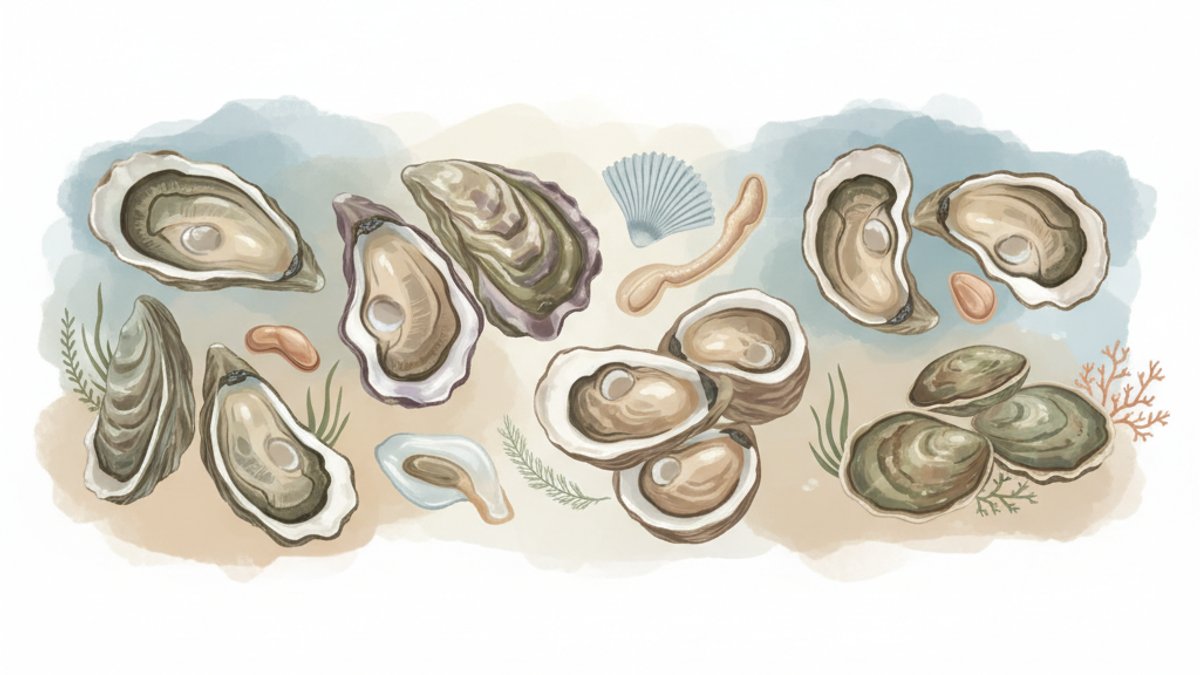
The Big Five: A Complete Guide to Commercial Oyster Species
Comprehensive guide to C. virginica (Atlantic), C. gigas (Pacific), C. sikamea (Kumamoto), O. lurida (Olympia), and O. edulis (European Flat)
What Is Merroir? How Water Shapes Oyster Flavor
Merroir is the marine version of terroir: how salinity, temperature, tides, and plankton in the growing water shape an oyster's flavor. The science, plus how to taste it.
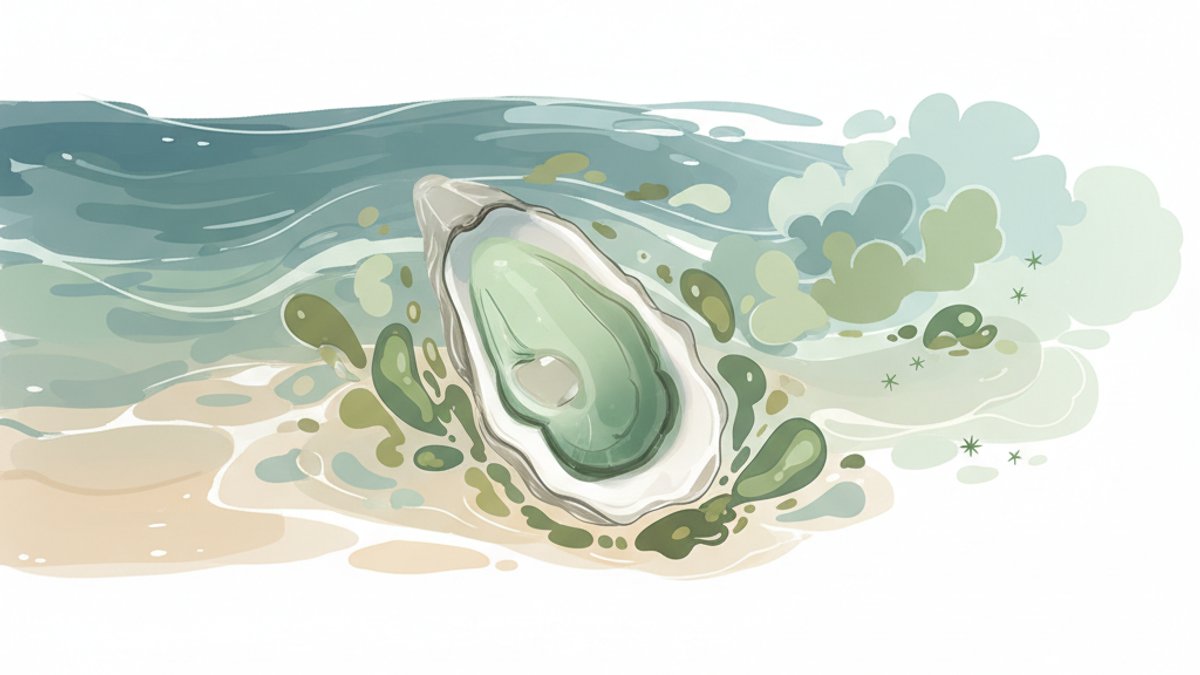
Why Is My Oyster Green? The Fascinating Science of Green-Gilled Oysters
Explaining the Haslea ostrearia diatom, French Fines de Claires Vertes, and North American green gills
The R Month Myth: Should You Only Eat Oysters in Months with an R?
The science behind oyster seasonality, spawning cycles, and why triploids changed everything
All Resource Categories
55 articles across 8 topics
Biology & Species
Understanding oyster species, anatomy, and biological differences
Merroir & Environment
How environment shapes oyster flavor
Practical Guides
Shucking, storage, safety, and handling
Culinary & Pairings
Mignonettes, beverages, and cooked preparations
History & Culture
Historical narratives and cultural significance
Oyster Trails & Tourism
Regional guides and culinary tourism
Oyster Curiosities
Answering unusual questions about oysters
Data & Reference
Original research, datasets, and reference tables on oyster flavor
Biology & Species
Understanding oyster species, anatomy, and biological differences
The Big Five: A Complete Guide to Commercial Oyster Species
Comprehensive guide to C. virginica (Atlantic), C. gigas (Pacific), C. sikamea (Kumamoto), O. lurida (Olympia), and O. edulis (European Flat)
Oyster Nutrition Facts: Are Oysters Good for You? (USDA Data)
Oyster nutrition facts from USDA data: a 3 oz serving has about 50 calories, 32 mg zinc (291% DV), and 13.8 mcg B12 (575% DV). Full nutrient table, health benefits, and the honest risks.
How Do Oysters Reproduce? Spawning, Sex Changes, and the Oyster Life Cycle
Most oysters reproduce by spawning: when the water warms, they release eggs and sperm into it, and a single female can release over 100 million eggs. The larvae drift for two to three weeks, then cement themselves to a hard surface. Many oysters also change sex as they age.
Oyster vs Clam: How They Differ in Biology, Taste, and Nutrition
Oysters and clams are both bivalves, but an oyster cements itself to a hard surface and has no foot, while a clam burrows into sand with a foot and feeds through siphons. Oysters are softer, brinier, and far higher in zinc; clams are firmer and have nearly three times the protein. USDA figures side by side.
Are Smoked Oysters Good for You? Canned Oyster Nutrition, Sodium, and Cautions
Canned and smoked oysters keep most of what makes fresh oysters nutritious: protein, vitamin B12, iron, and a very large amount of zinc. Smoking and packing in oil add fat, calories, and salt, and the zinc is high enough that a tin a day is too much. USDA figures and label data compared.
What Do Oysters Eat? Filter Feeding, Phytoplankton, and Flavor
Oysters eat phytoplankton, the microscopic algae drifting in seawater, which they strain out with their gills. An adult can filter up to 50 gallons of water a day under ideal conditions and much less in the wild. How they feed, what farmed oysters eat, and how diet shapes flavor.
Are Oysters Shellfish? Molluscs, Crustaceans, and Shellfish Allergy
Yes, oysters are shellfish: molluscan shellfish, in the bivalve group with clams, mussels, and scallops, not crustaceans like shrimp and crab. US law treats crustacean shellfish as a major food allergen and does not treat molluscs as one. What allergy organizations say about reacting to both groups, and why the answer for any one person has to come from an allergist.
Oysters vs Mussels: How They Differ in Biology, Taste, and Nutrition
Oysters and mussels are both filter-feeding bivalves, but an oyster cements itself to a hard surface while a mussel ties itself down with byssal threads, the beard. Oysters are the one eaten raw; mussels are steamed. Mussels have more than twice the protein, and oysters have more than 20 times the zinc. USDA figures side by side.
How Long Do Oysters Live? Lifespan, Growth, and Harvest Age
Oysters can live for 20 to 30 years according to NOAA Fisheries and state and Sea Grant sources, but very few do. The oysters you eat are usually one to three years old, harvested when they reach about three inches. Lifespan by species, how fast oysters grow, and why it is hard to tell an oyster's age from its shell.
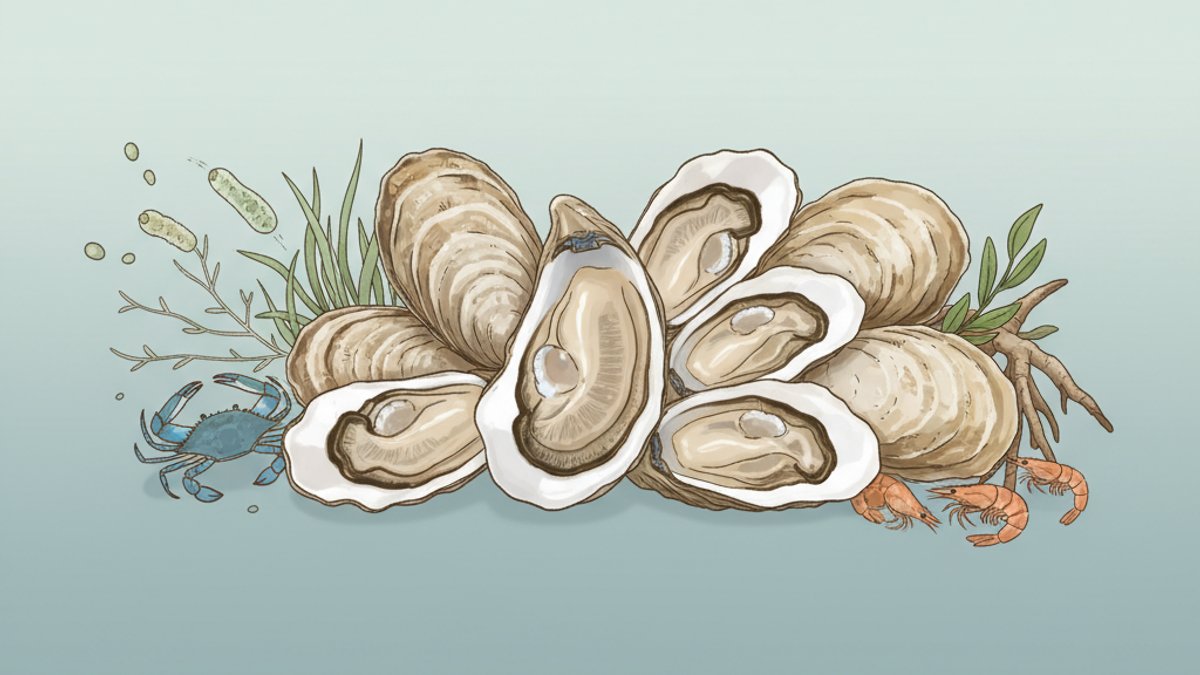
The Atlantic Oyster (C. virginica): From Maritime Brine to Gulf Sweetness
Deep dive into America's indigenous East Coast oyster - flavor profiles, regional variations, and famous varieties
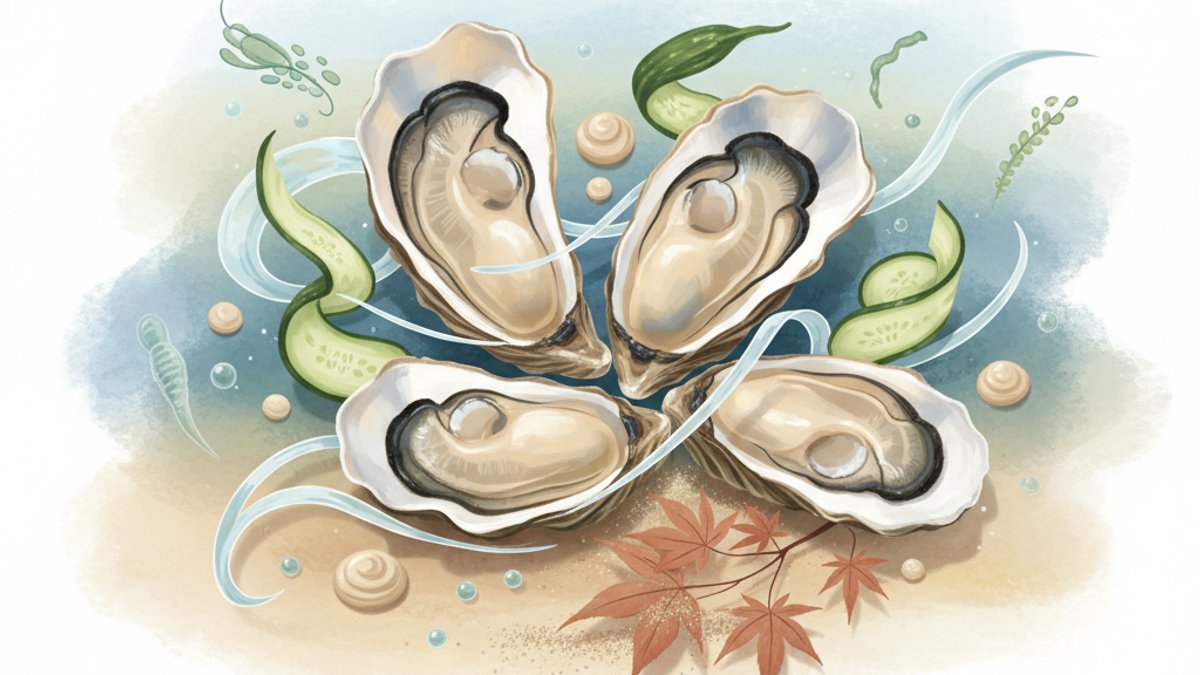
The Pacific Oyster (C. gigas): Cream, Cucumber, and the Japanese Legacy
Understanding one of the world's most widely farmed oysters - from Japanese origins to West Coast dominance
How Oysters Are Farmed: Methods, Gear, and Wild vs Farmed
A clear guide to oyster aquaculture - rack-and-bag, floating cages, bottom planting, longlines, tumbling - and how farmed differs from wild
Merroir & Environment
How environment shapes oyster flavor
What Is Merroir? How Water Shapes Oyster Flavor
Merroir is the marine version of terroir: how salinity, temperature, tides, and plankton in the growing water shape an oyster's flavor. The science, plus how to taste it.
Why Is My Oyster Green? The Fascinating Science of Green-Gilled Oysters
Explaining the Haslea ostrearia diatom, French Fines de Claires Vertes, and North American green gills
The R Month Myth: Should You Only Eat Oysters in Months with an R?
The science behind oyster seasonality, spawning cycles, and why triploids changed everything
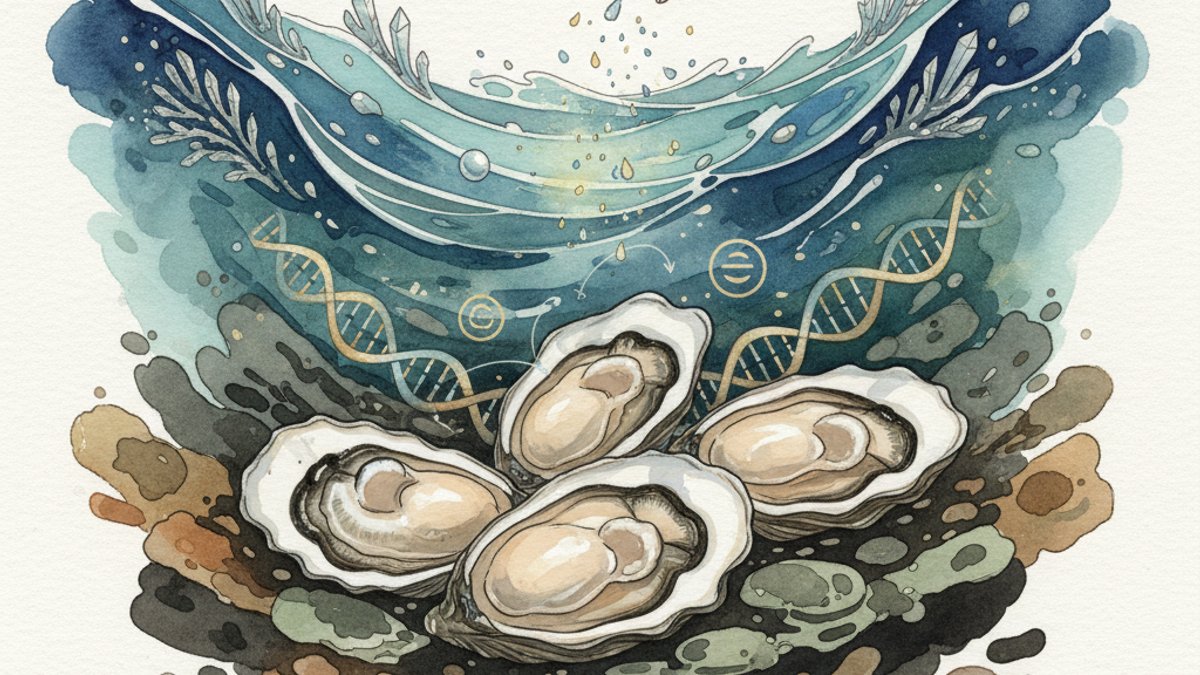
What Are Triploid Oysters? The Science Behind Year-Round Quality
Understanding triploid oyster genetics, why they don't spawn, and their impact on modern aquaculture
Practical Guides
Shucking, storage, safety, and handling
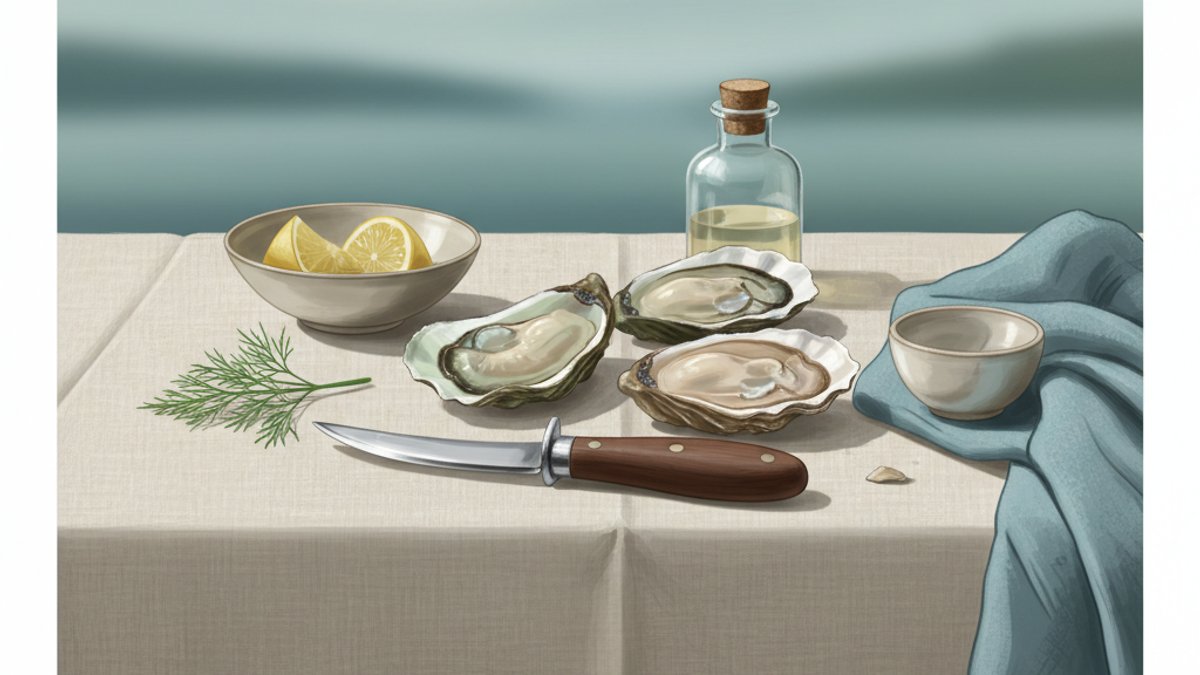
Vibrio and Raw Oysters: A Clear-Headed Guide to Oyster Safety
Understanding Vibrio vulnificus without fear-mongering - risk factors, prevention, and when to cook
How to Shuck Oysters: A Safe, Step-by-Step Guide to the Hinge Method
Shucking an oyster comes down to four moves: protect your hand, work the knife into the hinge, twist to pop the shell, and cut the adductor muscle. Here is the full technique, plus troubleshooting for stubborn shells.
How to Order Oysters: Reading the Menu and Building a Tasting Flight
How to order oysters at a restaurant with confidence: pick a mix of East and West Coast, order by the half-dozen or dozen, and ask the server to arrange them mild to briny. Here is how to read an oyster menu and build a tasting flight.
Can You Eat Oysters When Pregnant? What the Guidelines Actually Say
Cooked oysters are safe and even encouraged in moderation during pregnancy - the FDA lists them among lower-mercury 'Best Choices.' Raw or undercooked oysters should be avoided. Here is the guidance from FDA, ACOG, CDC, NHS, and Mayo Clinic, with the reasons behind it.
Why Are Oysters So Expensive? The Real Cost Drivers Explained
Oysters are expensive because they are a labor-intensive, slow-growing farmed animal that must be kept alive through a cold chain all the way to the plate. Here is a plain-English breakdown of the seven cost drivers - and how to still eat oysters for less.
How to Buy Oysters Online: A Practical Guide to Mail-Order Oysters
Yes, you can buy fresh oysters online. Reputable shippers harvest to order and send them live, overnight, on ice. Here is how to choose a source, understand the cold chain, and receive and handle your oysters safely when they arrive.
Are Oysters Good for the Environment? The Ocean-Positive Case, Explained
Yes - oysters can be one of the most environmentally helpful foods in the sea, filtering water, building habitat, removing nutrients, and producing protein with no feed or freshwater. The carbon story is more complicated.
What Do Oysters Taste Like? Flavor, Texture, and How It Varies
A raw oyster tastes like clean seawater first, then something sweet, and often a mineral or cucumber note at the end. How salty, sweet, or metallic it is depends on the species and where it grew. Flavor data from 292 oyster profiles.
Can You Freeze Oysters? In the Shell, Shucked, and How Long They Keep
Yes, you can freeze oysters, either live in the shell or shucked in their own liquor. Freezing changes the texture and flavor, so frozen oysters are for cooking, not for the half shell. Use them within about three months for best quality.
How to Clean Oysters: Scrubbing, Rinsing, and What to Throw Out
To clean oysters, throw out any that are cracked or will not close, then scrub each shell with a stiff brush under cold running water before you shuck or cook. Do not soak them: storing oysters in water kills them, and none of the official guides call for purging oysters at home. Step by step, with sources.
How Many Oysters Are in a Bushel? Bushels, Pecks, Sacks, and Counts
There is no fixed number of oysters in a bushel. Published working figures run from about 120 per bushel for Louisiana sack oysters to 275 to 300 for a Maryland bushel of three-inch Chesapeake oysters. The count depends on oyster size and on which bushel: Maryland, Virginia, and Louisiana each define their own measure in law.
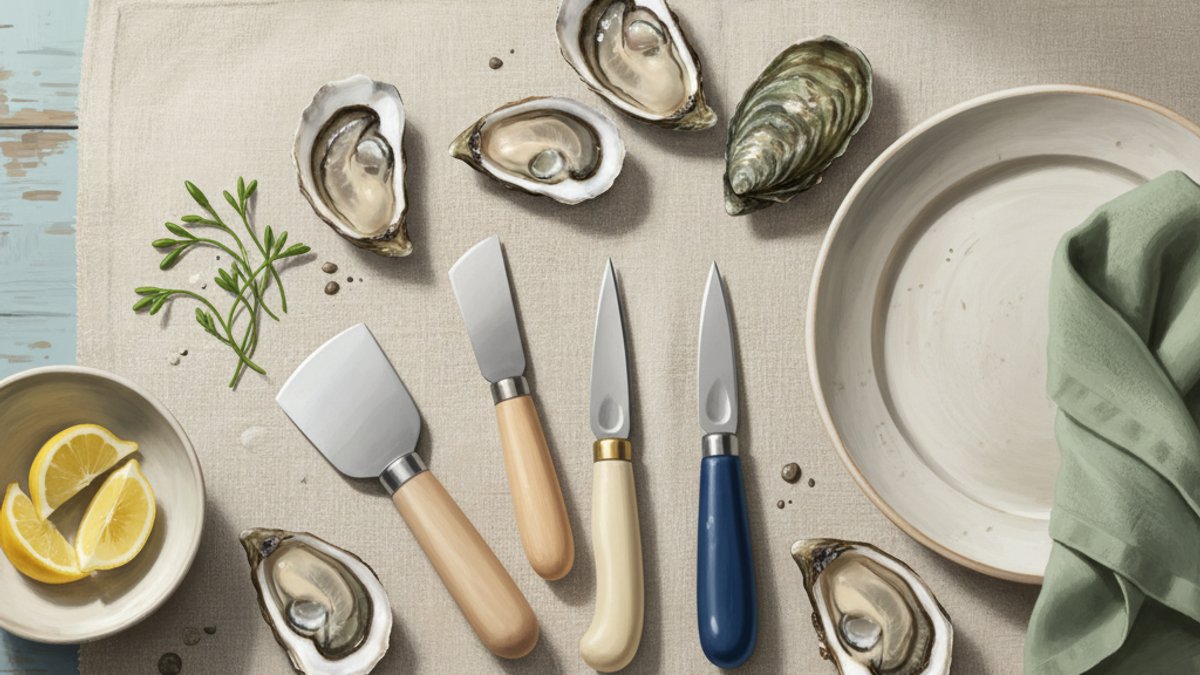
Oyster Knife Physics: Choosing the Right Blade for Your Bivalves
Comprehensive guide to oyster knife patterns, from New Haven to Galveston, with technique tips
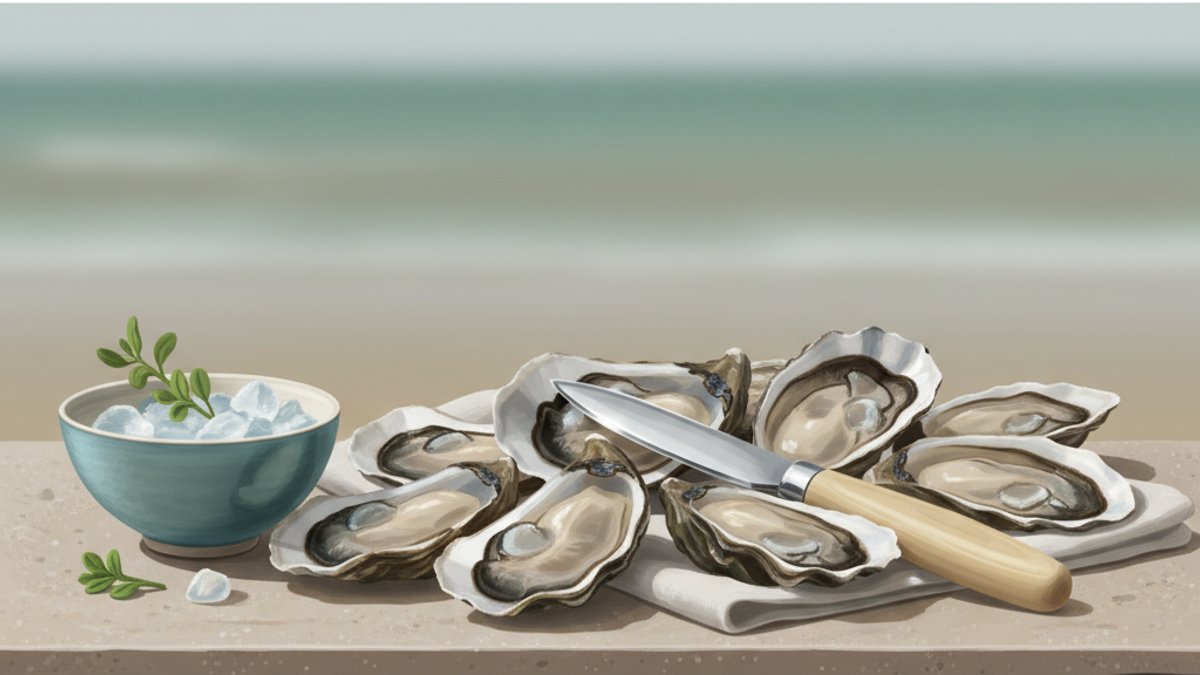
How to Store Live Oysters: Keep Them Fresh for Days
Proper storage techniques to keep oysters alive and fresh at home
How to Eat Oysters: Raw Bar Etiquette and Technique for Beginners
A beginner's guide to eating raw oysters - how to hold the shell, the liquor, whether to chew, condiments, and pacing
Oyster Grades and Sizes: Cocktail, Select, Standard, and Counts Explained
What oyster size terms and grades mean - cocktail, select, standard, counts - and how they affect what you order
When Is Oyster Season? Months Oysters Are in Season by Region
Oyster season runs roughly September through April in the US. Month-by-region calendar, wild harvest dates by state, and why farmed oysters are available year-round.
Oyster Glossary: An A-to-Z of Oyster Terms and Terminology
A plain-language glossary of oyster terms - from adductor muscle and liquor to merroir, spat, and the deep cup
Culinary & Pairings
Mignonettes, beverages, and cooked preparations
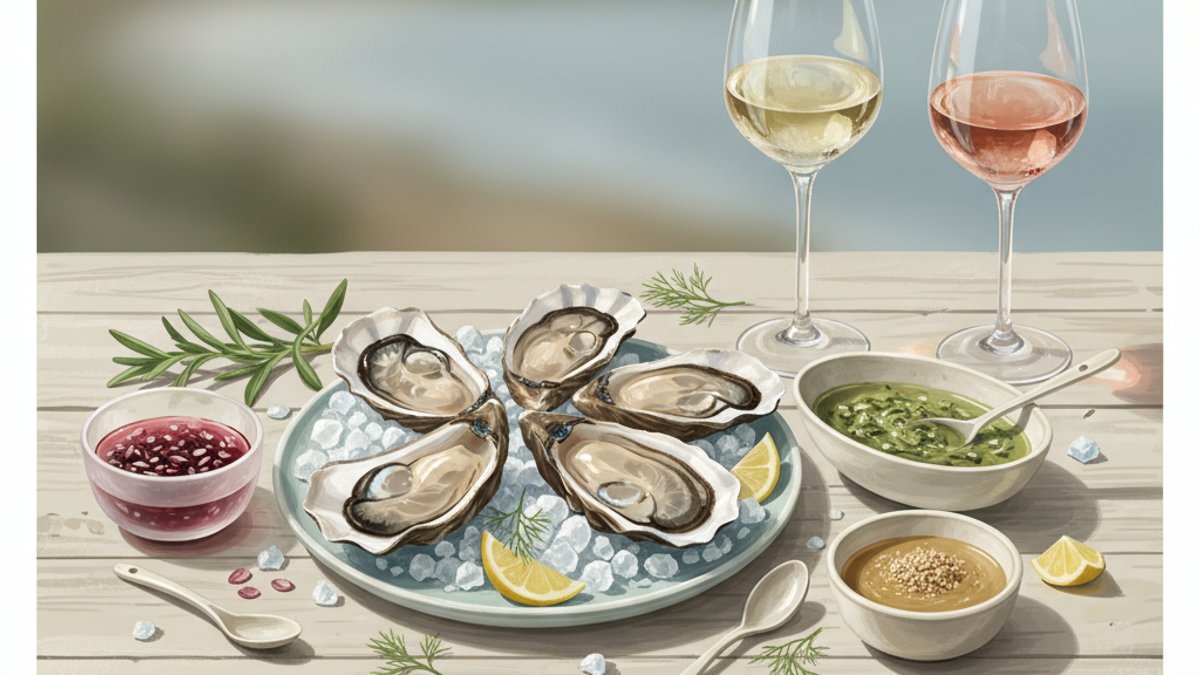
Beyond Cocktail Sauce: The Art of the Oyster Mignonette
Classic and creative mignonette recipes engineered to complement specific oyster flavor profiles
Champagne and Oysters: The Definitive Pairing Guide
Champagne is the near-universal oyster match in our dataset, but Muscadet, Chablis, and Sauvignon Blanc each have a role. Here is how to pair wine to oyster style.
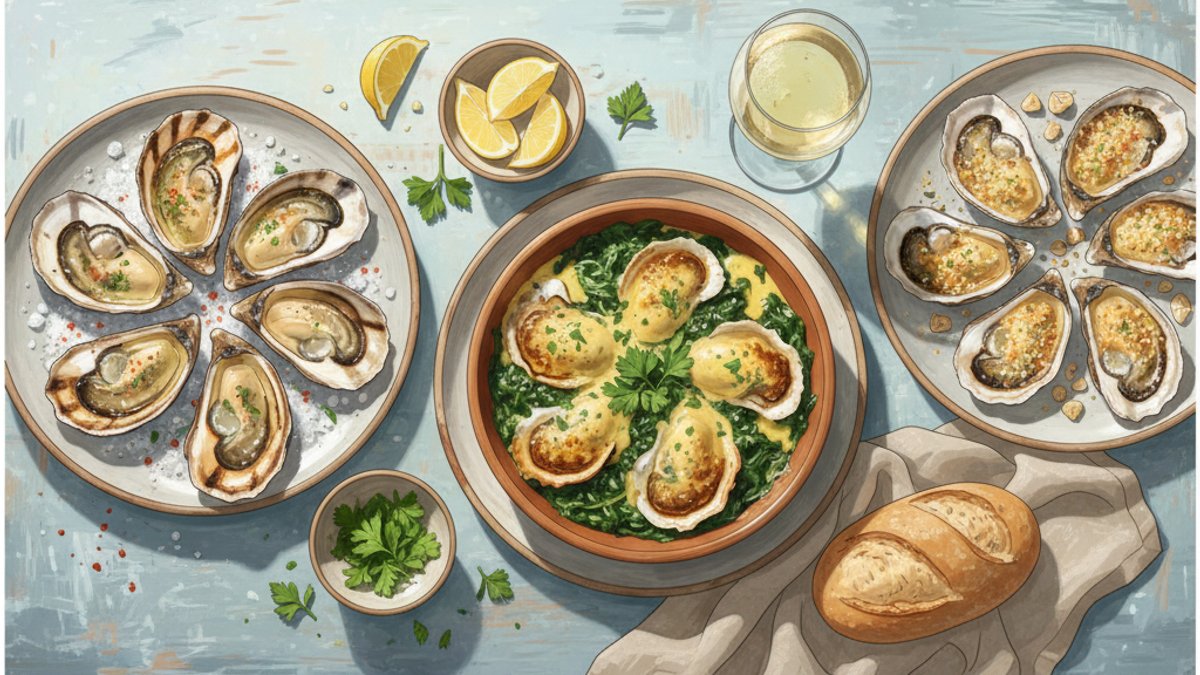
Cooked Oysters for the Hesitant: From Grilled to Rockefeller
Classic cooked oyster preparations for those not ready for raw
Raw vs Cooked Oysters: Flavor, Texture, Safety, and When to Cook
Weighing raw against cooked oysters - flavor, texture, safety, and nutrition - and when cooking is the smarter choice
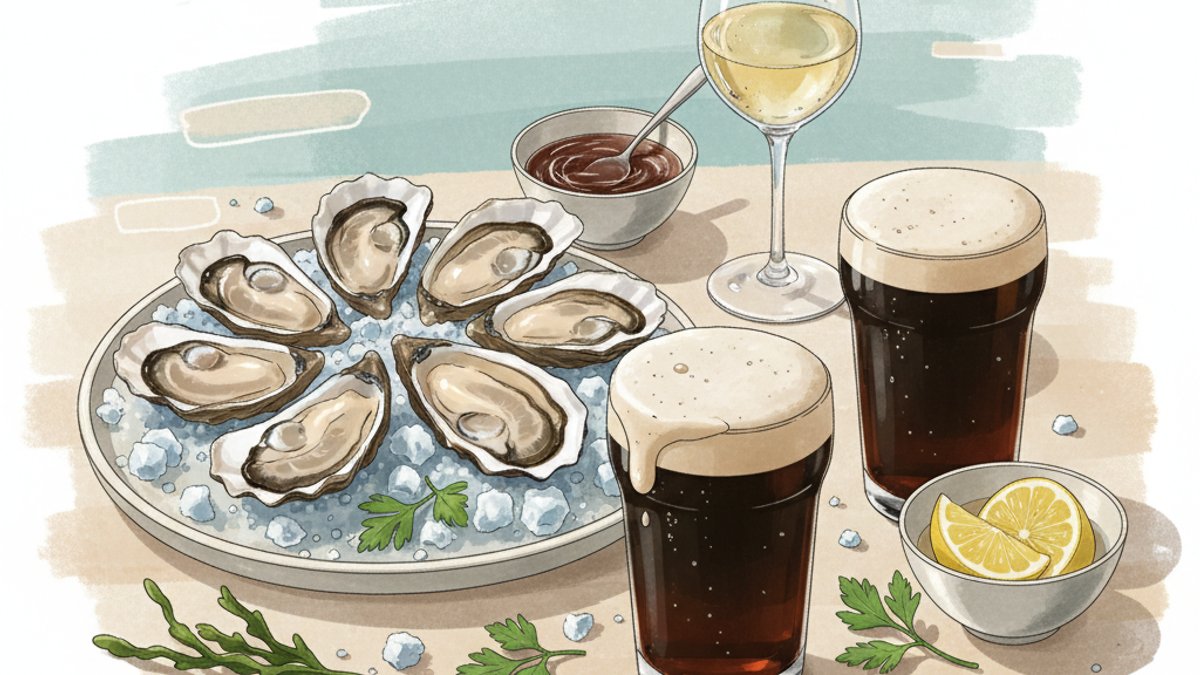
Oysters and Stout: The Science Behind the Perfect Pairing
Why Guinness and oysters work so well together, plus other beer pairing options
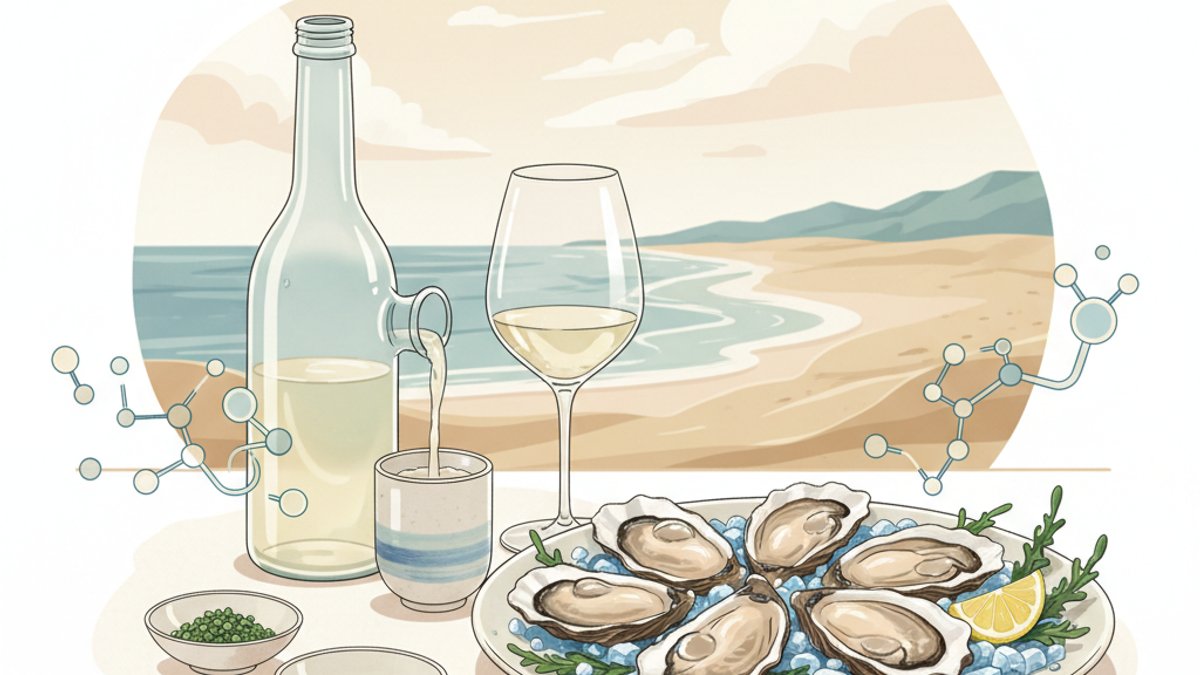
Sake and Oysters: The Umami Multiplier Effect
Why sake may be superior to wine for oysters, explained through amino acid chemistry
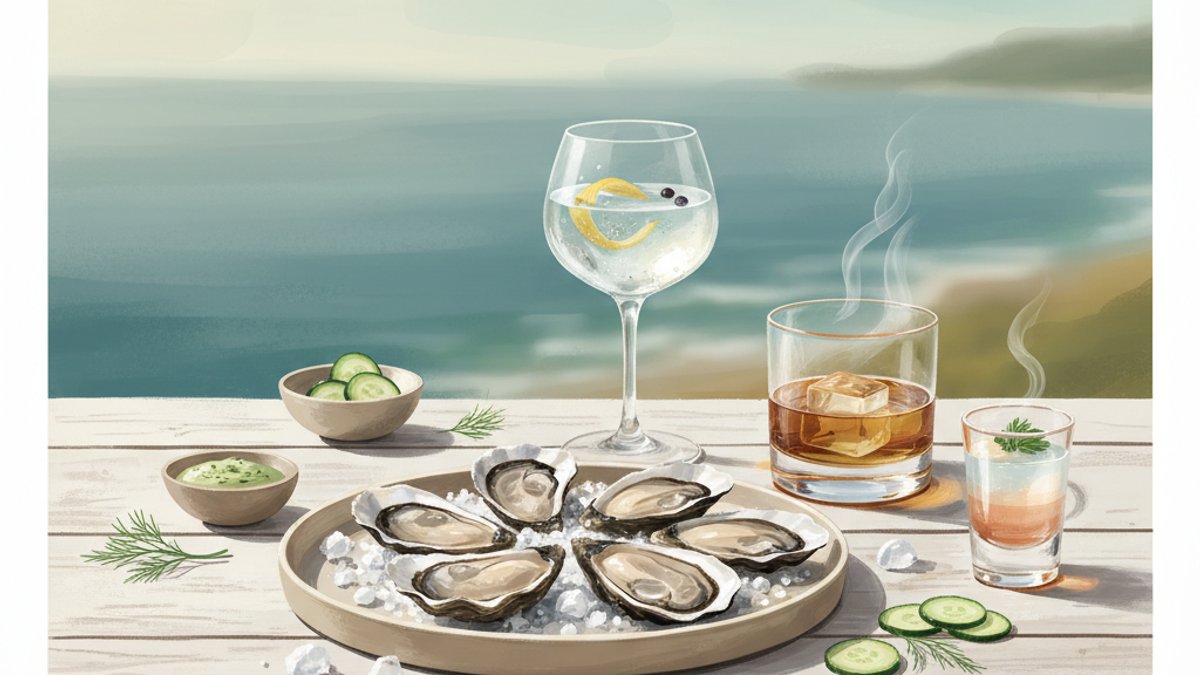
Gin, Scotch, and Shooters: Spirit Pairings for Oysters
Beyond wine and beer - how botanicals, peat, and whiskey complement oysters
History & Culture
Historical narratives and cultural significance
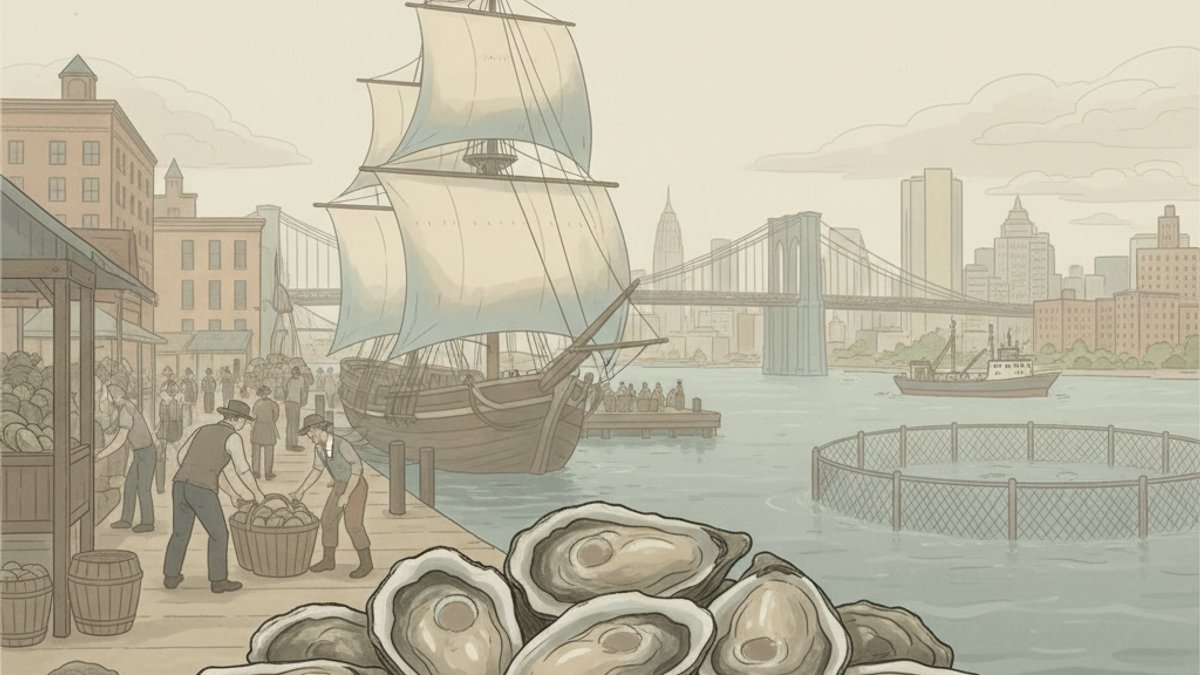
The Big Oyster: How Bivalves Built New York City
The incredible history of NYC's oyster reefs, from Lenape middens to the Billion Oyster Project
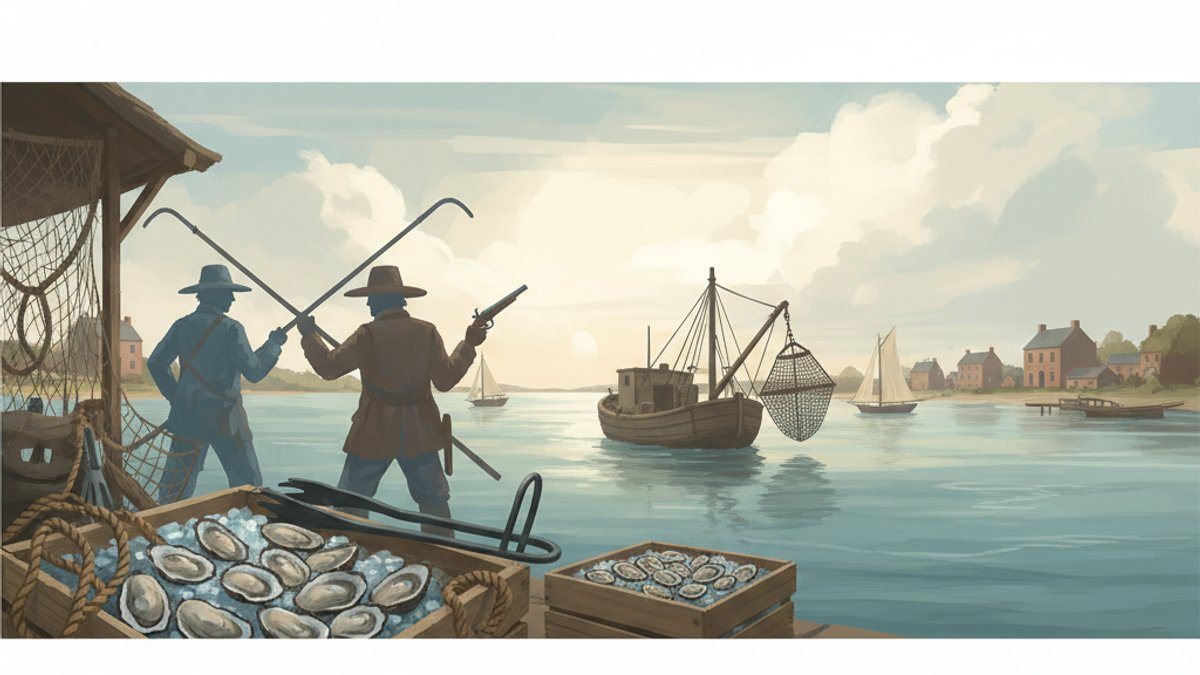
The Oyster Wars: Gunfights, Pirates, and the Battle for the Chesapeake
The century-long conflict between tongers and dredgers that shaped Maryland's oyster industry
Oyster Trails & Tourism
Regional guides and culinary tourism
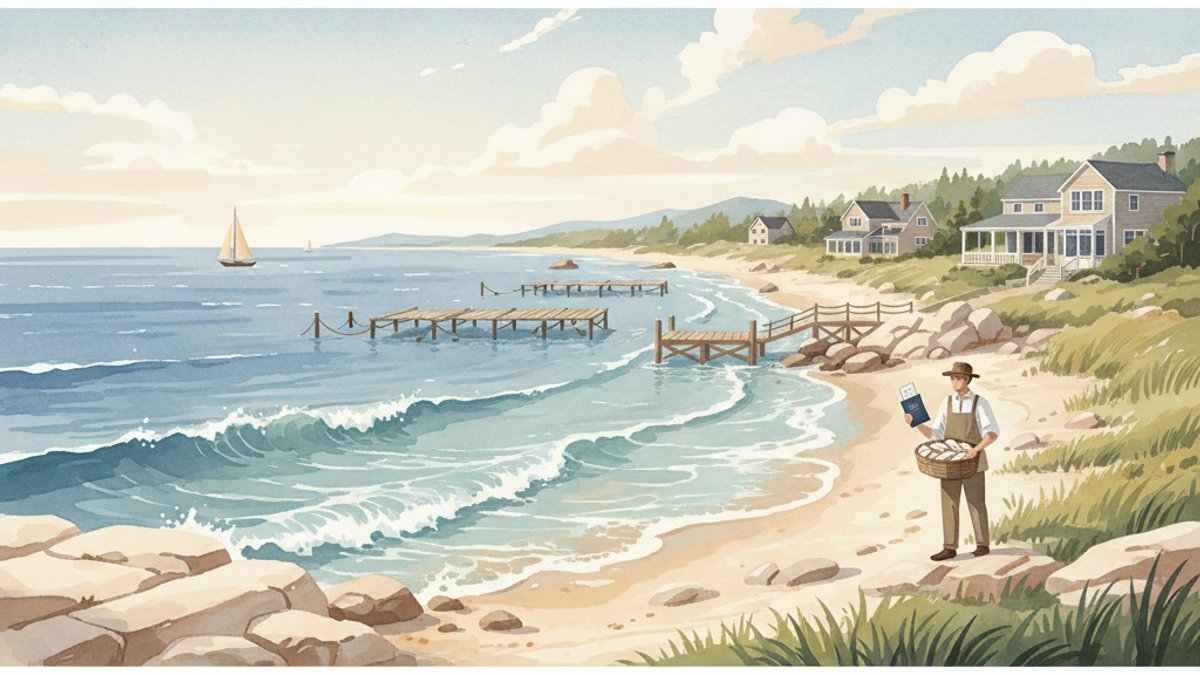
The Maine Oyster Trail: Your Complete Guide
Visiting Maine's oyster farms - passport program, key stops, and what to expect
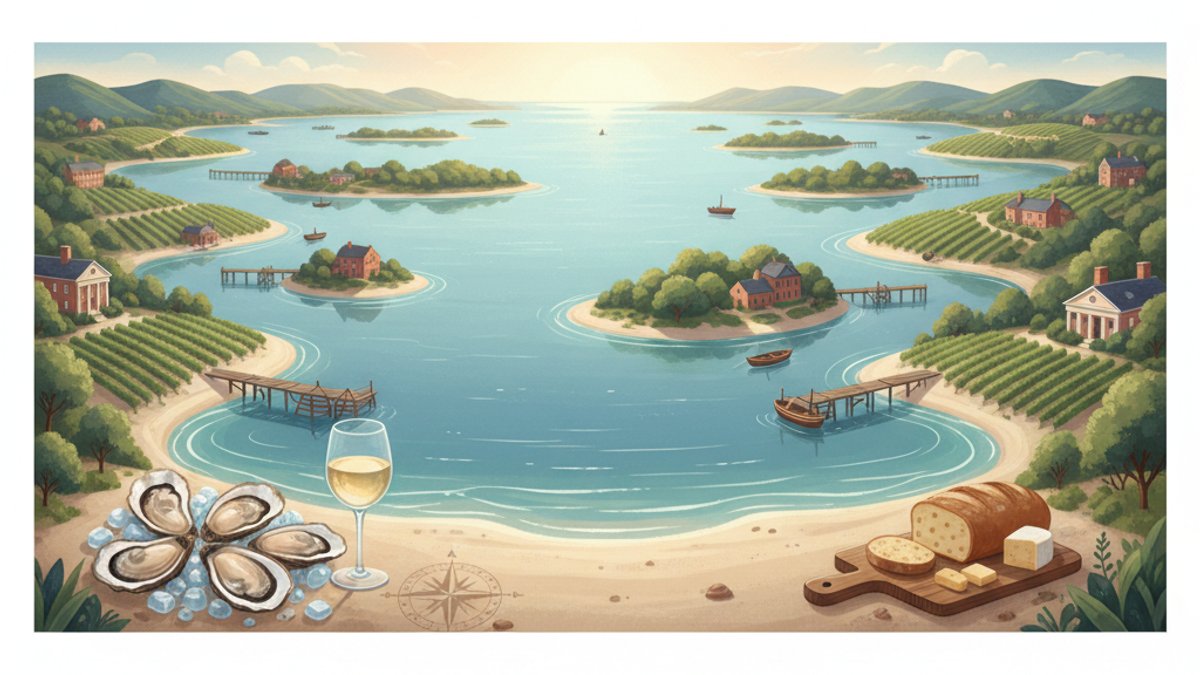
The Virginia Oyster Trail: Eight Water Regions to Explore
Virginia's merroir-focused trail linking oyster farms, wineries, and historical sites

The Washington Shellfish Trail: Hama Hama and Beyond
Exploring Washington's Pacific oyster country, from Hood Canal to Chuckanut Drive
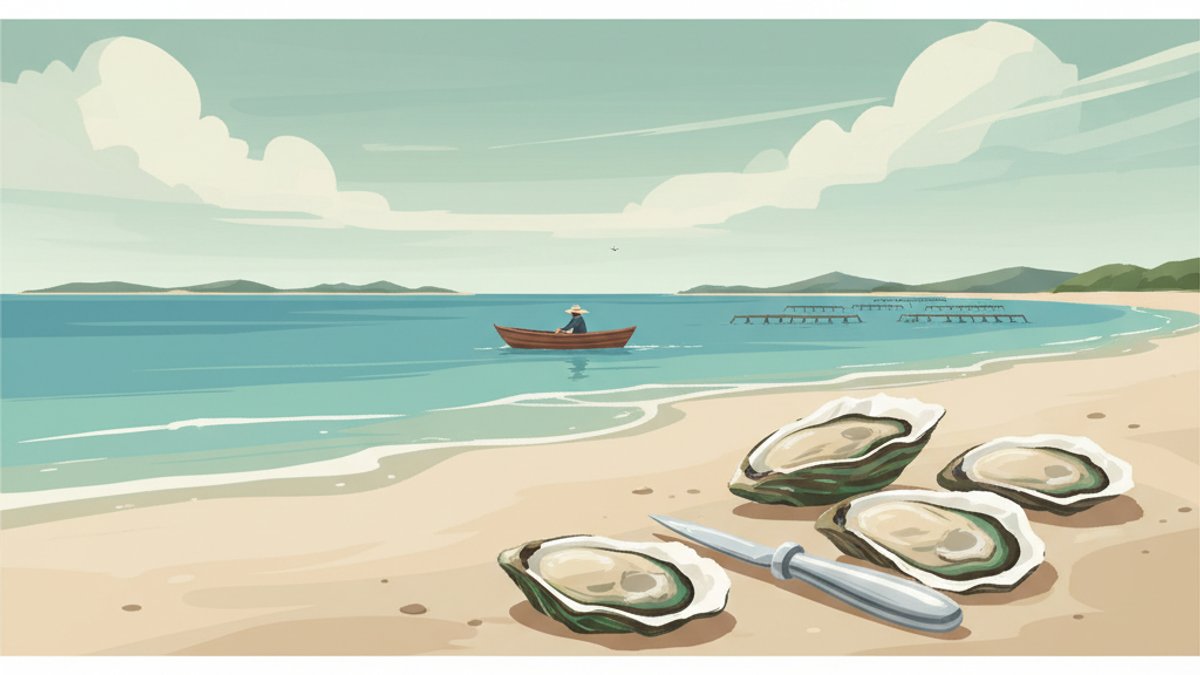
The NC Oyster Trail: The Napa Valley of Oysters
North Carolina's emerging oyster tourism scene and green gill specialty
Oyster Curiosities
Answering unusual questions about oysters
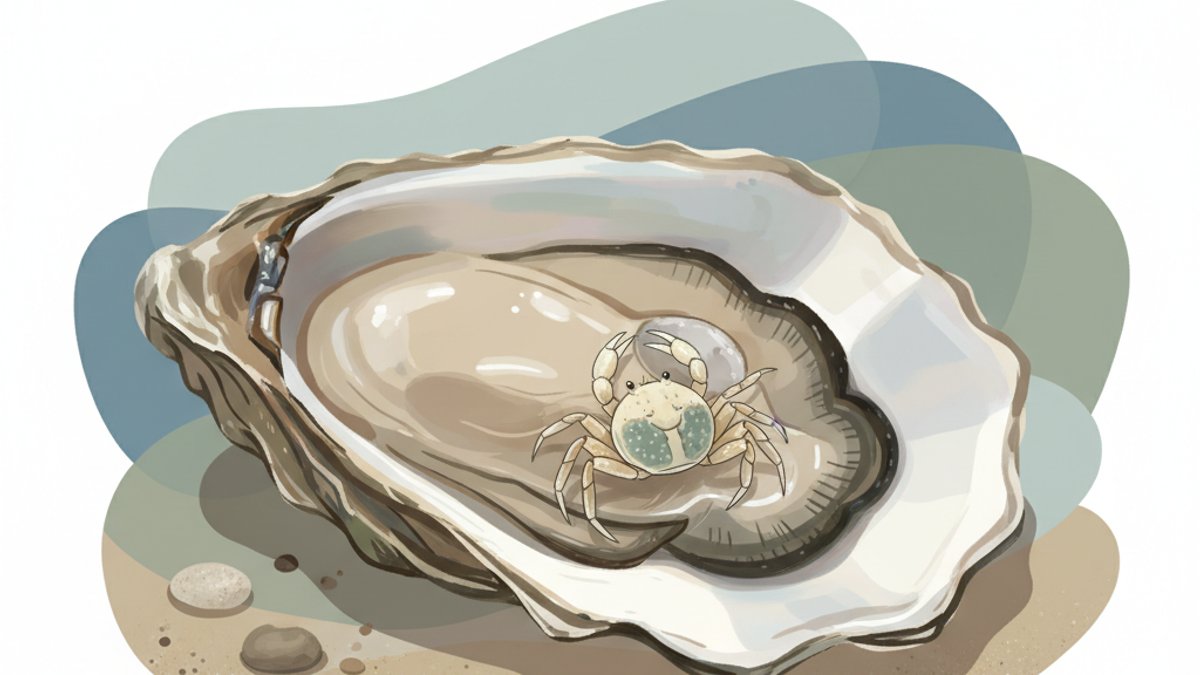
The Pea Crab: That Tiny Crab in Your Oyster Is a Delicacy
Explaining the tiny kleptoparasite said to have been George Washington's favorite snack
Are Oysters Alive When You Eat Them? Raw, Cooked, and Shucked Explained
Raw oysters on the half shell are alive until they are shucked, and usually still alive or only just dead when you eat them. Cooked oysters are alive when they go on the heat and dead when served. Here is what happens at each step and why a live oyster matters for safety.
Do Oysters Feel Pain? What Science Knows About Oyster Nerves and Brains
Nobody can say for certain. Oysters have a simple nervous system and react to threats, but they have no brain and no head sense organs. Here is what the anatomy and the research show, where the evidence runs out, and what that means for vegans and oyster eaters.
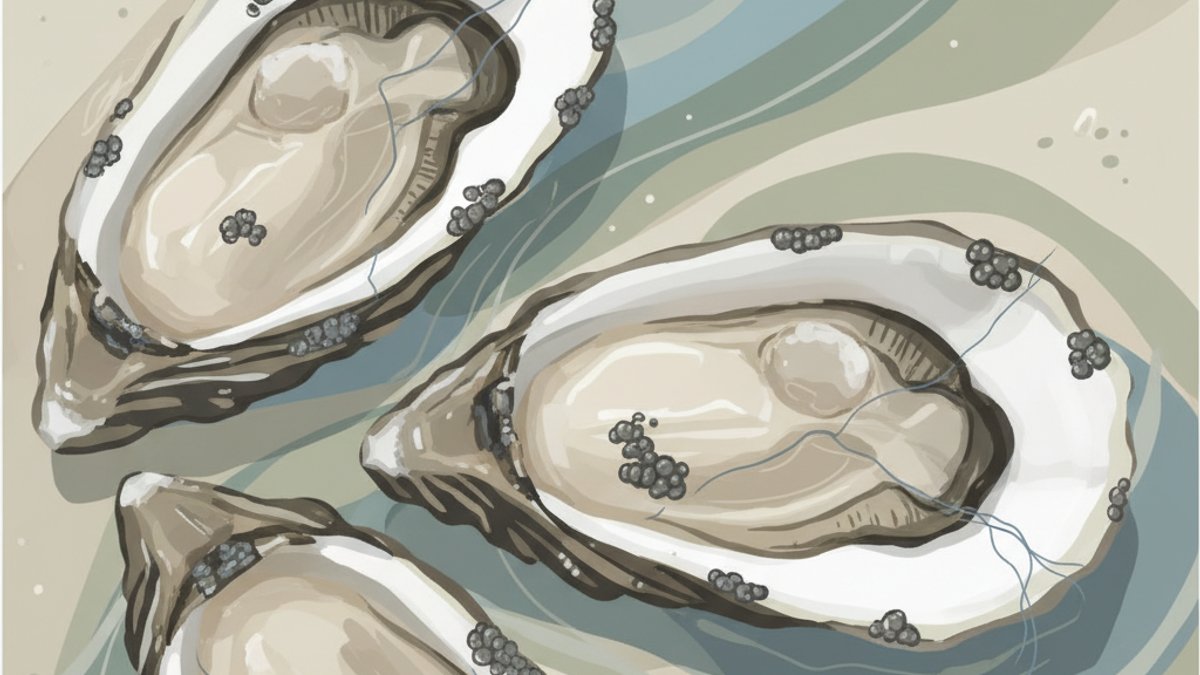
Mud Blister Worms: What Are Those Black Spots on My Oyster Shell?
Explaining Polydora websteri and why those shell blisters are harmless but smelly
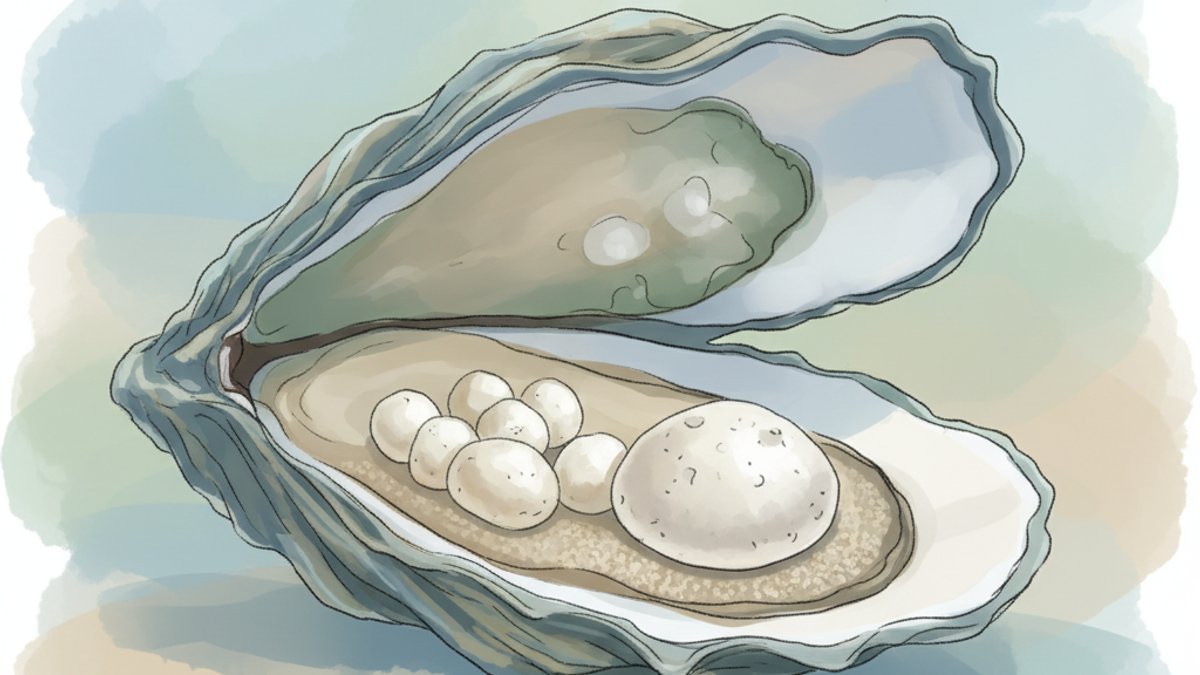
Will I Find a Pearl in My Oyster? The Truth About Edible Oyster Pearls
Why edible oyster 'pearls' are worthless (but still cool to find)
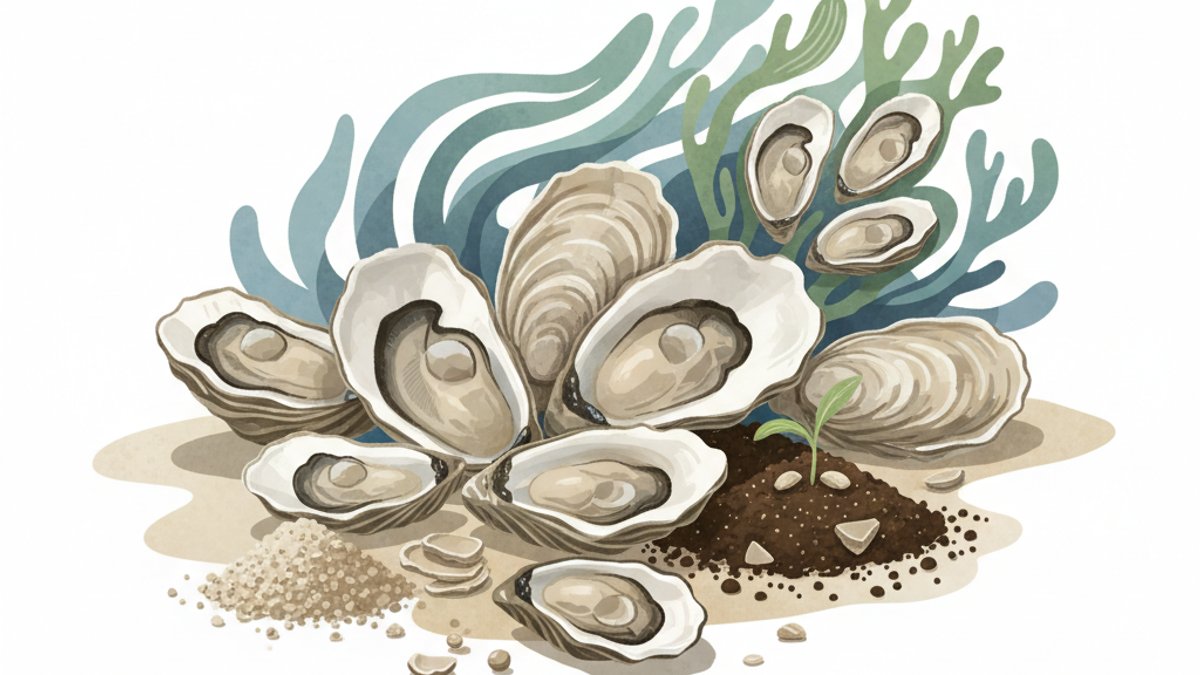
Oyster Shells: What They're Made Of, Uses & How to Recycle Them
What oyster shells are made of (over 90% calcium carbonate) and the best ways to use them: garden soil, chicken feed, driveways, and reef restoration recycling.
Data & Reference
Original research, datasets, and reference tables on oyster flavor
We Analyzed 292 Oysters: How Region and Species Shape Flavor
Original research across 292 oyster profiles: East Coast and Crassostrea virginica skew briny, West Coast and Crassostrea gigas skew sweet and creamy, and species turns out to be the single strongest driver of flavor. Full methodology, region and species tables, and a reproducible script.
The Language of Oyster Flavor: What 292 Tasting Notes Reveal
We counted every flavor descriptor across our 292 oyster profiles. Three words — Clean, Briny, Sweet — anchor almost every oyster, but a long tail of 224 distinct terms captures the nuance, and species predicts the vocabulary.
What 292 Oyster Profiles Reveal About Drink Pairings
Original research across 292 oyster profiles: Champagne is the near-universal pairing, Pilsner is the top beer, and Sauvignon Blanc leads specifically with Pacific oysters.