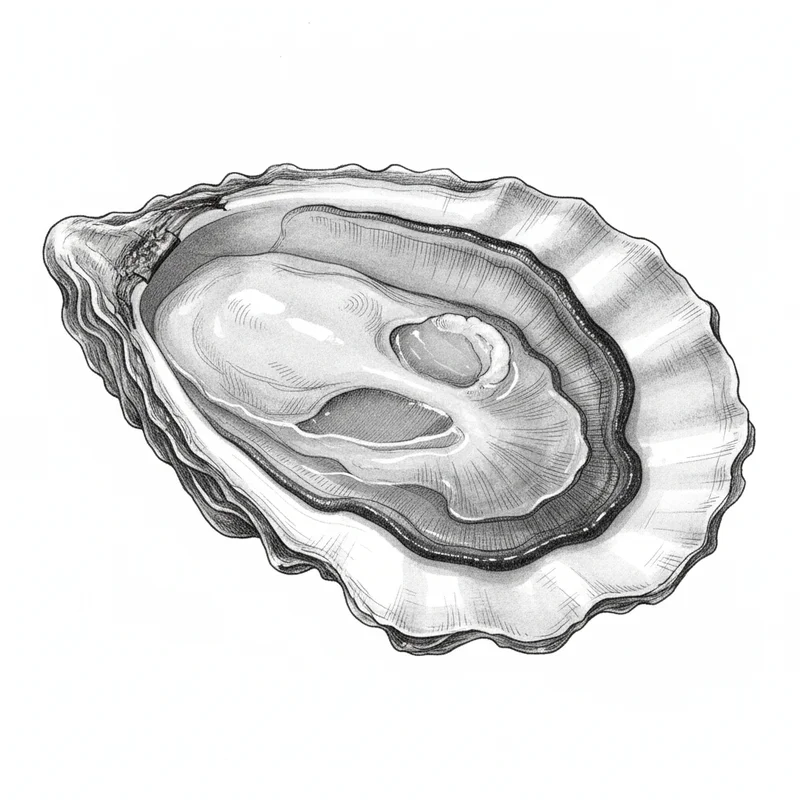
Hog Island Highwater
Crassostrea gigas
Hog Island's Pacific oyster from Humboldt Bay, California, tumbled by the tide high on the mudflats. A light brine, a savory seaweed note and an earthy finish.
At a Glance
Hog Island Highwater is a Pacific oyster (Crassostrea gigas) from the US West Coast. It is mildly briny (2/5 brininess) and subtly sweet (2/5 sweetness), with umami, seaweed, earthy flavors and a finish that is earthy. It is considered a beginner-friendly oyster.
Flavor Profile
Finish
Earthy
Expert Notes
Highwater is Hog Island Oyster Co.'s Pacific oyster from Humboldt Bay in Northern California, a separate farm from the company's home ground on Tomales Bay. Hog Island runs a hatchery and nursery in Humboldt Bay, and in May 2022, after securing permits to expand, it planted its first oysters on a 27-acre farm high on the bay's mudflats. Highwaters were the first batch the company planted, grew and harvested there, so they spend their whole lives in one bay, from hatchery to harvest. The oysters are tumbled by the tide. Hog Island describes the result as a light brine, seaweed umami and an earthy finish, which sets it apart from the sweeter, smokier Sweetwater from Tomales Bay. The one independent note we found repeats the farm's description. Origin & Characteristics
- Species
- Crassostrea gigas
- Native to
- Japan
- Grown in
- Humboldt Bay, California
- Size
- Medium (no measurement published)
- Shell Color
- Gray-white
- Meat Color
- Cream to light gray
Where to Try It
San Francisco
- Hog Island Oyster Co. Ferry Building
- Hayes Street Grill Civic Center area
On these menus when we checked on October 1, 2026. Raw-bar lists change daily.
What Tasters Say
Across 3 sources, tasters describe this oyster as:
Unique notes: seaweed umami, light brine
"Tide tumbled high in the mudflats, our Highwaters pack a merroir that’s totally Humboldt Bay: a light brine, seaweed umami, and an earthy finish."
mild brineseaweedumamiearthy
"The Highwater comes from their second farm in Humboldt Bay, tide-tumbled in the mudflats, and it carries a seaweed umami note with an earthy finish that the Tomales Bay oysters don't have."
seaweedumamiearthy
About the Farm
Hog Island Oyster Co.
Hog Island Oyster Co. farms 160 acres of intertidal ground on Tomales Bay. In Humboldt Bay it runs what it calls California's first permitted shellfish hatchery, a floating nursery, and since 2022 a 27-acre farm, where it grows Highwaters and its Kumamotos.
- Cultivation Method
- tide tumbled on the mudflats
History & Background
Hog Island says it planted its first oysters in Humboldt Bay in May 2022 after securing permits to expand. The hatchery and nursery sit in calm basins sheltered from the Pacific by the Samoa Peninsula, and the farm is positioned high on the bay's mudflats.
Hog Island's own San Francisco oyster bar and Hayes Street Grill both list Highwater, with Humboldt Bay as the origin. It is the company's second Pacific oyster after the Sweetwater.
Did You Know?
- The first batch of Pacific oysters Hog Island planted, grew and harvested at its Humboldt Bay farm
- Hatchery, nursery and farm are all in Humboldt Bay
- The Humboldt farm covers 27 acres
- Hog Island's Kumamotos are grown on the same farm
Sources & References
This information was compiled from 3 sources.
- Our Oysters — Hog Island Oyster Co.
- Humboldt Bay Farm — Hog Island Oyster Co.
- Shuck Your Own Thursdays at Hog Island: A Chef's Guide to Tomales Bay — Geronimo Cooks
Similar Oysters
Spring Creek
US West CoastA briny Pacific Northwest oyster prized for its firm texture and intense umami flavor. Best in early spring when amino acids create peak savory intensity with a clean, assertive finish.
Peale Passage
US West CoastA beach-finished Pacific oyster from the strait between Harstine and Squaxin Islands in South Puget Sound, Washington. Firm, creamy meat with mild brine and a cucumber finish.
Cliff Point
US West CoastA tide-tumbled Pacific oyster from Henderson Inlet in South Puget Sound, grown by Perkins Family Farms. Crisp brine and gentle umami, with a light melon finish and no grit.
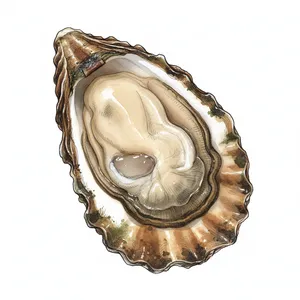
Cranberry Creek
US West CoastA small Washington Pacific oyster with a tortoise-colored shell, sold by Penn Cove Shellfish. Bold brine and a granite-like mineral edge, then a crisp, honeydew-tinged finish. Sources disagree on which bay it comes from.
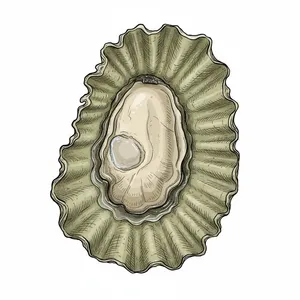
Glacier Point
US West CoastAlaskan oyster from Kachemak Bay's glacier-fed waters. Intensely briny and umami-rich with distinctive salinity and thick shell. Less cucumbery than typical Pacifics, with a unique 'touch of king salmon' flavor.
Learn More
The Big Five: A Complete Guide to Commercial Oyster Species
Comprehensive guide to C. virginica (Atlantic), C. gigas (Pacific), C. sikamea (Kumamoto), O. lurida (Olympia), and O. edulis (European Flat)
Read article → Biology & SpeciesThe Pacific Oyster (C. gigas): Cream, Cucumber, and the Japanese Legacy
Understanding one of the world's most widely farmed oysters - from Japanese origins to West Coast dominance
Read article → Merroir & EnvironmentWhat Is Merroir? How Water Shapes Oyster Flavor
Merroir is the marine version of terroir: how salinity, temperature, tides, and plankton in the growing water shape an oyster's flavor. The science, plus how to taste it.
Read article →