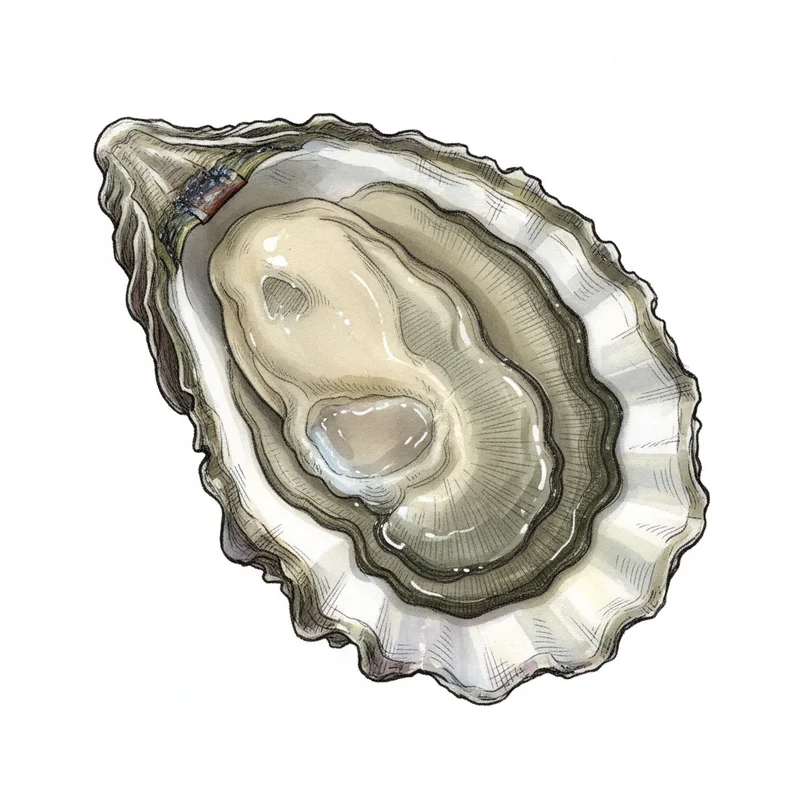
Cliff Point
Crassostrea gigas
A tide-tumbled Pacific oyster from Henderson Inlet in South Puget Sound, grown by Perkins Family Farms. Crisp brine and gentle umami, with a light melon finish and no grit.
At a Glance
Cliff Point is a Pacific oyster (Crassostrea gigas) from the US West Coast. It is moderately briny (3/5 brininess) and moderately sweet (3/5 sweetness), with briny, umami, melon flavors and a finish that is light, with honeydew or cucumber depending on the grade. It is considered a beginner-friendly oyster.
Flavor Profile
Finish
Light, with honeydew or cucumber depending on the grade
Expert Notes
Cliff Point oysters come from Perkins Family Farms on Henderson Inlet, near Olympia, Washington. The name is a natural landmark that juts into the inlet just south of the farm. Father and son Bill and Ryan Perkins got their permit in 2017 and launched the brand in 2019. They suspend the oysters in bags off the sand, where each tide tumbles them, then move them to shallow water to harden the shell. The farm sells three grades: Petite, Plump and Reserve. It describes a cold, crisp brine, light sweet melon and varying notes of umami across all three. The flavor notes here are the grower's own; no distributor or reviewer page was found. Origin & Characteristics
- Species
- Crassostrea gigas
- Native to
- Japan
- Grown in
- Henderson Inlet, South Puget Sound, Washington
- Size
- Small to Medium (2.25-3.75 inches)
- Shell Color
- Dense, hard shell
- Meat Color
- Cream to ivory
Where to Try It
Seattle
- The Walrus and the Carpenter Ballard
- Westward Lake Union, north shore
- RockCreek Seafood & Spirits Fremont
On these menus when we checked on October 1, 2026. Raw-bar lists change daily.
What Tasters Say
Across 3 sources, tasters describe this oyster as:
Unique notes: honeydew, cucumber, no grit
"Shuck it and your tongue dances with the cold crisp brine, light sweet melon and varying notes of rich umami that delight the senses."
brinycrispmelonumami
"Crisp briny start carried by a gentle umami, finished with light notes of honey dew."
brinycrispumamihoneydew
"Crisp and briny carried with a rich umami sensation wrapped up in subtle cucumber finish."
brinycrispumamicucumber
"Can't get enough of the Cliff Point Pacifics. The Deep cup and crisp briny sweetness says it all"
brinycrispsweet
About the Farm
Perkins Family Farms
Est. 2017Bill Perkins grew oysters as a hobby before he and his son Ryan decided, in 2016, to turn it into a family farm. They got their permit in June 2017 and emptied their first bag that fall. The Cliff Point brand followed in 2019, and in 2020 Ryan left the Navy to farm full time.
- Cultivation Method
- tide-tumbled bags, then beach hardened
History & Background
Henderson Inlet is in southern Puget Sound, not far from Olympia. The farm says its site north of Cliff Point gets strong tidal currents and a distinctive mix of algae. Bags are hung clear of the sand so the oysters tumble over each other on every tide, which the farm says deepens the cup and keeps grit out.
The three grades differ by size and handling: Petite at 2.5 to 2.75 inches for eating raw, Plump at 3 to 3.75 inches for the grill or oven, and Reserve at 2.25 to 3 inches after more than two years of tumbling and hand sorting. Seattle menus list the oyster simply as Cliff Point.
Did You Know?
- The farm's motto: grit is in our people, not our oysters
- Generations of the Perkins family were land farmers, starting in 1920s Illinois
- Bill's father ran a fruit orchard in Wenatchee, Washington
- The Reserve grade is compared by the farm to a vintage wine
Sources & References
This information was compiled from 3 sources.
- Our Oysters — Perkins Family Farms
- Home — Perkins Family Farms
- Our Story — Perkins Family Farms
Similar Oysters
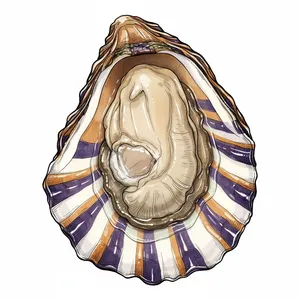
Carlsbad Blonde
US West CoastSouthern California's signature oyster from Carlsbad's Agua Hedionda Lagoon. Grown in suspended culture with distinctive glassy, striped shells. Strongly briny with refreshing melon and cucumber notes, balanced between briny and sweet.
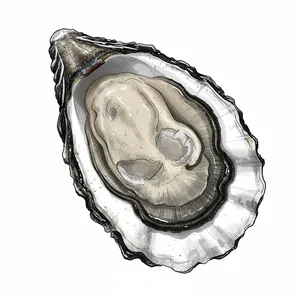
Cold Creek
US West CoastCultivated Pacific oyster from Southern Puget Sound with plump, sweet meat and midsized white-and-black shells. Balanced brininess with a distinctive salty-melon finish reminiscent of a New England clambake.
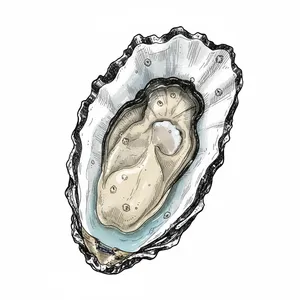
Elkhorn
US West CoastBeach-grown Pacific oyster from Washington's Willapa Bay. Firm and meaty with intense, robust flavor featuring high brininess, natural sweetness, and a distinctive mineral-melon finish.
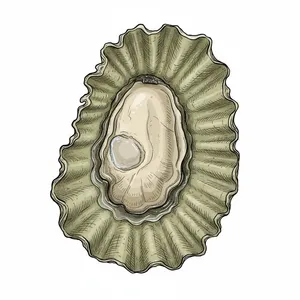
Glacier Point
US West CoastAlaskan oyster from Kachemak Bay's glacier-fed waters. Intensely briny and umami-rich with distinctive salinity and thick shell. Less cucumbery than typical Pacifics, with a unique 'touch of king salmon' flavor.
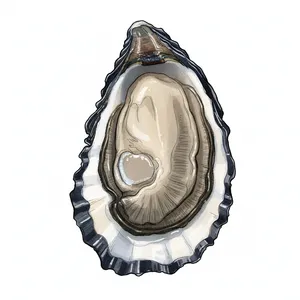
Indigo
US West CoastA tumbled Pacific oyster grown in suspended cages beside a kelp farm at Hood Head, Washington. High salinity, savory umami and a cucumber finish.
Learn More
The Big Five: A Complete Guide to Commercial Oyster Species
Comprehensive guide to C. virginica (Atlantic), C. gigas (Pacific), C. sikamea (Kumamoto), O. lurida (Olympia), and O. edulis (European Flat)
Read article → Biology & SpeciesThe Pacific Oyster (C. gigas): Cream, Cucumber, and the Japanese Legacy
Understanding one of the world's most widely farmed oysters - from Japanese origins to West Coast dominance
Read article → Merroir & EnvironmentWhat Is Merroir? How Water Shapes Oyster Flavor
Merroir is the marine version of terroir: how salinity, temperature, tides, and plankton in the growing water shape an oyster's flavor. The science, plus how to taste it.
Read article →