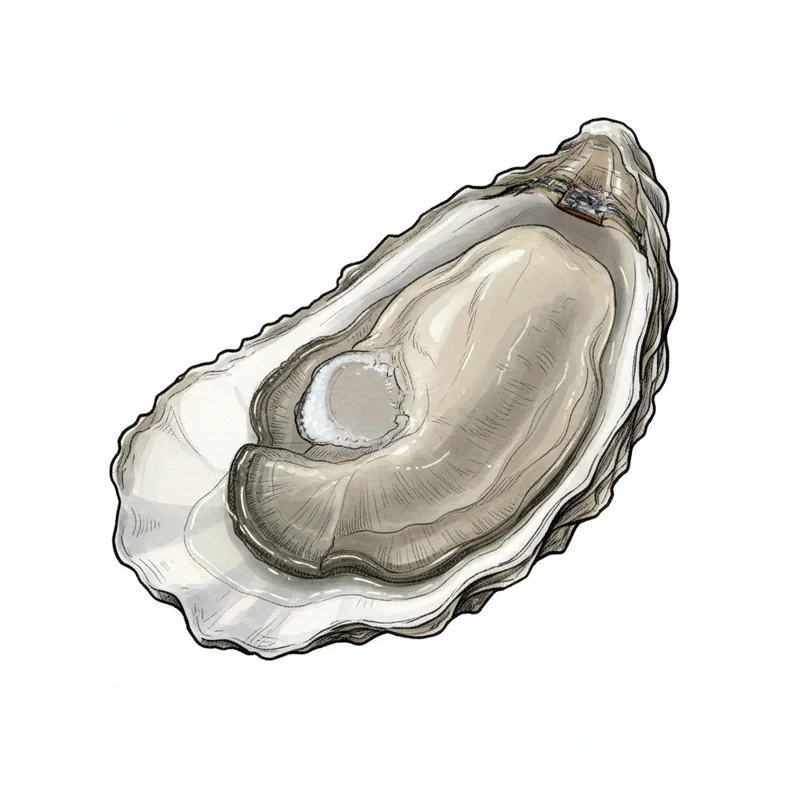
Eros
Crassostrea virginica
A slow-grown Maine oyster from floating cages in Robinhood Cove on Georgetown Island. A briny start gives way to a very sweet finish, in a hard, well-cupped shell.
At a Glance
Eros is an Eastern oyster (Crassostrea virginica) from the US East Coast. It is moderately briny (3/5 brininess) and distinctly sweet (4/5 sweetness), with sweet, briny flavors and a finish that is very sweet. It is considered a beginner-friendly oyster.
Flavor Profile
Finish
Very sweet
Expert Notes
Eros oysters are grown by the Gaffney family in Robinhood Cove, a long, narrow inlet that nearly splits Georgetown Island, Maine in half. They spend three to four years in floating cages and are tumbled often, which gives a hard, well-cupped shell. The farm describes a briny start and a very sweet finish. The Maine Oyster Company puts the sweetness down to the site: the lease is close to a salt marsh at the bottom of the cove and a long way from the ocean outlet at the top, so the balance of salt and sweet leans sweet. The name is pronounced like "arrows". Origin & Characteristics
- Species
- Crassostrea virginica
- Native to
- USA
- Grown in
- Robinhood Cove, Georgetown Island, Maine
- Size
- Small (2.5-3 inches)
- Shell Color
- Hard, tumbled shell
- Meat Color
- Ivory to light gray
Where to Try It
Boston
- Neptune Oyster North End
On these menus when we checked on October 1, 2026. Raw-bar lists change daily.
What Tasters Say
Across 3 sources, tasters describe this oyster as:
Unique notes: very sweet finish, refreshing
"Briny start (which can be adjusted to taste by pouring out some liquor) with a very sweet finish (which you cannot, and would not, want to adjust)"
brinysweet
"The farm's proximity to the nutrients of the salt water marsh at the bottom of the cove and distance from the ocean outlet at the top provides a sweet/salt flavor mix that definitely favors the sweet side."
sweetbriny
"Surface cage grown its entire life, this oyster is clean, crisp & refreshing."
cleancrisprefreshing
About the Farm
Eros Oyster
Eros is a small, family-owned farm on Robinhood Cove where three generations work together. The Maine Oyster Company names father and son Mike and Mark Gaffney as the main operators: former deep-sea merchant seamen and boat builders who started the farm so they could work together on the water close to home.
- Cultivation Method
- floating surface cages, tumbled
History & Background
Robinhood Cove was named by English settlers after the local chief who sold them the island and cove, whose Abenaki name was Mowhotiwormet. The farm says the Abenaki name for the island, Eros ca hagen, means a good place for spearfishing, and that the conditions that made it so also suit oysters.
The two sources disagree on the season. The farm lists availability from April 1 to December 31, weather permitting, and says the oysters and the farmers hibernate from January through March. The Maine Oyster Company says the cove's salinity, current and shelter limit ice and allow harvest through the winter. This profile follows the farm.
Did You Know?
- Eros is the Greek god of passionate love; the farm also likes that the name sounds like "arrows", for Robinhood Cove
- The lease is a few feet from the family dock, so oysters go straight from the water to the box
- The farm ships the day after harvest and runs tours and a u-pick
- The farm suggests pouring off some liquor if you want less salt
Sources & References
This information was compiled from 3 sources.
- Eros Oyster — Eros Oyster
- Eros Oysters — The Maine Oyster Company
- About Eros Oyster Farm — Eros Oyster
Similar Oysters
Rochambeau
US East CoastRappahannock Oyster Co.'s mid-salinity oyster, grown at the mouth of the York River near Yorktown, Virginia. Sweet and mildly briny with a clean, crisp finish; saltier than the company's Rappahannock, milder than its Olde Salt.
Aunt Dotty
US East CoastA small, tray-grown oyster from Saquish Neck in Duxbury Bay, Massachusetts, from Island Creek Oysters. Intensely salty with a nori-like brine, then a rich, nutty sweetness and dense, toothsome meat.
Barnstable
US East CoastA classic Cape Cod Bay oyster from historic Barnstable Harbor. Sweet and nutty with firm, crunchy texture, balanced brine, and a distinctive lobster-stock finish reminiscent of a New England clambake.
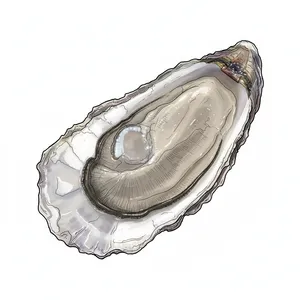
Bodie Island
US East CoastThe Outer Banks' first farmed oyster from North Carolina. Medium-sized with balanced salinity, offering a harmonious blend of sweet and salt with firm texture from off-bottom tray cultivation.
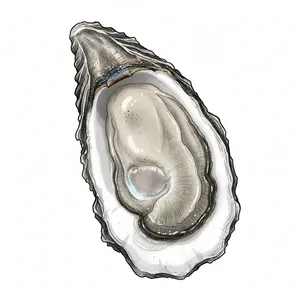
Boomamoto
US East CoastA petite, very deep-cupped Cape Cod oyster from Cape Cod Oyster Company, shaped like a West Coast Kumamoto but an Eastern oyster in species and taste. Strong brine up front and a sweet finish.
Learn More
The Big Five: A Complete Guide to Commercial Oyster Species
Comprehensive guide to C. virginica (Atlantic), C. gigas (Pacific), C. sikamea (Kumamoto), O. lurida (Olympia), and O. edulis (European Flat)
Read article → Biology & SpeciesThe Atlantic Oyster (C. virginica): From Maritime Brine to Gulf Sweetness
Deep dive into America's indigenous East Coast oyster - flavor profiles, regional variations, and famous varieties
Read article → Merroir & EnvironmentWhat Is Merroir? How Water Shapes Oyster Flavor
Merroir is the marine version of terroir: how salinity, temperature, tides, and plankton in the growing water shape an oyster's flavor. The science, plus how to taste it.
Read article →