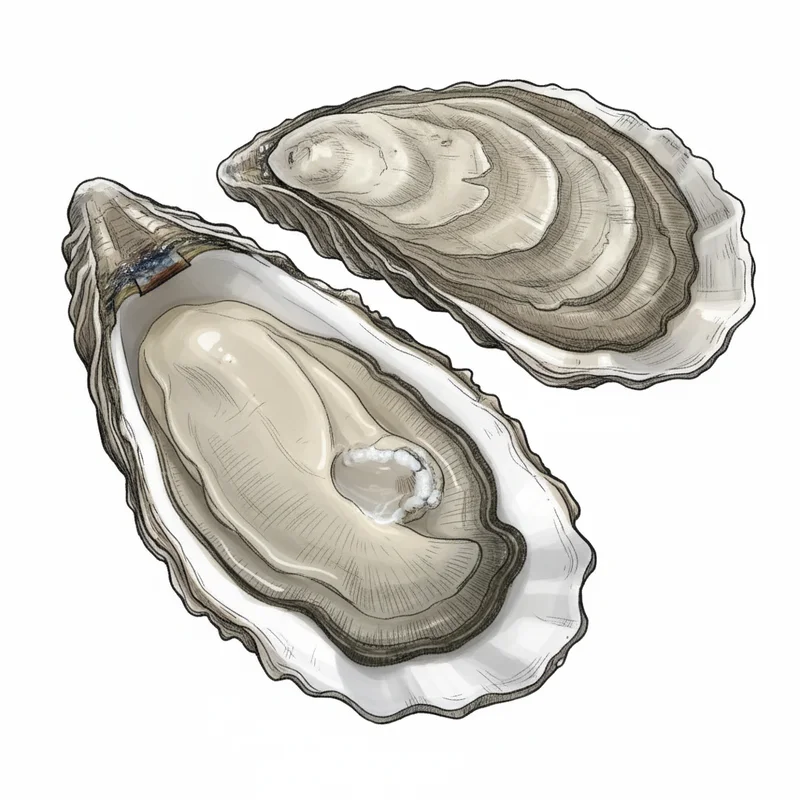
Rochambeau
Crassostrea virginica
Rappahannock Oyster Co.'s mid-salinity oyster, grown at the mouth of the York River near Yorktown, Virginia. Sweet and mildly briny with a clean, crisp finish; saltier than the company's Rappahannock, milder than its Olde Salt.
At a Glance
Rochambeau is an Eastern oyster (Crassostrea virginica) from the US East Coast. It is moderately briny (3/5 brininess) and distinctly sweet (4/5 sweetness), with sweet, mild brine, clean flavors and a finish that is clean and crisp. It is considered a beginner-friendly oyster.
Flavor Profile
Finish
Clean and crisp
Expert Notes
Rochambeau is the middle oyster in Rappahannock Oyster Co.'s range, between the low-salt Rappahannock from Topping and the very salty Olde Salt from Chincoteague. The company grows it at the mouth of the York River, 28 miles from the mouth of the Chesapeake Bay, where it says the oyster picks up far more salt than its Rappahannock while keeping some of the sweetness of the river. It describes Rochambeaus as sweet and mildly briny with a clean, crisp finish, and gives salinity as 16 to 22 parts per thousand; WebstaurantStore, which sells them by the case, says 22 to 26 and adds a toothsome, snappy texture. The name honors the Comte de Rochambeau, the French general at Yorktown in 1781. Older references describe another mid-salinity oyster from the company, Stingray, grown in nearby Mobjack Bay, which has its own profile here. The company's site no longer lists it, and we could not confirm whether Rochambeau replaced it. Origin & Characteristics
- Species
- Crassostrea virginica
- Native to
- USA
- Grown in
- Mouth of the York River, Yorktown, Virginia
- Size
- Medium (no measurement published)
- Shell Color
- Gray-white to tan
- Meat Color
- Ivory to light gray
Where to Try It
Charleston
- Rappahannock Oyster Bar East Bay Street, in the Cigar Factory
On these menus when we checked on October 1, 2026. Raw-bar lists change daily.
What Tasters Say
Across 5 sources, tasters describe this oyster as:
Unique notes: the Goldilocks oyster, toothsome and snappy
"Drawn from the York River in the Chesapeake Bay's median salt range, Rochambeaus are the quintessential Bay oyster: sweet and mildly briny with a clean, crisp finish."
sweetmild brinecleancrisp
"Mildly salty and briny notes upfront with a sweet and crisp finish. Toothsome and snappy texture; 22-26 ppt. salinity"
mild brinesweetcrispfirm
"Quintessential Chesapeake oyster from the Croxton cousins of Rappahannock River fame. Grown near the mouth of the York River. This is their mid-salinity option"
balanced
About the Farm
Rappahannock Oyster Co.
Est. 1899Based in Topping, Virginia; founded by James Croxton in 1899 and run by his great-grandsons Ryan and Travis Croxton.
History & Background
The company says its Rochambeau farm sits at the mouth of the York River, where the French fleet waited during the siege of Yorktown, 28 miles from the mouth of the Chesapeake Bay, and gives the location as Yorktown, Virginia. Its Charleston restaurant prints the origin as Hayes, Virginia. The grower lists salinity at 16 to 22 parts per thousand and WebstaurantStore at 22 to 26; we report both.
The company calls the Rochambeau the Goldilocks oyster for its blend of sweet and salt. Its current list is Rappahannock River oysters, Rochambeau, Olde Salt and Barcat, and it runs restaurants in Topping, Richmond, Washington, Los Angeles and Charleston. On the Charleston menus we read on 2026-10-01 it appeared at Rappahannock Oyster Bar, described in one word as mild.
Did You Know?
- Named for the Comte de Rochambeau, the French general at Yorktown
- Sold by the company as its mild oyster
- Grown 28 miles from the mouth of the Chesapeake Bay
- The company was founded in 1899
Sources & References
This information was compiled from 5 sources.
- Rochambeau Oysters — Rappahannock Oyster Co.
- Rappahannock Oyster Co. Live Rochambeau Oysters - 100/Case — WebstaurantStore
- Rochambeau Oyster — Oysterater
- Our Oysters — Rappahannock Oyster Co.
- Rappahannock Oyster Co. — Wikipedia
Similar Oysters
Butterfield
US East CoastA Casco Bay oyster grown in flipped cages between Moshier and Little Moshier Islands, Maine. Medium brine and a plump sweetness with a clean, bright finish.
Stingray
US East CoastThe quintessential Chesapeake Bay oyster from Mobjack Bay, Virginia. Perfectly balanced between sweet and salty with a clean, crisp finish. Distinctive white shell with black markings.
Eros
US East CoastA slow-grown Maine oyster from floating cages in Robinhood Cove on Georgetown Island. A briny start gives way to a very sweet finish, in a hard, well-cupped shell.
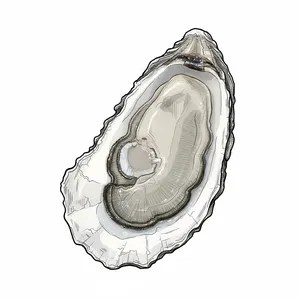
38 Degrees North
US East CoastA balanced Chesapeake Bay oyster. Mild, slightly sweet with refined brine and a clean finish. Firm and meaty from floating cage cultivation.
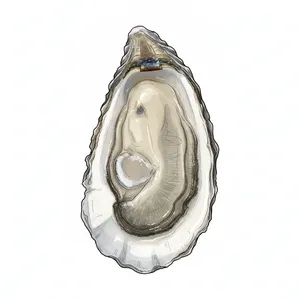
Prince Caspian
US East CoastThe signature oyster of Duxbury Oyster Company, grown on one grant in Duxbury Bay, Massachusetts, since 2000. Firm meat in a deep cup, clean Atlantic salt and a sweet, smooth finish. Named for a Phish song.
Learn More
The Big Five: A Complete Guide to Commercial Oyster Species
Comprehensive guide to C. virginica (Atlantic), C. gigas (Pacific), C. sikamea (Kumamoto), O. lurida (Olympia), and O. edulis (European Flat)
Read article → Biology & SpeciesThe Atlantic Oyster (C. virginica): From Maritime Brine to Gulf Sweetness
Deep dive into America's indigenous East Coast oyster - flavor profiles, regional variations, and famous varieties
Read article → Merroir & EnvironmentWhat Is Merroir? How Water Shapes Oyster Flavor
Merroir is the marine version of terroir: how salinity, temperature, tides, and plankton in the growing water shape an oyster's flavor. The science, plus how to taste it.
Read article →