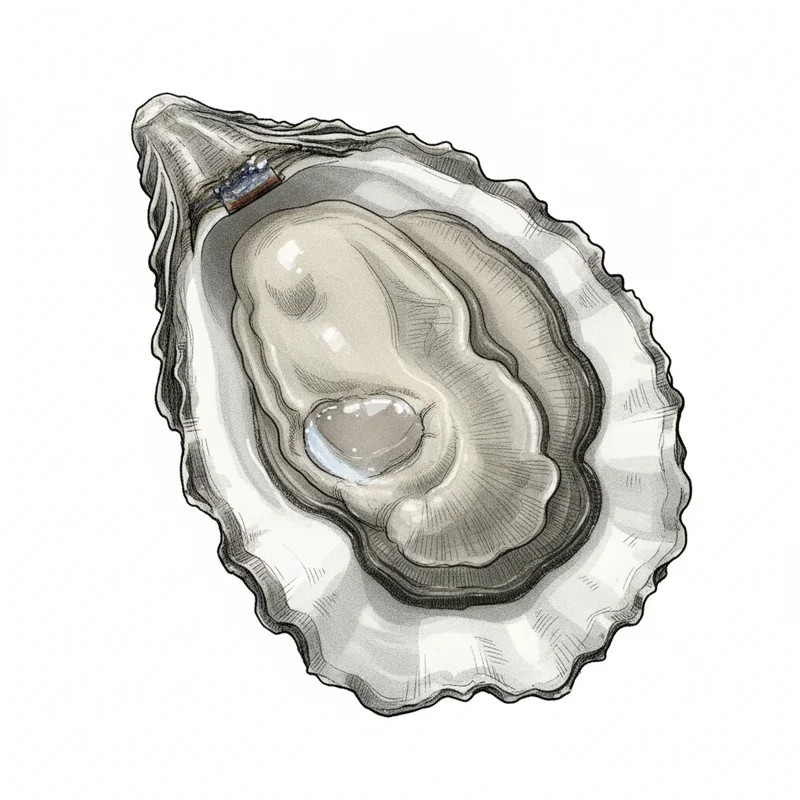
Drakes Baja
Crassostrea gigas
The Pacific oyster now sold under the Drakes name, grown at San Quintín in Baja California for the company that once farmed Drakes Estero in California. The seller describes it as briny, oceanic and fresh; there are no independent tasting notes yet.
At a Glance
Drakes Baja is a Pacific oyster (Crassostrea gigas) from Baja California, Mexico. It is notably briny (4/5 brininess) and subtly sweet (2/5 sweetness), with briny, oceanic flavors and a finish that is clean and oceanic.
Flavor Profile
Finish
Clean and oceanic
Expert Notes
The oyster that San Francisco menus list as Drakes or Drakes Bay now comes from Mexico. Drakes Bay Oyster Company, the Lunny family business that farmed Drakes Estero at Point Reyes until the end of 2014, sells Pacific oysters grown at San Quintín on the Pacific coast of Baja California, and its own site calls them Drakes Baja Oysters. The company describes itself as an importer and distributor that sells straight to restaurants. One San Francisco menu lists the oyster as rack and bag grown. The only tasting language published is the company's own: briny, oceanic, fresh and clear. No independent tasting notes turned up, so the scores here are provisional and kept near the middle. This is a different oyster from the Drakes Estero original, which has its own profile. Origin & Characteristics
- Species
- Crassostrea gigas
- Native to
- Japan
- Grown in
- San Quintín, Baja California, Mexico
- Size
- Medium (no measurement published)
- Shell Color
- Gray-white
- Meat Color
- Cream to light gray
Where to Try It
San Francisco
On these menus when we checked on October 1, 2026. Raw-bar lists change daily.
What Tasters Say
Across 7 sources, tasters describe this oyster as:
Unique notes: clarity, succulent
"A burst of ocean freshness with each succulent bite."
brinyoceanicfresh
"Grown in the mineral-rich, volcanic waters of the San Quintin Pacific Ocean – this Baja Oyster boasts the ultimate freshness & clarity."
freshclean
"The perfect briny, fresh flavor of our Pacific Oysters creates a high-value menu item and experience for your customers."
brinyfresh
About the Farm
Drakes Bay Oyster Company
The Lunny family, a Marin County ranching family, bought the oyster farm in Drakes Estero in 2004 and ran it as Drakes Bay Oyster Company. The farm's lease inside Point Reyes National Seashore was not renewed and the operation shut down in December 2014. The company now sells Pacific oysters from San Quintín, Baja California, to restaurants. Its site says the San Quintín facility is run by its own team and also describes the company as a business-to-business importer and distributor working with trusted growers.
- Cultivation Method
- rack and bag, according to the Waterbar menu
History & Background
San Quintín is where Pacific oyster farming in Mexico started in 1973. The company says it chose the site for its weather and water and that the oysters can be harvested all year. It describes its facility as FDA and COFEPRIS certified.
Bar Crudo in San Francisco lists the oyster as Drakes (Baja) and Waterbar as Drakes Bay, rack and bag in San Quintin, Baja. The company's site quotes Swan Oyster Depot and Capurro's in San Francisco as long-standing customers.
Did You Know?
- The company supplied oyster shell for native Olympia oyster restoration in San Francisco Bay
- By its own account the old Drakes Estero farm grew about a third of California's oysters in 2011
- Sold to restaurants twelve months a year
- The seller's site calls them Drakes Baja Oysters and Baja Pacific Oysters
Sources & References
This information was compiled from 7 sources.
- Our Oyster — Drakes Bay Oyster Company
- Homepage — Drakes Bay Oyster Company
- Our Story — Drakes Bay Oyster Company
- For Restaurants — Drakes Bay Oyster Company
- Menus — Waterbar
- Drakes Bay Oyster Company — Wikipedia
- Cultivo de ostión Crassostrea gigas: Análisis de 40 años de actividades en México — Hidrobiológica (SciELO México)
Similar Oysters
Kumiai
Baja California, MexicoA Pacific oyster from Mexico's Baja California peninsula, grown on racks at Guerrero Negro and then held for two weeks in cold open water off Ensenada. Crisp and briny up front, with cucumber and seaweed notes and a long sweet finish.
Sanctuary
Baja California, MexicoA Pacific oyster from Laguna San Ignacio in Baja California Sur, grown off the bottom by Sol Azul inside the El Vizcaíno Biosphere Reserve. Briny first, then cucumber sweetness and some creaminess, with firm, plump meat.
Indigo
US West CoastA tumbled Pacific oyster grown in suspended cages beside a kelp farm at Hood Head, Washington. High salinity, savory umami and a cucumber finish.
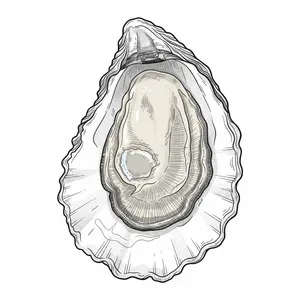
Sister Point
US West CoastBag-started, beach-finished oyster from southern Hood Canal's Great Bend. Thick-shelled with intensely salty, briny flavor and a distinctive cucumber-seaweed finish characteristic of South Sound oysters.
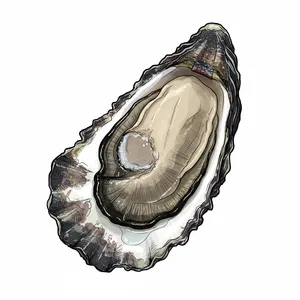
Malaspina
Canada West CoastHardy beach-grown Pacific oyster from Malaspina Inlet, Vancouver Island. Firm and plump with a crisp, briny flavor and distinctive cucumber-like finish. Rugged shells and dark mantle from extreme tidal conditioning.
Learn More
The Big Five: A Complete Guide to Commercial Oyster Species
Comprehensive guide to C. virginica (Atlantic), C. gigas (Pacific), C. sikamea (Kumamoto), O. lurida (Olympia), and O. edulis (European Flat)
Read article → Biology & SpeciesThe Pacific Oyster (C. gigas): Cream, Cucumber, and the Japanese Legacy
Understanding one of the world's most widely farmed oysters - from Japanese origins to West Coast dominance
Read article → Merroir & EnvironmentWhat Is Merroir? How Water Shapes Oyster Flavor
Merroir is the marine version of terroir: how salinity, temperature, tides, and plankton in the growing water shape an oyster's flavor. The science, plus how to taste it.
Read article →