Pacific Ocean

Mexico (Baja California)

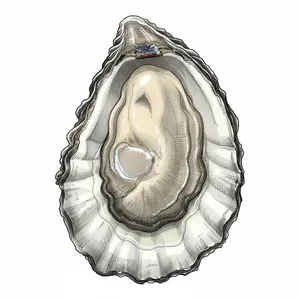
Mexico's half-shell oysters come from the Pacific side of the Baja California peninsula. Pacific oyster farming in Mexico began at Bahía San Quintín in 1973, and farms now work a string of salty coastal lagoons from San Quintín south to Guerrero Negro and Laguna San Ignacio, fed by cold, plankton-rich water that upwells along the California Current. The oysters sold to US raw bars are briny and clean, often with cucumber notes and a sweet finish.

Water Temperature Cool (California Current upwelling)
Salinity High (33-37 ppt in Bahía San Quintín)
Best Seasons Year-round
Primary Species Crassostrea gigas (Pacific), Crassostrea sikamea (Kumamoto)

Typical Flavor Profile

BrinyCleanCucumberSweet

Growing Regions

San Quintín

Bahía FalsaBahía San Quintín

Where Mexico's first Pacific oyster seed was planted in 1973. Farming is confined to Bahía Falsa, the bay's western arm, and upwelling just outside the mouth drives the plankton supply. Salinity rises from the mouth to the head of the bay.
Guerrero Negro

Laguna Guerrero NegroLaguna ManuelaOjo de Liebre

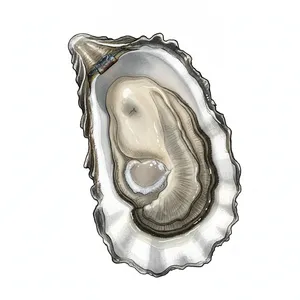
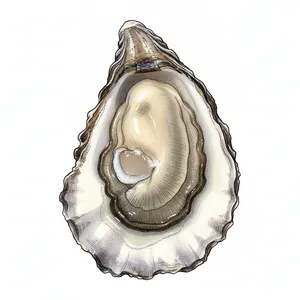
Lagoons on Vizcaíno Bay, where the states of Baja California and Baja California Sur meet. Baja Shellfish Farms raises its Kumiai oysters here on racks and bags, inside the Ojo de Liebre biosphere reserve.

Laguna San Ignacio

Laguna San Ignacio

A remote lagoon in Baja California Sur, inside the El Vizcaíno Biosphere Reserve, that is also a nursery for migrating gray whales. Sol Azul has farmed Pacific and Kumamoto oysters here since 1993 and sells them in the US as Sanctuary.

Famous Varieties

Notable oysters from this region

Perfect Pairings

Traditional accompaniments for Mexico (Baja California) oysters