Wiley Point
Crassostrea virginica
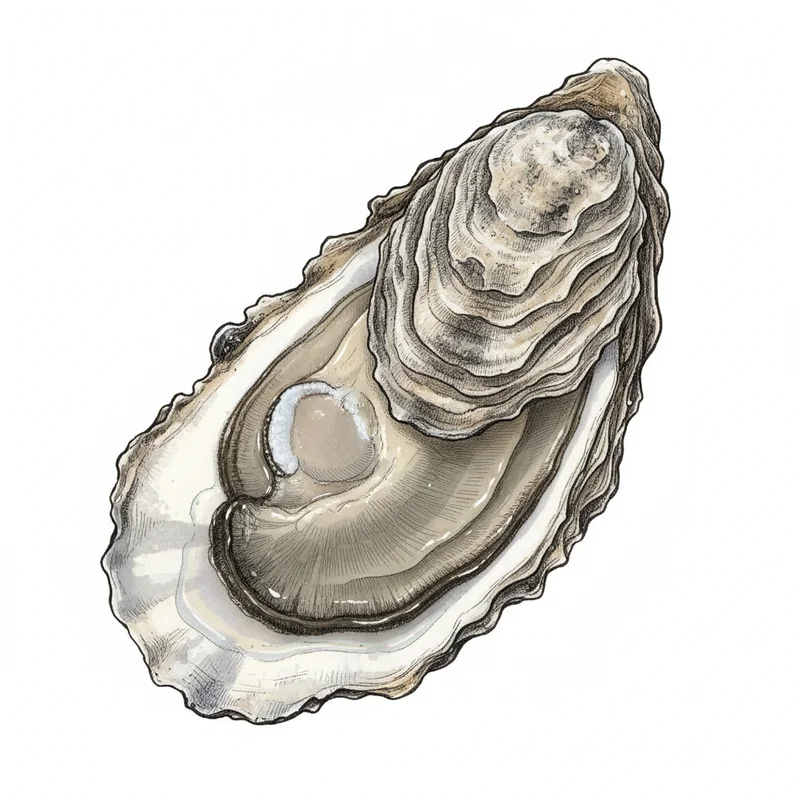
A large Damariscotta River oyster from Mook Sea Farm in Maine. Full meats with a light texture, plenty of salt up front, and a sweet finish that distributors compare to watermelon.
At a Glance
Wiley Point is an Eastern oyster (Crassostrea virginica) from the US East Coast. It is notably briny (4/5 brininess) and moderately sweet (3/5 sweetness), with briny, sweet flavors and a finish that is sweet, with a hint of watermelon.
Flavor Profile
Finish
Sweet, with a hint of watermelon
Expert Notes
Wiley Point is one of the names Mook Sea Farm sells its Damariscotta River oysters under, alongside Pemaquid Point, Mookie Blues, Moondancers and the smaller Wiley Petite. The farm says all of its oysters are raised the same way, in surface cages, and sorted into three sizes; distributors sell Wiley Point as the large grade, at three to four inches. Mook describes the taste as a big briny start and a sweet finish. Distributors add meats that are full but light in texture, relatively high salinity and a hint of watermelon at the end. Older write-ups describe a smaller, bottom-cultured oyster, so the name has covered more than one product over the years. Origin & Characteristics
- Species
- Crassostrea virginica
- Native to
- USA
- Grown in
- Damariscotta River, Maine
- Size
- Large (3-4 inches)
- Shell Color
- Gray-white to tan
- Meat Color
- Ivory to light gray
Where to Try It
New York City
- Crave Fishbar Midtown East
On these menus when we checked on September 30, 2026. Raw-bar lists change daily.
What Tasters Say
Across 6 sources, tasters describe this oyster as:
Unique notes: big briny kiss, sweet-and-sour, buttery
"Our oysters start with a big briny kiss and finish with a sweet glow"
brinysweet
"The meats themselves are full, light in texture, and are of a relatively high salinity."
brinyfulllight
"The meats themselves are large, light in texture, and are of a relatively high salinity with a briny flavor and a finish with a hint of watermelon."
brinylightwatermelon
"I liked the deep cups, but the flaky shell and hooked hinge made these a little more frustrating to open. However, I was rewarded with a sweet and buttery flavor that became more savory and meaty as I chewed."
sweetbutterysavorymeaty
"An engaging sweet-and-sour flavor in this bottom-cultured Damariscotta oyster, and surprisingly low salt; the Damariscotta was getting inundated with fresh water that summer."
sweetsourmild
About the Farm
Mook Sea Farm
Est. 1985Mook Sea Farm was founded in 1985 on the Damariscotta River in Midcoast Maine and raises the Eastern oyster from egg to adult. Island Creek Oysters describes founder Bill Mook as one of the pioneers of oyster farming on the river; his hatchery was one of the first in the Northeast and still supplies seed to many other farms.
- Cultivation Method
- surface cages
History & Background
Mook Sea Farm lists five names for its Damariscotta River oysters: Moondancers, Mookie Blues, Pemaquid Points, Wiley Points and Wiley Petites. It says all of them are cultured the same way, in the same gear, in water of 27 to 30 parts per thousand, and sold in three sizes: 3.5 inches and up, 3 to 3.5 inches, and a cocktail size just under 3 inches. Atlantic Aqua Farms sells Wiley Point as a 3 to 4 inch "large choice" oyster.
This profile was previously published as "Wiley Bay". That name appears in The Oyster Guide's OysterFinder list, where it links to Rowan Jacobsen's note on Wiley Point; no grower or distributor sells an oyster called Wiley Bay. Sources also disagree on how Wiley Points are grown. The grower describes surface cages and Atlantic Aqua Farms describes suspension culture, while Fortune Fish calls them diver-harvested from a subtidal area and Jacobsen's older note calls them bottom-cultured and small.
Did You Know?
- Oysterater describes Wiley Points as the larger version of Pemaquid Points, with Mookie Blues as "kissin' cousins" from the same water
- The farm suggests a dry, hoppy pale ale or IPA, a Chablis or a Muscadet
- Founder Bill Mook's own pick is a dry gin martini with olives
- Available year-round, according to the farm
Sources & References
This information was compiled from 6 sources.
- Our Oysters — Mook Sea Farm
- Wiley Point — Atlantic Aqua Farms
- Wiley Point — Fortune Fish & Gourmet
- Wiley Point/Mookie Blues Oyster — Oysterater
- Maine Oyster Roundup — The Oyster Guide
- OysterFinder — The Oyster Guide
Similar Oysters
Dennis
US East CoastCape Cod Bay oyster from South Dennis, Massachusetts. Plump meat with high brininess balanced by sweetness. Three years of growth in pristine open ocean waters create a rich, clean, and savory flavor profile.
Quivet Neck
US East CoastAward-winning Cape Cod oyster from Dennis mudflats. High brine with plump, firm meat and umami notes that finish sweet and delicate. Grown off-bottom in elevated trays.
Aunt Dotty
US East CoastA small, tray-grown oyster from Saquish Neck in Duxbury Bay, Massachusetts, from Island Creek Oysters. Intensely salty with a nori-like brine, then a rich, nutty sweetness and dense, toothsome meat.
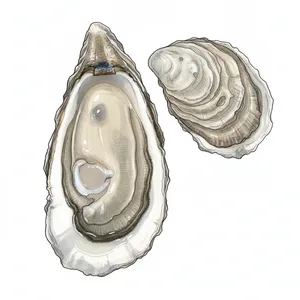
Blish Point
US East CoastA cocktail-size Cape Cod oyster from Barnstable Harbor with deep cups and clean shells. Creamy, plump meat with a solid Cape Cod brine and a sweet seaweed finish.
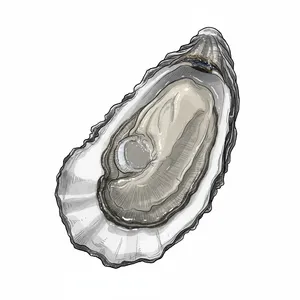
Blue Point (Great South Bay)
US East CoastThe legendary Blue Point oyster, restored to its original Great South Bay home. Full-salt brininess with sweet honeydew finish and distinctive pine and anise notes. A historic American favorite since the 1820s.
Learn More
The Big Five: A Complete Guide to Commercial Oyster Species
Comprehensive guide to C. virginica (Atlantic), C. gigas (Pacific), C. sikamea (Kumamoto), O. lurida (Olympia), and O. edulis (European Flat)
Read article → Biology & SpeciesThe Atlantic Oyster (C. virginica): From Maritime Brine to Gulf Sweetness
Deep dive into America's indigenous East Coast oyster - flavor profiles, regional variations, and famous varieties
Read article → Merroir & EnvironmentWhat Is Merroir? How Water Shapes Oyster Flavor
Merroir is the marine version of terroir: how salinity, temperature, tides, and plankton in the growing water shape an oyster's flavor. The science, plus how to taste it.
Read article →