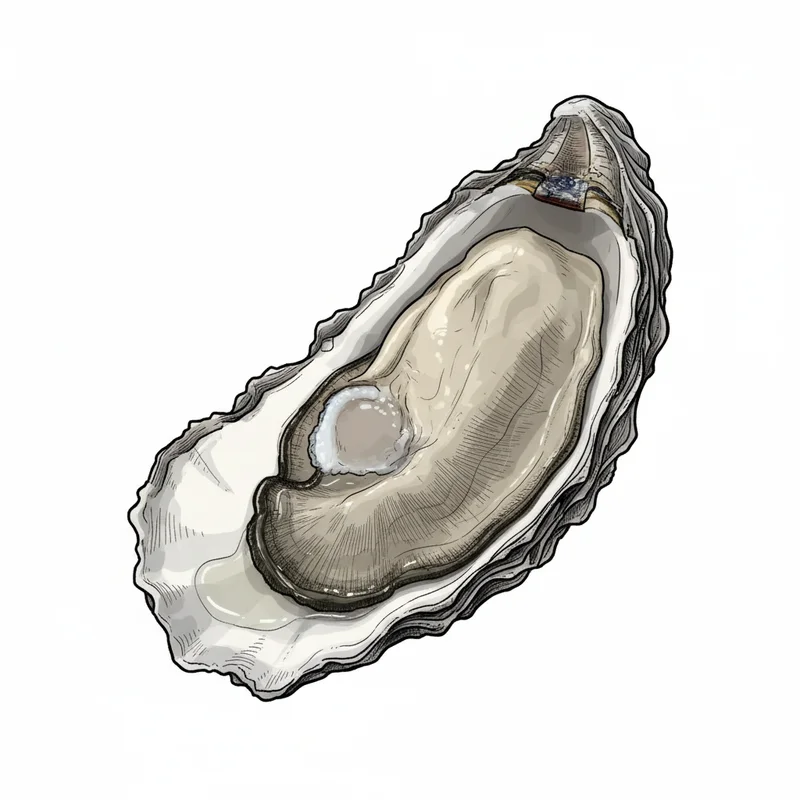
Quivet Neck Oysters
Crassostrea virginica
Award-winning Cape Cod oyster from Dennis mudflats. High brine with plump, firm meat and umami notes that finish sweet and delicate. Grown off-bottom in elevated trays.
At a Glance
Quivet Neck is an Eastern oyster (Crassostrea virginica) from the US East Coast. It is notably briny (4/5 brininess) and moderately sweet (3/5 sweetness), with briny, sweet flavors and a finish that is sweet delicate finish with clean aftertaste.
More oysters like Quivet Neck
Flavor Profile
Finish
Sweet delicate finish with clean aftertaste
Expert Notes
Quivet Neck oysters are award-winning Cape Cod oysters grown off-bottom on mudflats accessible only at low tide. These prize winners deliver high brine up front with plump, firm meat and a nice umami character that develops into a delicate sweetness. Grown in elevated trays and tumbled throughout their 3-year grow-out, they showcase the pristine waters of Cape Cod Bay with uncomfortably fresh brightness and surprising size. Origin & Characteristics
- Species
- Crassostrea virginica
- Native to
- USA
- Grown in
- Quivet Neck Beach, Dennis, Cape Cod Bay, Massachusetts
- Size
- Medium to Large (2.5-3.5 inches)
- Shell Color
- Gray-white
- Meat Color
- Cream to light gray
What Tasters Say
Across 11 sources, tasters describe this oyster as:
Unique notes: pear-like, herbaceous, umami, vegetal (carrots), stringent
"traditional salty Cape Cod flavor, then really sweet and fruity on the finish"
saltysweetfruity
"delicious pear-like tang that is highly unusual in a virginica. The fruitiness is most notable in the spring, along with an herbaceous quality. In the fall, the oysters are fuller and saltier."
pear-likefruityherbaceoussalty
"The oysters we sampled were plump and briny — both signs they were very fresh. They were the kind of oysters you sigh over"
plumpbrinyfresh
"These oysters had a deep shell, on the larger size without the briny taste. Extremely fresh, tender, and firm with a sweet delicate taste."
freshtenderfirmsweetdelicate
"Really superb. A great surprise, honestly these were as good as the best oysters on cape cod. They were bright, uncomfortably fresh, slightly stringent. Amazing size and actually sweet. They were nice and firm, tender, not even a little runny."
brightfreshstringentsweetfirm
"This is hands-down my favorite Cape, and probably Eastern, oyster. Great balance of high brine and strong 'umami' oyster flavor with very plump meats. The Lowell's take great care in selecting oysters to ship so shells are very consistent in size and shape. They also shuck nice and clean since the shells are hard."
brinyumamiplump
"Sweet meat with a crisp and clean finish. Plump and firm texture."
sweetcrispcleanplumpfirm
"A burst of salty ocean water upfront mellows to some nice sweet vegetal notes (carrots, anyone?) and a hint of cream. Opaque meat and a firm texture round out the perfect petite package."
saltysweetvegetalcreamyfirm
About the Farm
Quivet Neck Oyster Farm
Greg Burns bought The Oyster Company Raw Bar & Grille in Dennis Port from oyster farmer Gerry Bojanowski in 2009. The buyout included rights to a one-acre plot at Crowes Pasture in Dennis, where Quivet Neck Creek meets Cape Cod Bay; in 2016 Burns was tending more than 750,000 oysters there in about 200 beds and serving them at the restaurant. John Lowell also raises oysters in off-bottom trays on the flats off Quivet Neck.
- Cultivation Method
- rack and bag
History & Background
Quivet Neck oysters won a blind taste test in Provincetown and were judged as the best tasting oyster on Cape Cod, a result that still does not sit well with Wellfleet residents. The oysters have won several 'Best Oyster' contests over the years.
Called 'the best oyster bargain in Massachusetts' by the Boston Globe. The oysters are grown in conservation lands skirting Quivet Neck Beach in Dennis, Massachusetts.
Did You Know?
- The Oyster Company can access their grant by truck at low tide rather than by boat
- Juvenile oysters are sourced from approved Northeast hatcheries in nearby Brewster or Maine
- Winner of multiple oyster tasting competitions including best on Cape Cod
Sources & References
This information was compiled from 11 sources.
- Quivet Necks from the Oyster Company — The Oyster Guide
- Waterbar: Live the Cousteau Fantasy — The Oyster Guide
- Review: Oysters only a start at outstanding Oyster Company — Cape Cod Times
- Quivet Neck Oyster — Oysterater
- East Dennis Oyster — Oysterater
- Quivet Neck Oysters — upptester
- East Coast Vs West Coast Oysters: The Crave Fishbar Tasting Guide — Crave Fishbar
- Two Million Quivet Neck Oysters Can't Be Wrong — Rockland Trust
- Crowes Pasture Oysters from Dennis, MA — Island Creek Oysters
- Two million Quivet Neck oysters can't be wrong — Boston Globe (sponsored, Rockland Trust)
- Quivet Neck Oyster Farm Gallery - The Oyster Company — The Oyster Company
Similar Oysters
Dennis
US East CoastCape Cod Bay oyster from South Dennis, Massachusetts. Plump meat with high brininess balanced by sweetness. Three years of growth in pristine open ocean waters create a rich, clean, and savory flavor profile.
Wiley Point
US East CoastA large Damariscotta River oyster from Mook Sea Farm in Maine. Full meats with a light texture, plenty of salt up front, and a sweet finish that distributors compare to watermelon.
Aunt Dotty
US East CoastA small, tray-grown oyster from Saquish Neck in Duxbury Bay, Massachusetts, from Island Creek Oysters. Intensely salty with a nori-like brine, then a rich, nutty sweetness and dense, toothsome meat.
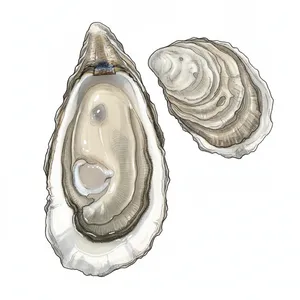
Blish Point
US East CoastA cocktail-size Cape Cod oyster from Barnstable Harbor with deep cups and clean shells. Creamy, plump meat with a solid Cape Cod brine and a sweet seaweed finish.
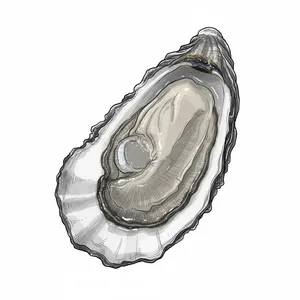
Blue Point (Great South Bay)
US East CoastThe legendary Blue Point oyster, restored to its original Great South Bay home. Full-salt brininess with sweet honeydew finish and distinctive pine and anise notes. A historic American favorite since the 1820s.
Common questions
What do Quivet Neck oysters taste like?
Quivet Neck oysters are notably briny (4/5 brininess) and moderately sweet (3/5 sweetness), with briny and sweet primary flavors and secondary notes described as delicate, fresh, umami, and clean. The finish is sweet delicate finish with clean aftertaste.
Where are Quivet Neck oysters from?
Quivet Neck oysters come from Quivet Neck Beach, Dennis, Cape Cod Bay, Massachusetts, on the US East Coast. The species is Crassostrea virginica (Eastern oyster).
What oysters are similar to Quivet Neck?
Based on our flavor ratings, origin and species, oysters similar to Quivet Neck include Dennis, Wiley Point, and Aunt Dotty.
What goes well with Quivet Neck oysters?
Our guide pairs Quivet Neck oysters with Champagne, Muscadet, Chablis, and Pilsner.
Learn More
The Big Five: A Complete Guide to Commercial Oyster Species
Comprehensive guide to C. virginica (Atlantic), C. gigas (Pacific), C. sikamea (Kumamoto), O. lurida (Olympia), and O. edulis (European Flat)
Read article → Biology & SpeciesThe Atlantic Oyster (C. virginica): From Maritime Brine to Gulf Sweetness
Deep dive into America's indigenous East Coast oyster - flavor profiles, regional variations, and famous varieties
Read article → Merroir & EnvironmentWhat Is Merroir? How Water Shapes Oyster Flavor
Merroir is the marine version of terroir: how salinity, temperature, tides, and plankton in the growing water shape an oyster's flavor. The science, plus how to taste it.
Read article →