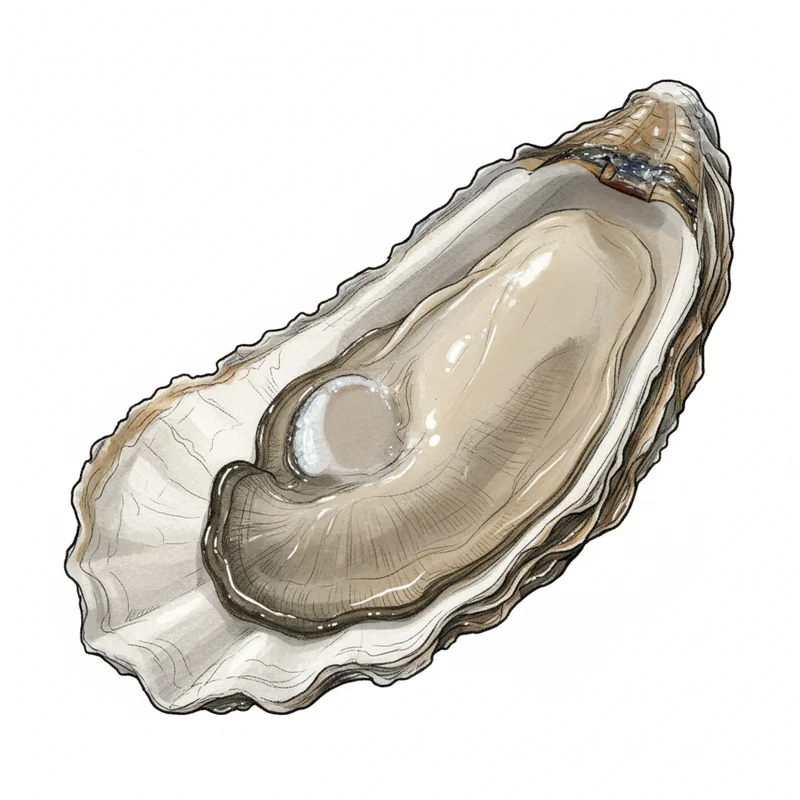
Prince Caspian
Crassostrea virginica
The signature oyster of Duxbury Oyster Company, grown on one grant in Duxbury Bay, Massachusetts, since 2000. Firm meat in a deep cup, clean Atlantic salt and a sweet, smooth finish. Named for a Phish song.
At a Glance
Prince Caspian is an Eastern oyster (Crassostrea virginica) from the US East Coast. It is notably briny (4/5 brininess) and moderately sweet (3/5 sweetness), with briny, sweet, clean flavors and a finish that is sweet, smooth and lingering.
Flavor Profile
Finish
Sweet, smooth and lingering
Expert Notes
Prince Caspian is the signature oyster of Duxbury Oyster Company, farmed on the same grant in Duxbury Bay, Massachusetts, since 2000. Island Creek, also profiled here, comes from the same bay. A travel site that visited the farm reports that John McCluskey and his son Patrick founded it and that Kevin Thompson and Joe Wendel own it now, buying seed from a Maine hatchery and growing it for about two years on a three-acre site. The farm describes high, clean, assertive salt, firm and full meat in a deep cup, and a sweet, smooth, lingering finish. Delaney Oyster House in Charleston rates them medium in both salinity and size, so the brine score here sits between the two. The name comes from a Phish song, which in turn takes it from the prince in C.S. Lewis's Narnia books. Origin & Characteristics
- Species
- Crassostrea virginica
- Native to
- USA
- Grown in
- Duxbury Bay, Massachusetts
- Size
- Medium (no measurement published)
- Shell Color
- Gray-white to tan
- Meat Color
- Ivory to light gray
Where to Try It
Charleston
- Delaney Oyster House Downtown peninsula
On these menus when we checked on October 1, 2026. Raw-bar lists change daily.
What Tasters Say
Across 3 sources, tasters describe this oyster as:
Unique notes: brave brine, smooth, lingering finish
"Brine: High — clean, assertive Atlantic saltiness. Meat: Firm, full, deep-cupped. Finish: Sweet, smooth, lingering."
brinycleanfirmsweetsmooth
"Prince Caspians, MA: salinity MED, size MED"
medium salinity
"They have a unique flavor profile – briny and delicious!"
briny
About the Farm
Duxbury Oyster Company
Est. 2000Inbound Destinations reports that John McCluskey and his son Patrick founded the company in 2000 and that it is now owned and run by two college friends, Kevin Thompson and Joe Wendel. Besides farming it wholesales and ships oysters, and its site lists a collective of other Duxbury farms it sells for.
- Cultivation Method
- hatchery seed grown out in baskets for about two years
History & Background
The farm says the oyster has been grown on the same grant in Duxbury Bay since 2000. Inbound Destinations, which toured the farm in 2025, describes seedlings a few millimeters long bought from a commercial hatchery in Maine, a three-acre site, and about two years to maturity as the oysters are moved to larger baskets.
The farm takes the name from "Prince Caspian," a song on Phish's 1994 album Hoist, itself named for the prince in C.S. Lewis's 1951 book. Delaney Oyster House in Charleston listed Prince Caspians on its menu dated 09.30.26.
Did You Know?
- Named for a Phish song
- Farmed on the same grant since 2000
- The farm calls it a seafarer of noble shell and brave brine
- Seed comes from a hatchery in Maine
Sources & References
This information was compiled from 3 sources.
- Prince Caspian Oysters — Duxbury Oyster Company
- Duxbury Oyster Company – Duxbury, MA — Inbound Destinations
- Main menu (09.30.26) — Delaney Oyster House
Similar Oysters
Pemaquid
US East CoastA Maine institution. Large, powerful oysters with rock-hard shells, plump firm meats, and clean briny-sweet flavor with lemony zest.
Chunu
US East CoastPremium cocktail-sized oyster from Virginia's Eastern Shore. Similar in size to Kumamotos but with East Coast character—highly salty, smooth, and sweet with a deep cup and firm texture.
Misty Point
US East CoastPremium Virginia oyster from Pope's Bay on the Eastern Shore. Exceptionally plump with sharp, high salinity upfront that fades into bright, sweet hints of celery and melon. Deep-cupped with superior meat-to-shell ratio.
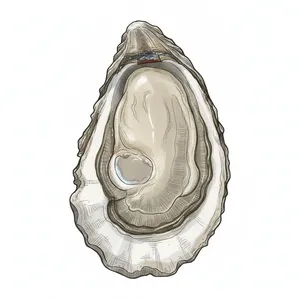
Mookie Blue
US East CoastA cocktail-size Damariscotta River oyster from Mook Sea Farm in Maine. Strong salt up front, then a sweet cucumber finish, from floating cages the farm harvests year-round.
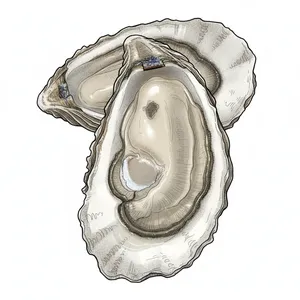
Steamboat Creek
US East CoastA farmed South Carolina oyster from Steamboat Creek at the north end of Edisto Island, sold mostly to Charleston restaurants. A medium, deep-cupped oyster with plump meat, a salty start and a sweet finish. Not the Steamboat oyster of Washington State.
Learn More
The Big Five: A Complete Guide to Commercial Oyster Species
Comprehensive guide to C. virginica (Atlantic), C. gigas (Pacific), C. sikamea (Kumamoto), O. lurida (Olympia), and O. edulis (European Flat)
Read article → Biology & SpeciesThe Atlantic Oyster (C. virginica): From Maritime Brine to Gulf Sweetness
Deep dive into America's indigenous East Coast oyster - flavor profiles, regional variations, and famous varieties
Read article → Merroir & EnvironmentWhat Is Merroir? How Water Shapes Oyster Flavor
Merroir is the marine version of terroir: how salinity, temperature, tides, and plankton in the growing water shape an oyster's flavor. The science, plus how to taste it.
Read article →