Oishi
Crassostrea gigas
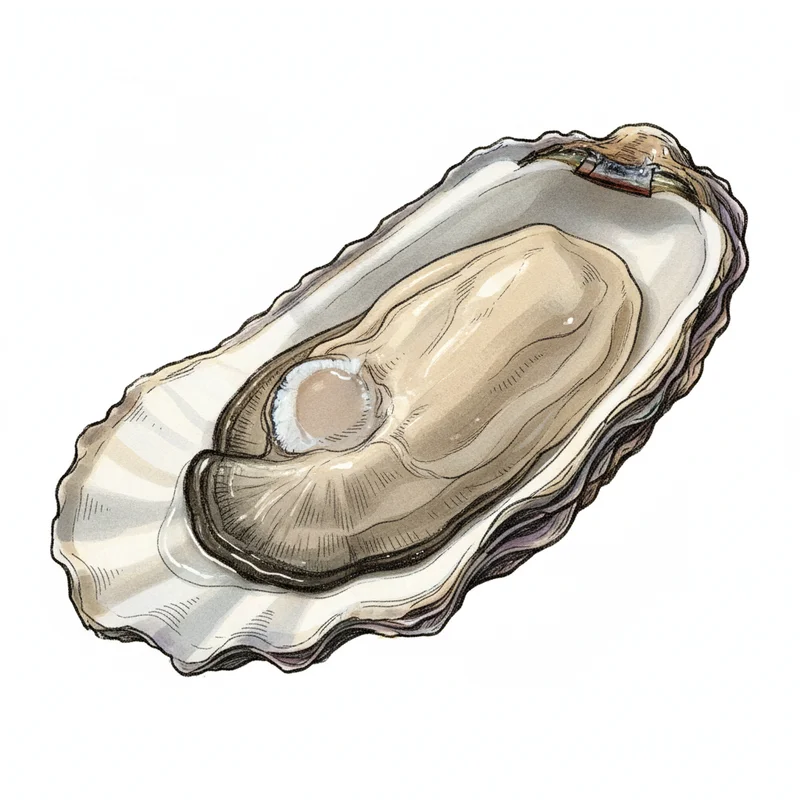
A small, tide-tumbled Pacific oyster from Skagit Bay, Washington. Low in salt, plump for its size, and finished with a clean, lingering cucumber note. The same farm sells its larger grades as Ichiban and Tubby.
At a Glance
Oishi is a Pacific oyster (Crassostrea gigas) from the US West Coast. It is mildly briny (2/5 brininess) and moderately sweet (3/5 sweetness), with cucumber, mild, sweet flavors and a finish that is clean, lingering cucumber. It is considered a beginner-friendly oyster.
Flavor Profile
Finish
Clean, lingering cucumber
Expert Notes
Oishi is the small size of Skagit Shellfish's tide-tumbled Pacific oyster from Skagit Bay, Washington. The bay takes in a lot of river water, so the oysters carry very little salt; one retailer compares them to spring vegetables. The grower raises them in flip bags on intertidal beds, where waves and tide turn them constantly and shape a deep, round cup with a smooth, hard shell. The meat is plump and fatty for its size, and it finishes with a clean cucumber note that every source mentions. Origin & Characteristics
- Species
- Crassostrea gigas
- Native to
- Japan
- Grown in
- Skagit Bay, Washington
- Size
- Small (2-2.5 inches)
- Shell Color
- Smooth, tide-tumbled shell
- Meat Color
- Cream to ivory
Where to Try It
New York City
- Crave Fishbar Midtown East
On these menus when we checked on September 30, 2026. Raw-bar lists change daily.
San Francisco
- Foreign Cinema Mission District
On these menus when we checked on October 1, 2026. Raw-bar lists change daily.
Seattle
- Elliott's Oyster House Waterfront
On these menus when we checked on October 1, 2026. Raw-bar lists change daily.
What Tasters Say
Across 7 sources, tasters describe this oyster as:
Unique notes: spring vegetables, crisp
"Plump meats, low salinity, and a clean cucumber finish"
plumpmildcleancucumber
"Oishis are known for their mild salinity, subtle sweetness and clean, lingering cucumber finish."
mildsweetcleancucumber
"These wonderful live oysters are crisp and fresh like spring vegetables, thanks to the low salinity of Skagit Bay from so much Skagit River influx."
crispfreshvegetalmild
About the Farm
Skagit Shellfish
Skagit Shellfish farms Skagit Bay and has been in business for more than 35 years, according to its Pangea Shellfish profile. The farm's own product pages sell Oishi under the name Trans Ocean Seafoods Inc., alongside larger sizes called Ichiban and Tubby.
- Cultivation Method
- intertidal flip bags (tide tumbled)
History & Background
Skagit Bay is fed by glacier-melt rivers and exchanges water with the ocean through Deception Pass. The grower describes it as one of the cleanest bays in Washington, with a sand and mud bottom. Oishi oysters take about two years to reach market size.
The grower says it has started using degradable insulated packaging in place of styrofoam and is testing biodegradable oyster netting.
Did You Know?
- Oishi is the small size; the same farm sells larger oysters as Ichiban and Tubby
- The bags flip with every tide, which tumbles the oysters without machinery
- Pangea Shellfish suggests pairing them with Lambrusco
- Sold in mesh bags of 24 or 60
Sources & References
This information was compiled from 7 sources.
- Oishi Oyster — Pangea Shellfish Oysterology
- Oishi Oysters — Skagit Shellfish
- Oishi Oysters — H&H Fresh Fish
- "Oishi" Small Pacific Oysters from Skagit Bay — Salinity Seafood & More
- Ichiban Oyster — Pangea Shellfish Oysterology
- Ichiban Oysters — Skagit Shellfish
- Tubby Oysters — Skagit Shellfish
Similar Oysters
French Hog
US West CoastA large, buttery Pacific oyster from Tomales Bay, California. Mild and refined with distinctive cucumber and melon notes. Farmed using traditional French rack and bag methods.
Hammersley Inlet
US West CoastBeach-grown Pacific oyster from South Puget Sound's Hammersley Inlet. Plump and sweet with mild saltiness, rich body, and a distinctive cucumber-melon finish. Grown in nutrient-dense waters for excellent meat-to-shell ratio.
Rock Point
US West CoastA small, beach-raised Pacific oyster from Dabob Bay in Washington's Hood Canal. Sweet and savory with melon and cucumber notes, in a hard shell that shucks cleanly.
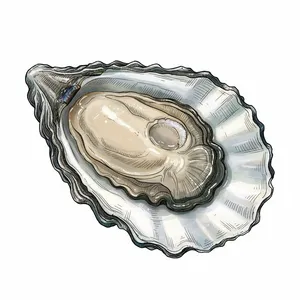
Shigoku
US West CoastTumbled Pacific with firm texture. Cucumber, melon, clean brine.
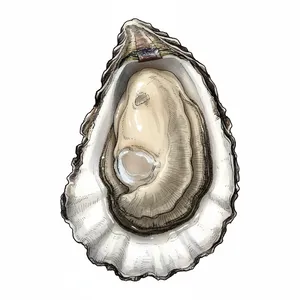
Dosewallips
US West CoastBeach-grown Pacific oyster from central Hood Canal where the Dosewallips River meets the sea. Sweet and cucumbery with a creamy texture, balanced brininess, and a light, clean finish.
Learn More
The Big Five: A Complete Guide to Commercial Oyster Species
Comprehensive guide to C. virginica (Atlantic), C. gigas (Pacific), C. sikamea (Kumamoto), O. lurida (Olympia), and O. edulis (European Flat)
Read article → Biology & SpeciesThe Pacific Oyster (C. gigas): Cream, Cucumber, and the Japanese Legacy
Understanding one of the world's most widely farmed oysters - from Japanese origins to West Coast dominance
Read article → Merroir & EnvironmentWhat Is Merroir? How Water Shapes Oyster Flavor
Merroir is the marine version of terroir: how salinity, temperature, tides, and plankton in the growing water shape an oyster's flavor. The science, plus how to taste it.
Read article →