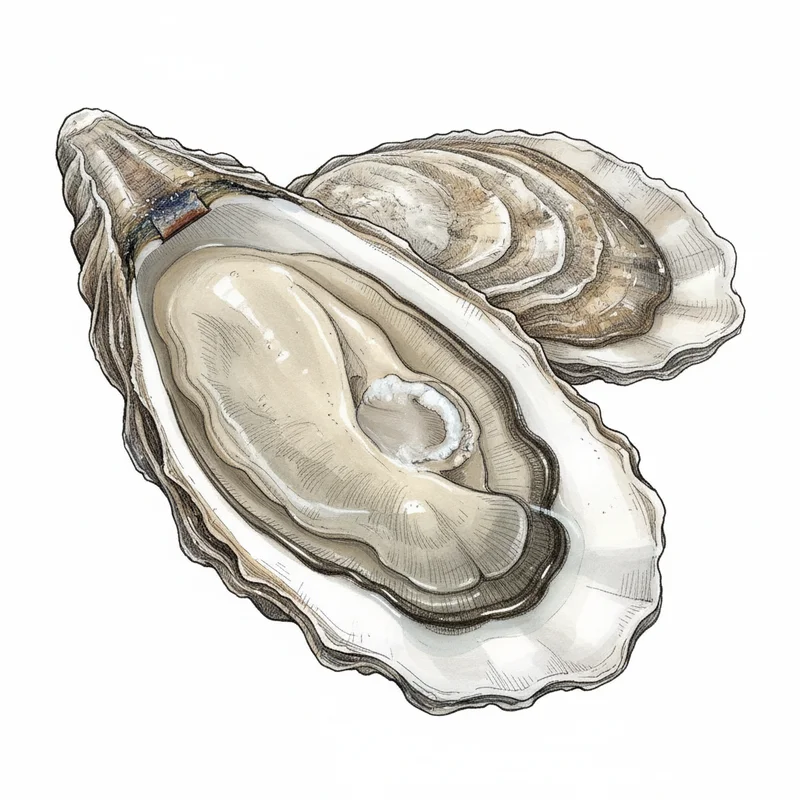
Topsail Jewels
Crassostrea virginica
A farmed North Carolina oyster from Ghost Fleet Oyster Co., grown in the waters around Topsail Island. Bright and salty with a slight sweetness; tasting notes in print are few.
At a Glance
Topsail Jewels is an Eastern oyster (Crassostrea virginica) from the US East Coast. It is notably briny (4/5 brininess) and moderately sweet (3/5 sweetness), with briny, bright flavors and a finish that is salty, with a little sweetness.
Flavor Profile
Finish
Salty, with a little sweetness
Expert Notes
Topsail Jewels are the flagship oyster of Ghost Fleet Oyster Co., the farm Cody and Rachel Faison started in 2019 at Hampstead, North Carolina. The company says it farms in the waters off North Topsail Beach and in the New River, raising oysters from four-millimeter seed to market in nine to eighteen months; a travel writer who took the farm tour describes floating cages. Published tasting notes are few and short. Wilmington NC Magazine reports slight sweetness and high salinity, a television reporter who ate one at the boat ramp called it bright and salty, and Delaney Oyster House in Charleston lists them as high in salinity and large. The scores here follow those three and should be read as provisional. The farm is also known for its tours and for a free shell-recycling service for restaurants, and takes its name from the shipwrecks off the North Carolina coast. Origin & Characteristics
- Species
- Crassostrea virginica
- Native to
- USA
- Grown in
- North Topsail Beach, North Carolina, New River, North Carolina
- Size
- Medium to Large (no measurement published)
- Shell Color
- Gray-white to tan
- Meat Color
- Ivory to light gray
Where to Try It
Charleston
- Delaney Oyster House Downtown peninsula
On these menus when we checked on October 1, 2026. Raw-bar lists change daily.
What Tasters Say
Across 6 sources, tasters describe this oyster as:
Unique notes: slight sweetness, bright, salty taste
"Grown off the coast of Topsail Island, these oysters are known for its slight sweetness and high salinity."
sweethigh salinity
"They have a bright, salty taste, when cracking one open and eating it raw by the boat launch."
brightsalty
"Topsail Jewels, NC: salinity HIGH, size LG"
high salinity
About the Farm
Ghost Fleet Oyster Co.
Est. 2019Cody Faison, a former fireman with some culinary training, and Rachel Faison, an environmental scientist, started farming oysters in 2019 and began farm tours in 2021. Both are licensed captains. About half the business is oyster sales; the rest is tours and education. The farm collects oyster shell from restaurants at no charge and delivers it to the North Carolina Coastal Federation for reef restoration.
- Cultivation Method
- floating cages
History & Background
The company's site says it farms in the waters of North Topsail Beach and in the New River, and that an oyster takes nine to eighteen months to reach size. Other accounts place the farm a little differently: Spectrum News describes it as in the sound near Surf City, and a 2025 travel article says the company is based in Sneads Ferry with farms in Onslow and Pender counties.
The name Ghost Fleet refers to the shipwrecks off the North Carolina coast, known as the Graveyard of the Atlantic. Delaney Oyster House in Charleston listed Topsail Jewels on its menu dated 09.30.26. The farm is a stop on the NC Oyster Trail.
Did You Know?
- One restaurant in the shell-recycling program had passed a ton of shell by 2022
- Tours include a small harvest that is tagged, chilled and shucked on the boat
- Both farmers are licensed captains
- The owners named the farm after a poster about Atlantic shipwrecks
Sources & References
This information was compiled from 6 sources.
- Our Story — Ghost Fleet Oyster Co.
- Farm Fresh ~ Ghost Fleet Oyster Co. — NC Oyster Trail
- Ghost Fleet Oyster Company: Shells with a Second Life — Wilmington NC Magazine
- Raw, smoked or fried? The oyster industry is growing in North Carolina — NC Oyster Trail
- Why You Need to Book a Coastal Carolina Oyster Farm Tour — Honest and Truly Travels
- Main menu (09.30.26) — Delaney Oyster House
Similar Oysters
Chunu
US East CoastPremium cocktail-sized oyster from Virginia's Eastern Shore. Similar in size to Kumamotos but with East Coast character—highly salty, smooth, and sweet with a deep cup and firm texture.
Misty Point
US East CoastPremium Virginia oyster from Pope's Bay on the Eastern Shore. Exceptionally plump with sharp, high salinity upfront that fades into bright, sweet hints of celery and melon. Deep-cupped with superior meat-to-shell ratio.
Mookie Blue
US East CoastA cocktail-size Damariscotta River oyster from Mook Sea Farm in Maine. Strong salt up front, then a sweet cucumber finish, from floating cages the farm harvests year-round.
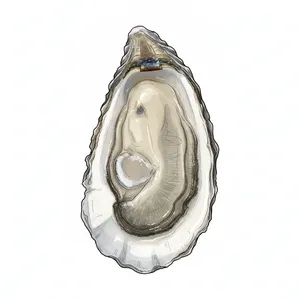
Prince Caspian
US East CoastThe signature oyster of Duxbury Oyster Company, grown on one grant in Duxbury Bay, Massachusetts, since 2000. Firm meat in a deep cup, clean Atlantic salt and a sweet, smooth finish. Named for a Phish song.
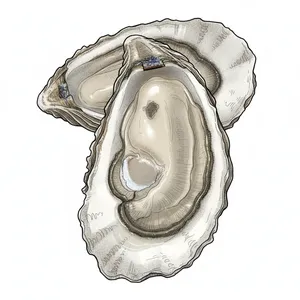
Steamboat Creek
US East CoastA farmed South Carolina oyster from Steamboat Creek at the north end of Edisto Island, sold mostly to Charleston restaurants. A medium, deep-cupped oyster with plump meat, a salty start and a sweet finish. Not the Steamboat oyster of Washington State.
Learn More
The Big Five: A Complete Guide to Commercial Oyster Species
Comprehensive guide to C. virginica (Atlantic), C. gigas (Pacific), C. sikamea (Kumamoto), O. lurida (Olympia), and O. edulis (European Flat)
Read article → Biology & SpeciesThe Atlantic Oyster (C. virginica): From Maritime Brine to Gulf Sweetness
Deep dive into America's indigenous East Coast oyster - flavor profiles, regional variations, and famous varieties
Read article → Merroir & EnvironmentWhat Is Merroir? How Water Shapes Oyster Flavor
Merroir is the marine version of terroir: how salinity, temperature, tides, and plankton in the growing water shape an oyster's flavor. The science, plus how to taste it.
Read article →