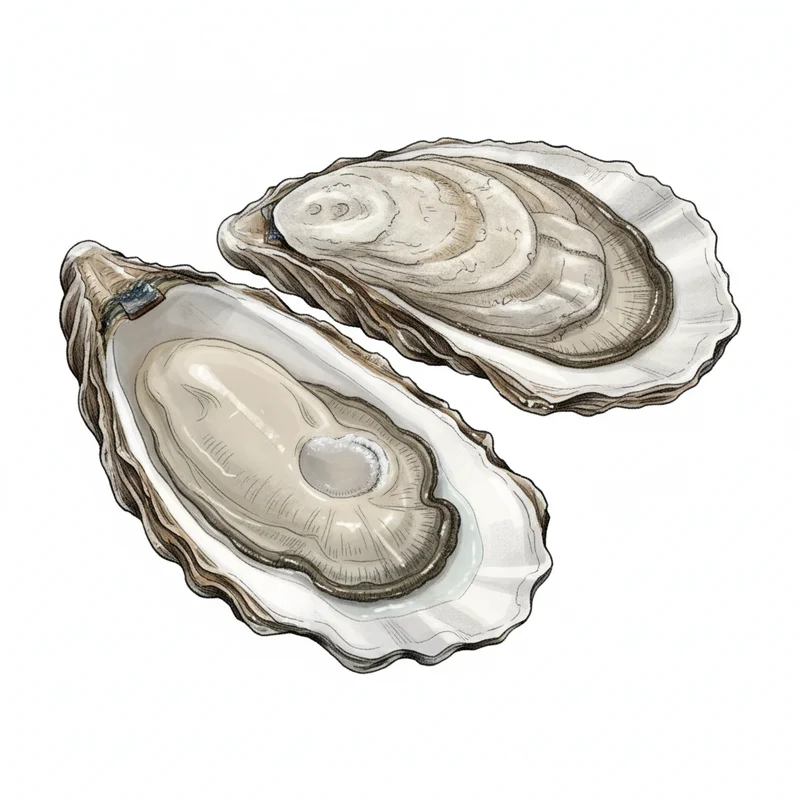
Pleasant Cove
Crassostrea virginica
A small, round oyster from a cove at the mouth of Maine's Damariscotta River, shaped by wave action rather than tumbling. Salty up front, with moderate minerality and a smooth, sweet finish.
At a Glance
Pleasant Cove is an Eastern oyster (Crassostrea virginica) from the US East Coast. It is moderately briny (3/5 brininess) and moderately sweet (3/5 sweetness), with briny, sweet, smooth flavors and a finish that is smooth and sweet. It is considered a beginner-friendly oyster.
Flavor Profile
Finish
Smooth and sweet
Expert Notes
Pleasant Cove oysters grow in cages on two acres at the mouth of the Damariscotta River in Maine, in a cove close enough to the open ocean that each tide flushes the farm with fresh food. Clay Gilbert, a lobsterman, and Greg Johnson, a small-business owner, started the farm in 2019. Island Creek Oysters, which sells them, says the wave action at the river mouth shapes the oysters without any hand tumbling, giving round, evenly cupped, very clean shells of about 2.5 inches, and describes a salty brine up front that finishes smooth and sweet. The Maine Oyster Company's summary is upfront brine, moderate minerality and a sweet finish, though it rates the brine mild. The two sellers also differ on the gear: Island Creek says the oysters are top cultured in cages, the Maine Oyster Company lists bottom cages. Origin & Characteristics
- Species
- Crassostrea virginica
- Native to
- USA
- Grown in
- Mouth of the Damariscotta River, Maine
- Size
- Small (about 2.5 inches)
- Shell Color
- Clean gray-white to tan
- Meat Color
- Ivory to light gray
Where to Try It
Boston
- Row 34 Fort Point, Seaport
On these menus when we checked on October 1, 2026. Raw-bar lists change daily.
Charleston
- Chubby Fish Coming Street
On these menus when we checked on October 1, 2026. Raw-bar lists change daily.
Portland, Maine
- The Shop by Island Creek Oysters Washington Avenue
On these menus when we checked on October 1, 2026. Raw-bar lists change daily.
What Tasters Say
Across 2 sources, tasters describe this oyster as:
Unique notes: moderate minerality, salty brine upfront
"Regular contact with ocean water gives a nice, salty brine upfront that finishes smooth and sweet."
brinysmoothsweet
"Upfront brine, moderate minerality, sweet finish"
brinymineralsweet
About the Farm
Pleasant Cove Oysters
Est. 2019Island Creek Oysters says Pleasant Cove was started in 2019 by Clay Gilbert, a lobsterman, and Greg Johnson, a small-business owner. For Gilbert, oysters were a natural next step: he knew the water and already had most of the equipment.
- Cultivation Method
- cages; sellers differ on whether at the surface or on the bottom
History & Background
The farm covers two acres in a cove at the mouth of the Damariscotta River. Island Creek Oysters says its nearness to the ocean means the tide flushes the oysters with food and nutrients, and that the river mouth gets a great deal of wave action.
Row 34 in Boston and The Shop by Island Creek Oysters in Portland, Maine, both list Pleasant Cove. The Maine Oyster Company places the farm about 2.5 miles from Johns River.
Did You Know?
- Shaped by waves, with no hand tumbling or shaking
- Farmed on two acres
- Island Creek Oysters lists the size at about 2.5 inches
- The Maine Oyster Company rates the sweetness medium and the brine mild
Sources & References
This information was compiled from 2 sources.
- Pleasant Cove Oysters from Damariscotta, ME — Island Creek Oysters
- Pleasant Cove — The Maine Oyster Company
Similar Oysters
Jupiter Point
US East CoastLarge, deep-cupped oyster from the Noank River in Connecticut. Highly briny with a sweet finish and wonderfully firm texture. A slightly lighter, more accessible cousin to the famous Mystic oyster.
Ned's Island
US East CoastClassic Long Island Sound oyster from Connecticut waters. Deep-cupped with lively brine and complex flavor from tawny algae. Citrusy notes balance the strong salinity with a fresh, clean finish.
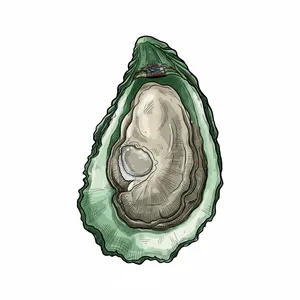
North Haven
US East CoastA distinctive Maine oyster from North Haven Island. Round and heavy with bright emerald green shells. Perfectly balanced earthiness and brine with honey and melon notes, finishing clean and mellow.
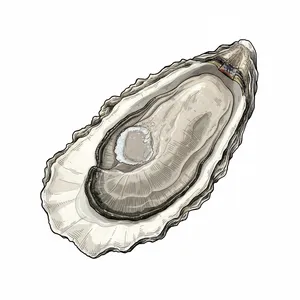
Pemaquid
US East CoastA Maine institution. Large, powerful oysters with rock-hard shells, plump firm meats, and clean briny-sweet flavor with lemony zest.
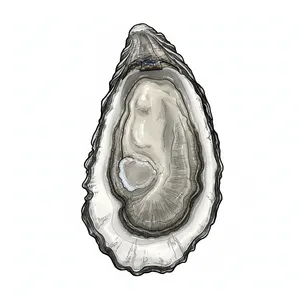
Pine Island
US East CoastHistoric Long Island Sound oyster harvested by traditional dredge methods since 1887. Large, robust shells with full meats. Balanced brine and sweetness with a crisp texture and sweet finish.
Learn More
The Big Five: A Complete Guide to Commercial Oyster Species
Comprehensive guide to C. virginica (Atlantic), C. gigas (Pacific), C. sikamea (Kumamoto), O. lurida (Olympia), and O. edulis (European Flat)
Read article → Biology & SpeciesThe Atlantic Oyster (C. virginica): From Maritime Brine to Gulf Sweetness
Deep dive into America's indigenous East Coast oyster - flavor profiles, regional variations, and famous varieties
Read article → Merroir & EnvironmentWhat Is Merroir? How Water Shapes Oyster Flavor
Merroir is the marine version of terroir: how salinity, temperature, tides, and plankton in the growing water shape an oyster's flavor. The science, plus how to taste it.
Read article →