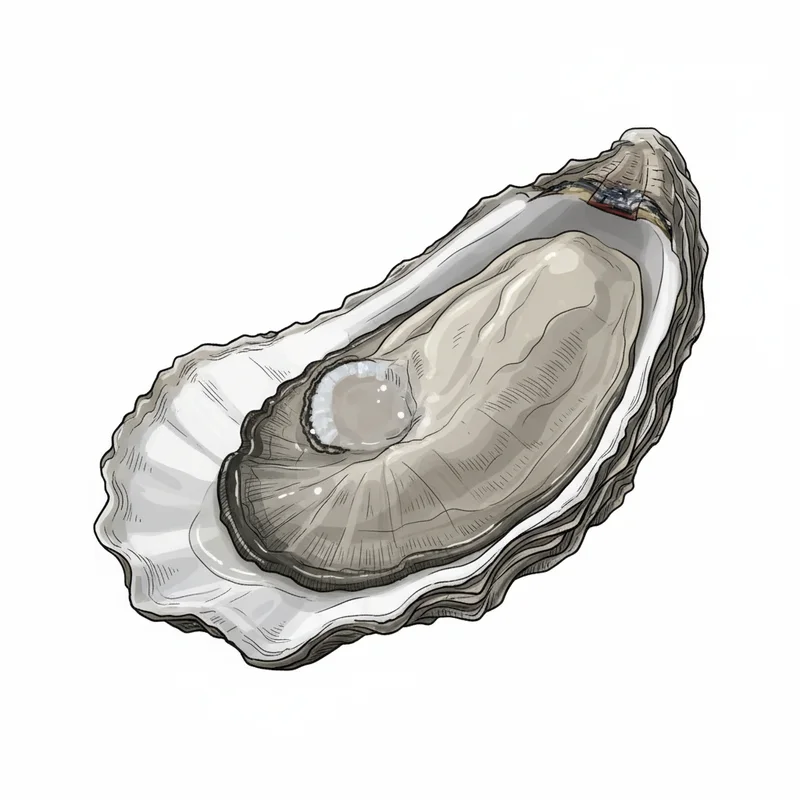
Jupiter Point Oysters
Crassostrea virginica
Large, deep-cupped oyster from the Noank River in Connecticut. Highly briny with a sweet finish and wonderfully firm texture. A slightly lighter, more accessible cousin to the famous Mystic oyster.
At a Glance
Jupiter Point is an Eastern oyster (Crassostrea virginica) from the US East Coast. It is notably briny (4/5 brininess) and moderately sweet (3/5 sweetness), with briny, sweet flavors and a finish that is sweet, clean, balanced.
More oysters like Jupiter Point
Flavor Profile
Finish
Sweet, clean, balanced
Expert Notes
Jupiter Point oysters are raised in the Noank River estuary, right around the bend from the famous Mystic oysters. These large, wonderfully firm oysters feature deeper cups and a slightly lighter flavor profile than their Mystic neighbors. Highly briny with a distinctive touch of sweetness on the finish, they deliver excellent firm texture and clean mineral notes. Their balanced intensity makes them more accessible than the graduate-level Mystics while still offering substantial flavor. Origin & Characteristics
- Species
- Crassostrea virginica
- Native to
- USA
- Grown in
- Noank River, Noank, Connecticut
- Size
- Large (3-5 inches)
- Shell Color
- Gray-white
- Meat Color
- Light gray to cream
Perfect Pairings
What Tasters Say
Across 3 sources, tasters describe this oyster as:
"Highly briny with a touch of sweetness on the finish and good firm texture"
brinysweetfirm
About the Farm
History & Background
Jupiter Point is a location in the Noank River area near Groton, Connecticut, known for oyster cultivation. The area has historical significance in Long Island Sound's oyster farming tradition, with oysters being relayed between inshore and deep water sites.
Part of Connecticut's Noank oyster region, which includes other notable varieties. Often described as a cousin to the famous Mystic oyster.
Did You Know?
- The oyster is named after Jupiter Point, a geographical location between Jupiter Point and Bluff Point in Groton, Connecticut
- Featured in Feast Magazine's 'Oysters Coast to Coast' feature as a representative East Coast oyster
Sources & References
This information was compiled from 3 sources.
- Oysters Coast To Coast — Feast Magazine
- Effect of Temperature Changes on Competitive and Predator-Prey Interactions in Coastal Epi-Benthic Communities — University of Connecticut OpenCommons
- Submerged Aquatic Vegetation - Long Island Sound Partnership — Long Island Sound Partnership
Similar Oysters
Ned's Island
US East CoastClassic Long Island Sound oyster from Connecticut waters. Deep-cupped with lively brine and complex flavor from tawny algae. Citrusy notes balance the strong salinity with a fresh, clean finish.
Pemaquid
US East CoastA Maine institution. Large, powerful oysters with rock-hard shells, plump firm meats, and clean briny-sweet flavor with lemony zest.
Blue Point (Great South Bay)
US East CoastThe legendary Blue Point oyster, restored to its original Great South Bay home. Full-salt brininess with sweet honeydew finish and distinctive pine and anise notes. A historic American favorite since the 1820s.
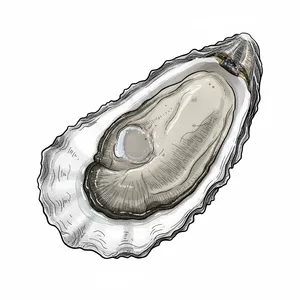
Broadwater
US East CoastA Virginia oyster grown in Chesapeake waters and finished on the Atlantic side for enhanced salinity. Plump, smooth meat with lively brininess and complex flavor that sets it apart from typical Chesapeake oysters.
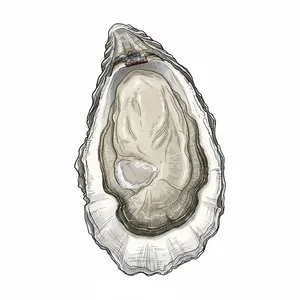
Bulls Bay
US East CoastHistoric South Carolina oyster from Bulls Bay. Large and meaty with a firm texture, pronounced briny flavor, and distinctive sweet finish. Shaped by high salinity coastal waters with peak flavor in colder months.
Common questions
What do Jupiter Point oysters taste like?
Jupiter Point oysters are notably briny (4/5 brininess) and moderately sweet (3/5 sweetness), with briny and sweet primary flavors and secondary notes described as mineral, firm, and clean. The finish is sweet, clean, balanced.
Where are Jupiter Point oysters from?
Jupiter Point oysters come from Noank River, Noank, Connecticut, on the US East Coast. The species is Crassostrea virginica (Eastern oyster).
What oysters are similar to Jupiter Point?
Based on our flavor ratings, origin and species, oysters similar to Jupiter Point include Ned's Island, Pemaquid, and Blue Point (Great South Bay).
What goes well with Jupiter Point oysters?
Our guide pairs Jupiter Point oysters with IPA, Champagne, Moët & Chandon Nectar Imperial, Hoppy Beer, and Muscadet.
Learn More
The Big Five: A Complete Guide to Commercial Oyster Species
Comprehensive guide to C. virginica (Atlantic), C. gigas (Pacific), C. sikamea (Kumamoto), O. lurida (Olympia), and O. edulis (European Flat)
Read article → Biology & SpeciesThe Atlantic Oyster (C. virginica): From Maritime Brine to Gulf Sweetness
Deep dive into America's indigenous East Coast oyster - flavor profiles, regional variations, and famous varieties
Read article → Merroir & EnvironmentWhat Is Merroir? How Water Shapes Oyster Flavor
Merroir is the marine version of terroir: how salinity, temperature, tides, and plankton in the growing water shape an oyster's flavor. The science, plus how to taste it.
Read article →