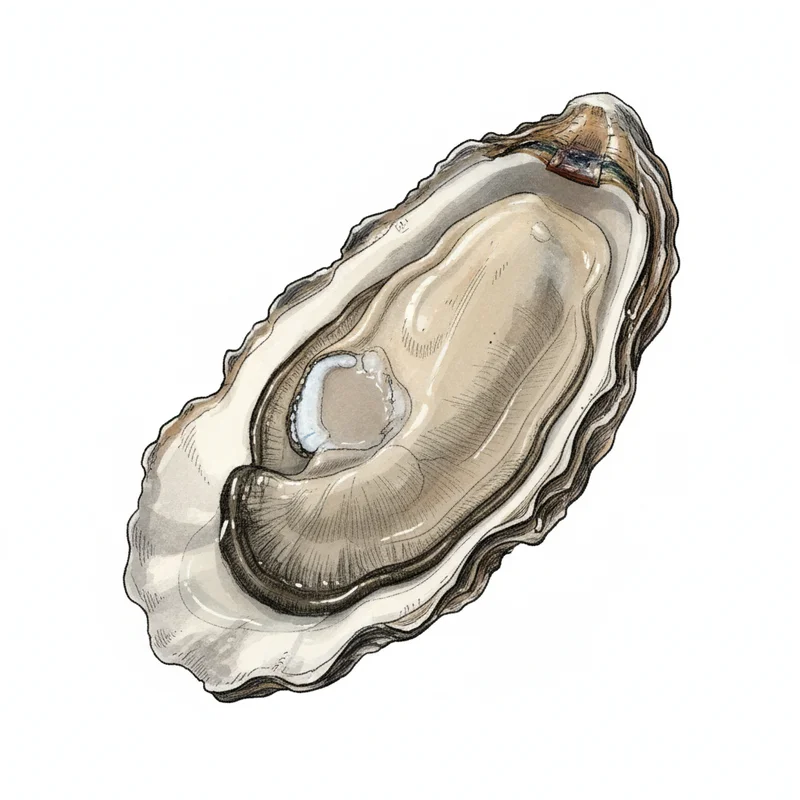
Little Ram
Crassostrea virginica
A small-to-medium North Fork oyster from Gardiners Bay, off Shelter Island. Crisp and clean with medium salinity, a mineral edge, and a sweet, mellow finish.
At a Glance
Little Ram is an Eastern oyster (Crassostrea virginica) from the US East Coast. It is moderately briny (3/5 brininess) and moderately sweet (3/5 sweetness), with crisp, briny, mineral flavors and a finish that is sweet and mellow. It is considered a beginner-friendly oyster.
Flavor Profile
Finish
Sweet and mellow
Expert Notes
Little Ram oysters grow in Gardiners Bay off the east side of Shelter Island, where water from Peconic Bay, Orient Harbor and Gardiners Bay meets. The farm keeps its cages just above the bay floor and tumbles the oysters by machine to deepen the cups and harden the shells. The grower describes them as small to medium with crisp minerality and medium salinity. The Long Island Oyster Growers Association adds that the strong current keeps them clean and crisp, with a sweet, mellow finish. Origin & Characteristics
- Species
- Crassostrea virginica
- Native to
- USA
- Grown in
- Gardiners Bay, off Shelter Island, Long Island, New York
- Size
- Small to Medium (no measurement published)
- Shell Color
- Gray-white to tan
- Meat Color
- Ivory to light gray
Where to Try It
New York City
- Cull & Pistol Oyster Bar Chelsea
On these menus when we checked on September 30, 2026. Raw-bar lists change daily.
What Tasters Say
Across 6 sources, tasters describe this oyster as:
Unique notes: mellow, sweet
"Crisp minerality, medium salinity, clean and delicious."
crispmineralclean
"Clean and crisp from the high current, with a sweet, mellow finish"
cleancrispsweetmellow
"Little Ram oysters, grown in the nutritious confluence of Peconic Bay, Orient Harbor, and Gardiner’s Bay, are blessed with a crisp, briny flavor."
crispbriny
About the Farm
Little Ram Oyster Company
Est. 2018Elizabeth Peeples and Stefanie Bassett spent 17 years in interior design and advertising before buying an oyster farm in Gardiners Bay in 2018 and moving from Brooklyn to Southold. The farm was 10 acres when they bought it; the Long Island Oyster Growers Association now lists 20 acres and more than two million oysters a year. They sell from a self-serve farmstand in Southold and an oyster vending machine they call the Oyster Automat.
- Cultivation Method
- subtidal off-bottom cages, machine tumbled
History & Background
The farm lies off the eastern shore of Shelter Island, between the two forks of eastern Long Island. Cages hang a few inches above the bay floor. Back on land the oysters are culled, sorted and tumbled, and it takes roughly 18 months to raise one from seed.
The grower says Little Ram is the only North Fork oyster grown in Gardiners Bay, and sums up the flavor with the line "they taste like vacation."
Did You Know?
- The owners got the idea after a discounted oyster-shucking class in 2017
- The farmstand sells 25 oysters for $35 in a reusable burlap bag
- The Oyster Automat is a converted fruit and vegetable vending machine kept at 36 to 39 degrees
- The farm is women-owned
Sources & References
This information was compiled from 6 sources.
- Little Ram Oyster Co Farmstand — Little Ram Oyster Company
- Little Ram Oyster Company — Little Ram Oyster Company
- Little Ram Oyster Co. — Long Island Oyster Growers Association
- Rough and Tumble: Little Ram Oyster Company — Edible Manhattan
- They Knew Little About Oysters. Now They Have a Farm With 2 Million. — The New York Times
- Get fresh oysters 24/7 with Little Ram Oyster Co.’s Oyster Automat — Northforker
Similar Oysters
Love Shuck
US East CoastA cocktail-size Maine oyster from the Damariscotta River, raised by Dodge Cove Marine Farm. Bright mineral brine, dense meat, and a light, sweet finish in a deep cup.
New Point
US East CoastA sustainably farmed New Jersey oyster from Northern Barnegat Bay. Large, strong shells with crisp, succulent texture. Fresh and briny with balanced salinity and a mild, sweet finish.
Pleasant Cove
US East CoastA small, round oyster from a cove at the mouth of Maine's Damariscotta River, shaped by wave action rather than tumbling. Salty up front, with moderate minerality and a smooth, sweet finish.
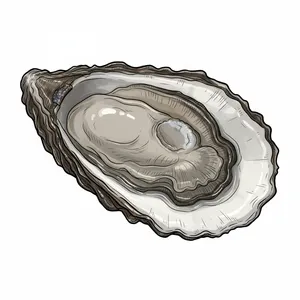
Blue Point
US East CoastThe classic Atlantic oyster. Crisp, briny, with mineral notes and a sharp, clean finish.
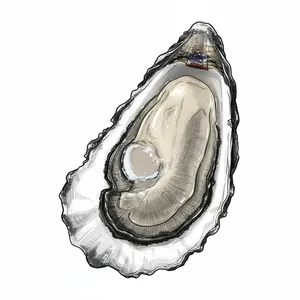
Great South Bay
US East CoastIconic Long Island oyster from the historic Blue Point grounds. Briny with high salinity, plump and meaty with firm texture, balanced sweetness, and a distinctive mineral-woody finish. Cultivated in floating cages near Fire Island Inlet.
Learn More
The Big Five: A Complete Guide to Commercial Oyster Species
Comprehensive guide to C. virginica (Atlantic), C. gigas (Pacific), C. sikamea (Kumamoto), O. lurida (Olympia), and O. edulis (European Flat)
Read article → Biology & SpeciesThe Atlantic Oyster (C. virginica): From Maritime Brine to Gulf Sweetness
Deep dive into America's indigenous East Coast oyster - flavor profiles, regional variations, and famous varieties
Read article → Merroir & EnvironmentWhat Is Merroir? How Water Shapes Oyster Flavor
Merroir is the marine version of terroir: how salinity, temperature, tides, and plankton in the growing water shape an oyster's flavor. The science, plus how to taste it.
Read article →