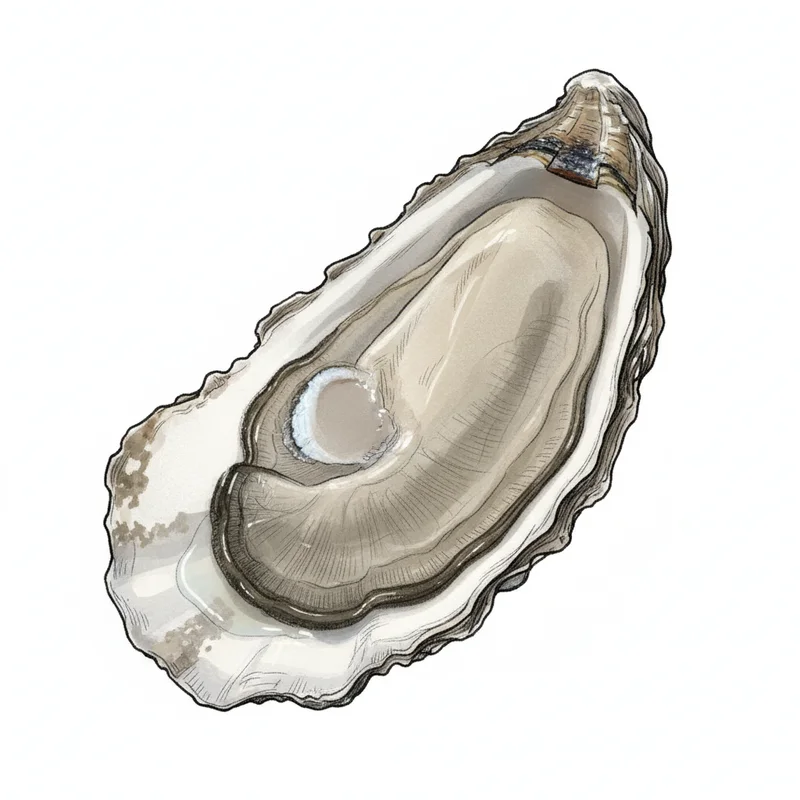
East Cape
Crassostrea virginica
A Prince Edward Island oyster from the brackish Souris River, grown in cages for three to four years and harvested through the ice in winter. Plump and firm with a savory, vegetal taste of nori and spring garlic and medium salt.
At a Glance
East Cape is an Eastern oyster (Crassostrea virginica) from the Canada East Coast. It is moderately briny (3/5 brininess) and moderately sweet (3/5 sweetness), with vegetal, savory, bright flavors and a finish that is savory and vegetal. It is considered a beginner-friendly oyster.
Flavor Profile
Finish
Savory and vegetal
Expert Notes
East Cape oysters come from the Souris River at the eastern end of Prince Edward Island, where East Cape Oyster Company took over the leases of Tommy Joe MacDonald in 2016. MacDonald, a schoolteacher, had held them since 1975 and sold his oysters as Sand Dune Selects; the company still sells an oyster called Sand Dune. Island Creek Oysters, which sells East Capes in the United States, says farmer Phil Enserink starts purchased and wild-caught seed in floating upwellers, moves it to cages, tumbles the oysters twice a year for firm shells and deep cups, and waits three to four years for market size. In winter the crew cuts through the river ice to harvest. Island Creek tastes caramelized onion, nori and spring garlic, with plump meat and a clam-like chew, and credits the brackish river for a profile unlike most island oysters. NICO in Charleston prints bright, vegetal and medium salinity. Colville Bay, also profiled here, is a Souris River oyster too. Origin & Characteristics
- Species
- Crassostrea virginica
- Native to
- North America
- Grown in
- Souris River, Souris, Prince Edward Island
- Size
- Medium (no measurement published)
- Shell Color
- Gray-white to tan
- Meat Color
- Ivory to light gray
Where to Try It
Charleston
- NICO Oysters + Seafood Shem Creek, Mount Pleasant
On these menus when we checked on October 1, 2026. Raw-bar lists change daily.
What Tasters Say
Across 4 sources, tasters describe this oyster as:
Unique notes: caramelized onions, nori, spring garlic, clam-like chew
"think caramelized onions, nori, and spring garlic. The meats are super plump and have a clam-like chew. The brackish waters from the Souris River gives his oysters a distinctively different profile than many other PEI oysters."
savorynorivegetalplumpfirm
"bright, vegetal, medium salinity"
brightvegetalmedium brine
"Nice brine up front followed by a sweet finish."
brinysweet
About the Farm
East Cape Oyster Company
Est. 2016The company says it carries on the work of Tommy Joe MacDonald, who was granted leases around the eastern end of the island in 1975, kept the ones near his family home in Souris and branded his oysters Sand Dune Selects while working for 30 years as a teacher and vice principal. East Cape took over his leases in 2016, and he still advises the crew. The company sells three oysters: East Cape, Northern Belle and Sand Dune.
- Cultivation Method
- floating upwellers, then cages; tumbled twice a year
History & Background
Island Creek Oysters gives the harvest location as Souris, East Cape, Prince Edward Island, names Phil Enserink as the farmer and says he is one of two growers in the Souris River. It reports three to four years to market. In fall the oysters are sunk deep enough to stay below the ice; for a winter harvest the crew reaches the lease by snowmobile and cuts through with a chainsaw.
NICO in Mount Pleasant listed East Cape on its menu dated 8.29.26. The company's site quotes Toronto oysterman Rodney Clark on the Souris leases' oysters: "That, my friend, is a perfect oyster."
Did You Know?
- Harvested through river ice in winter, with a chainsaw
- Three to four years from seed to market
- The leases date to 1975
- The company is based in Charlottetown; the leases are in Souris
Sources & References
This information was compiled from 4 sources.
- East Cape Oysters from Prince Edward Island, CAN — Island Creek Oysters
- Our Story — East Cape Oyster Company
- Our Oysters — East Cape Oyster Company
- Dinner menu (8.29.26) — NICO Oysters + Seafood
Similar Oysters
Black Magic
Canada East CoastA small, dark-shelled Prince Edward Island oyster from Thunder Cove, grown for three years. Smooth salinity, tender meat and a pronounced vegetal finish, with some sweetness and a faint nuttiness.
Barachois
Canada East CoastA Prince Edward Island oyster from the waters off Cymbria on the north shore, sold in choice and cocktail sizes. Deep cups and clean shells, with a bright, clean flavor that balances sweetness and salt.
Daisy Bay
Canada East CoastA well-balanced Prince Edward Island oyster grown wild in red bay mud. Leads with bright salinity and finishes with mild cucumber smoothness and sweet notes. Cultivated for 4-6 years in pristine northern waters.
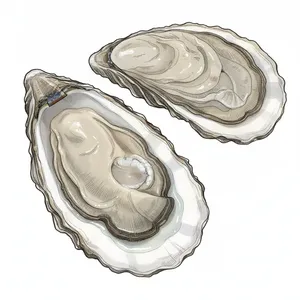
Dixon Point
Canada East CoastA small choice oyster from the entrance to Bouctouche Bay, New Brunswick, grown by The Great Little Harbour Seafood Company. Salty up front with a nutty, sweet finish.
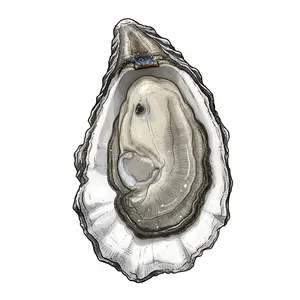
La Saint Simon
Canada East CoastSmall, delicate oyster from New Brunswick's Acadian Peninsula. Suspension-cultured with a firm texture, medium brininess, and a distinctive sweet-citrus finish that showcases the Maritime's refined oyster style.
Learn More
The Big Five: A Complete Guide to Commercial Oyster Species
Comprehensive guide to C. virginica (Atlantic), C. gigas (Pacific), C. sikamea (Kumamoto), O. lurida (Olympia), and O. edulis (European Flat)
Read article → Biology & SpeciesThe Atlantic Oyster (C. virginica): From Maritime Brine to Gulf Sweetness
Deep dive into America's indigenous East Coast oyster - flavor profiles, regional variations, and famous varieties
Read article → Merroir & EnvironmentWhat Is Merroir? How Water Shapes Oyster Flavor
Merroir is the marine version of terroir: how salinity, temperature, tides, and plankton in the growing water shape an oyster's flavor. The science, plus how to taste it.
Read article →