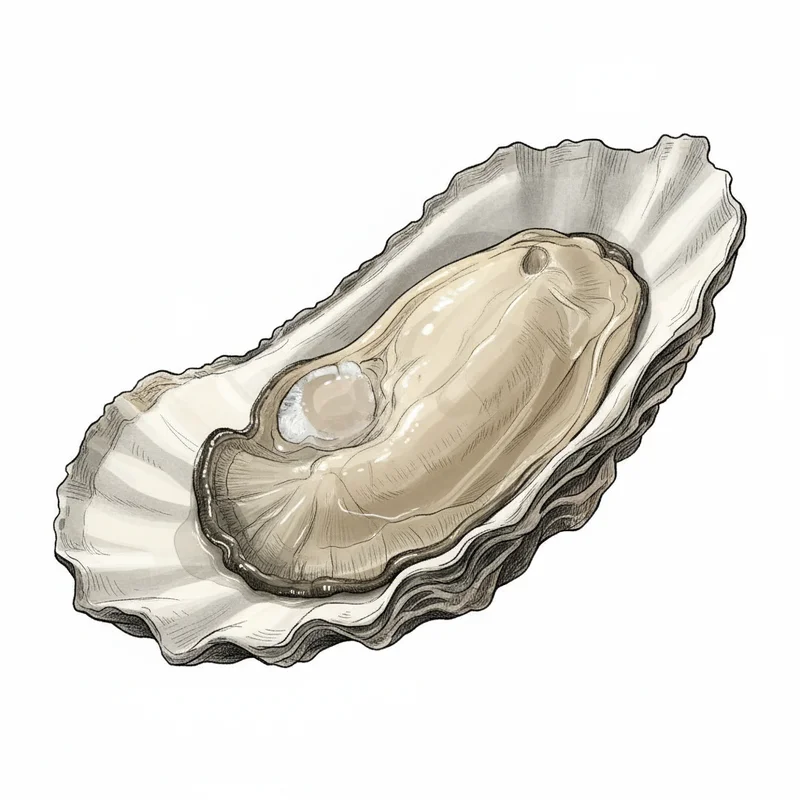
Aphrodite
Crassostrea gigas
A bag-to-beach Pacific oyster from Marrowstone Island on Washington's Olympic Peninsula. Delicate and brine forward, with a sweet, buttery cucumber finish.
At a Glance
Aphrodite is a Pacific oyster (Crassostrea gigas) from the US West Coast. It is moderately briny (3/5 brininess) and moderately sweet (3/5 sweetness), with briny, buttery, cucumber flavors and a finish that is sweet and buttery, with cucumber. It is considered a beginner-friendly oyster.
Flavor Profile
Finish
Sweet and buttery, with cucumber
Expert Notes
Aphrodite is the oyster of Moonlight Oyster Co., a small farm on Marrowstone Island near Port Townsend, Washington. Hama Hama, which sells it alongside its own oysters, describes a bag-to-beach Pacific: delicate and brine forward, with a sweet, buttery cucumber finish. The grower uses the same words, and credits the flavor to the mix of water from the Strait of Juan de Fuca with the smaller inlets of Kilisut Harbor and Mystery Bay. Hama Hama says Aphrodites are typically available from late spring to midsummer. Both descriptions come from the grower and its seller, so there is no independent tasting note yet, and no source gives a size. Origin & Characteristics
- Species
- Crassostrea gigas
- Native to
- Japan
- Grown in
- Marrowstone Island, Olympic Peninsula, Washington
- Size
- Medium (no measurement published)
- Shell Color
- Gray-white to tan
- Meat Color
- Cream to ivory
Where to Try It
Seattle
- Elliott's Oyster House Waterfront
On these menus when we checked on October 1, 2026. Raw-bar lists change daily.
What Tasters Say
Across 4 sources, tasters describe this oyster as:
Unique notes: brine forward
"Harvested from Marrowstone Island on the Olympic Peninsula, Aphrodite oysters have a delicate brine-forward flavor with a sweet, buttery, cucumber finish."
brinydelicatesweetbutterycucumber
"They're a delicate, brine forward oyster with a sweet, buttery, cucumber finish, typically available in late spring to mid summer."
brinydelicatesweetbutterycucumber
About the Farm
Moonlight Oyster Co.
Hama Hama describes Moonlight Oyster Co. as a small-scale, ecologically oriented oyster farm on Marrowstone Island, near Port Townsend. The farmer, Ralph, writes that he fell for oyster farming while working on a friend's farm and restoring Narragansett Bay, and that he has spent the last 13 years on the Olympic Peninsula. The company also runs an oyster bar.
- Cultivation Method
- bag to beach
History & Background
Moonlight Oyster Co. harvests from Marrowstone Island on the Olympic Peninsula. The grower says water from the Strait of Juan de Fuca mixes there with Kilisut Harbor and Mystery Bay, giving the oysters a distinct blend of phytoplankton to feed on.
The name is shared with an unrelated farm on the other coast, Aphrodite Oysters of South Thomaston, Maine. This profile covers the Washington oyster only.
Did You Know?
- Hama Hama lists Aphrodite among the flavor profiles it publishes for staff training
- The farmer says the oyster bar is run like the farm: fresh and simple
- Served at the oyster bar with lemon, hot sauce and a homemade vinegar mignonette
- Typically available from late spring to midsummer
Sources & References
This information was compiled from 4 sources.
- Moonlight Oyster Co: Home — Moonlight Oyster Co.
- Aphrodite Oyster Flavor Profile — Hama Hama Oyster Company
- About — Moonlight Oyster Co.
- Our Story: A Love Letter to the Sea — Aphrodite Oysters (Maine)
Similar Oysters
Rock Point
US West CoastA small, beach-raised Pacific oyster from Dabob Bay in Washington's Hood Canal. Sweet and savory with melon and cucumber notes, in a hard shell that shucks cleanly.
Shigoku
US West CoastTumbled Pacific with firm texture. Cucumber, melon, clean brine.
French Hog
US West CoastA large, buttery Pacific oyster from Tomales Bay, California. Mild and refined with distinctive cucumber and melon notes. Farmed using traditional French rack and bag methods.
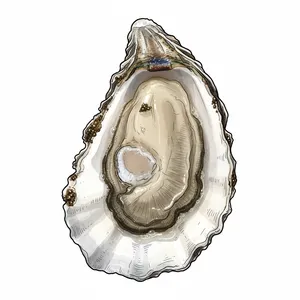
Golden Nugget
US West CoastA rare tumbled cocktail oyster from Tomales Bay's north shore. Small and deep-cupped with plump ivory meat, delivering high brine that mellows into a rich, buttery finish with hints of melon and cucumber.
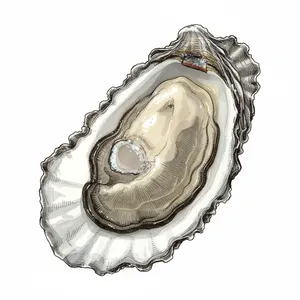
Humboldt Gold
US West CoastIntertidal beach-cultured Pacific oyster from Humboldt Bay, Northern California. Full, plump meats with medium brininess, buttery sweetness, and a clean cucumber finish. Excellent for both beginners and connoisseurs.
Learn More
The Big Five: A Complete Guide to Commercial Oyster Species
Comprehensive guide to C. virginica (Atlantic), C. gigas (Pacific), C. sikamea (Kumamoto), O. lurida (Olympia), and O. edulis (European Flat)
Read article → Biology & SpeciesThe Pacific Oyster (C. gigas): Cream, Cucumber, and the Japanese Legacy
Understanding one of the world's most widely farmed oysters - from Japanese origins to West Coast dominance
Read article → Merroir & EnvironmentWhat Is Merroir? How Water Shapes Oyster Flavor
Merroir is the marine version of terroir: how salinity, temperature, tides, and plankton in the growing water shape an oyster's flavor. The science, plus how to taste it.
Read article →