Perky Sea Cups
Crassostrea virginica
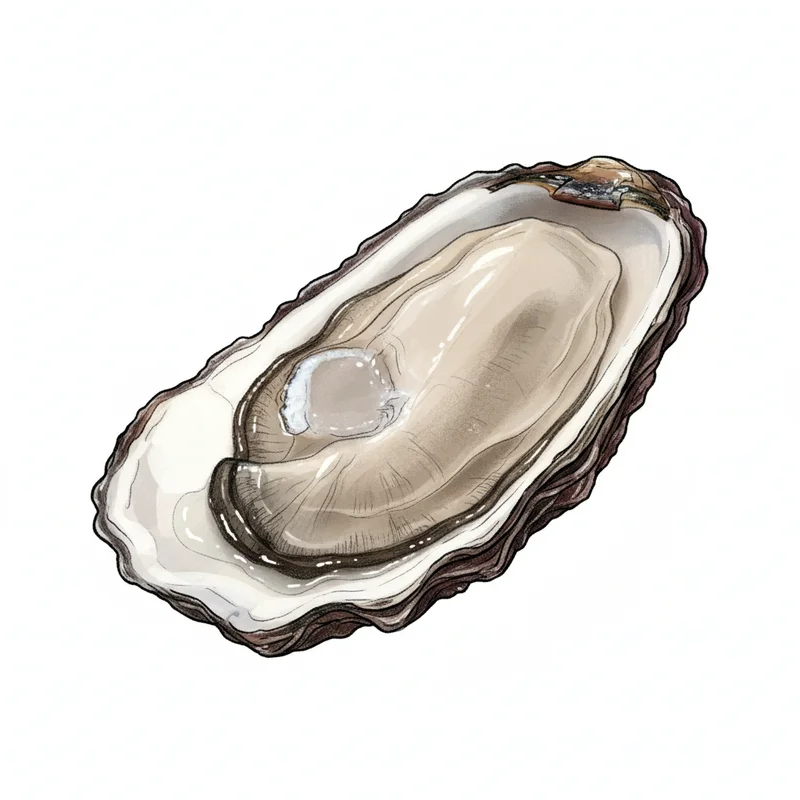
A farmed Charleston oyster from Green Creek, off the Stono River between Johns and James islands. Salty first, then vegetal and buttery with a mineral freshness, in a thick deep-cupped shell ridged in mahogany and cream.
At a Glance
Perky Sea Cups is an Eastern oyster (Crassostrea virginica) from the US East Coast. It is notably briny (4/5 brininess) and subtly sweet (2/5 sweetness), with briny, vegetal, buttery flavors and a finish that is buttery, with a mineral freshness.
Flavor Profile
Finish
Buttery, with a mineral freshness
Expert Notes
Perky Sea Cups are the flagship oyster of Charleston Oyster Farm, which works Green Creek, a tidal creek off the Stono River between Johns Island and James Island, about three miles from the ocean. The farm buys seed from Lady's Island Oysters in Beaufort, raises it in floating cages that are flipped weekly to keep barnacles off, and harvests at nine to eighteen months once the oysters pass three inches. It uses some triploid seed, which does not spawn, so the oysters can be sold in summer. The farm describes forward salinity, an almost vegetable flavor, buttery aftertones and a refreshing minerality, in a thick, rounded shell ridged in mahogany and cream. Amen Street lists them as medium in size and high in salinity. Bowens Island Restaurant serves them as its house raw oyster, and its operator told the Charleston City Paper they taste the way she expects a wild Lowcountry oyster to taste, like a gulp of salt water. Sweetness is not described by any source, so that score is a cautious one. Origin & Characteristics
- Species
- Crassostrea virginica
- Native to
- USA
- Grown in
- Green Creek, Stono River, Charleston, South Carolina
- Size
- Medium (3 inches and up)
- Shell Color
- Mahogany and cream ridges
- Meat Color
- Pearly white
Where to Try It
Charleston
- Amen Street Fish & Raw Bar Historic district
- The Ordinary King Street
On these menus when we checked on October 1, 2026. Raw-bar lists change daily.
What Tasters Say
Across 6 sources, tasters describe this oyster as:
Unique notes: almost vegetable flavor, forward salinity
"With a bountiful and forward salinity, this oyster will satiate the palate of any salty single seeker! The almost vegetable flavor is apparent throughout with buttery after tones and a refreshing minerality."
saltyvegetalbutterymineral
"They taste exactly like what I think a wild harvested Lowcounty oyster tastes like. It tastes almost like a yummy gulp of saltwater. It tastes like the ocean."
saltyoceanic
"South Carolina, Medium Size, High Salinity"
high salinity
About the Farm
Charleston Oyster Farm
Est. 2016Aquaculture North America reports that Caitlyn Mayer, her husband Peter Bierce and his brother Thomas Bierce formed the farm in 2016 and started with bottom cages, and that a 2017 permit for floating cages was appealed by neighbors. The farm's own oyster page and a 2025 Charleston City Paper story both describe floating cages today, about 250 of them according to the paper. The farm also sells a smaller oyster, Mosquito Fleet Petites, wild clusters and farm tours.
- Cultivation Method
- floating cages, flipped weekly
History & Background
The farm says its oysters are raised in Green Creek, a tidal creek off the Stono River, which separates Johns Island from James Island, three miles from the Atlantic and in front of a small island it calls Meridian. Seed comes from Lady's Island Oysters in Beaufort; the Charleston City Paper adds Cherrystone Aqua-Farms in Virginia as a second source. The farm gives nine to eighteen months to a harvest size of three inches or more.
On the Charleston menus we read on 2026-10-01, Perky Sea Cups were listed at Amen Street and at The Ordinary, which also serves a dressed version. The Charleston City Paper names Bowens Island Restaurant, Chubby Fish and others as places that carry them. The farm says the name began as an idea for a boat, Perky Seas.
Did You Know?
- The farm says the oyster was named before the farm was
- Seed comes from Lady's Island Oysters, the Beaufort hatchery behind the Single Lady oyster
- The Charleston City Paper reports the farm grades about 50 cages of oysters a week
- In summer the crew has two hours to get harvested oysters into an ice slurry
Sources & References
This information was compiled from 6 sources.
- Perky Sea Cups — Charleston Oyster Farm
- Story: What We Do — Charleston Oyster Farm
- The bivalve life: An oyster's journey from farm to table — Charleston City Paper
- Boutique farm finds its niche in South Carolina — Aquaculture North America
- A Briny Business — Charleston Magazine
- Food menu — Amen Street Fish & Raw Bar
Similar Oysters
Pleasure House
US East CoastLarge, hand-cultivated oysters from Virginia Beach's legendary Lynnhaven River. Fat and firm with bold briny saltiness, buttery notes, and a smooth, creamy finish. A quintessential Virginia Bay oyster from a boutique family operation.
Ichabod Flat
US East CoastHand-harvested intertidal oyster from Plymouth's historic mudflats in Cape Cod Bay. Meaty and briny with a buttery, bisque-like richness. Thick shells and firm texture from cold Massachusetts waters.
Lowcountry Cups
US East CoastA farmed South Carolina oyster grown in floating cages on Mosquito Creek in the ACE Basin, an hour south of Charleston. Small and deep-cupped, salty and clean with a buttery note and a crisp finish.
Norumbega
US East CoastRobust, meaty oysters from Maine's fabled Damariscotta River. Hand-harvested by scuba divers after 2-3 years bottom-planted. Sweet, buttery opening transitions to refreshing brininess with firm texture and beautiful deep cups.
Scorton Creek
US East CoastPremium Cape Cod oyster from Barnstable Harbor's Great Marsh. Bright, buttery, and exceptionally briny with firm, crisp ivory meats in deep cups. A standout from one of North America's great oyster merroirs.
Learn More
The Big Five: A Complete Guide to Commercial Oyster Species
Comprehensive guide to C. virginica (Atlantic), C. gigas (Pacific), C. sikamea (Kumamoto), O. lurida (Olympia), and O. edulis (European Flat)
Read article → Biology & SpeciesThe Atlantic Oyster (C. virginica): From Maritime Brine to Gulf Sweetness
Deep dive into America's indigenous East Coast oyster - flavor profiles, regional variations, and famous varieties
Read article → Merroir & EnvironmentWhat Is Merroir? How Water Shapes Oyster Flavor
Merroir is the marine version of terroir: how salinity, temperature, tides, and plankton in the growing water shape an oyster's flavor. The science, plus how to taste it.
Read article →