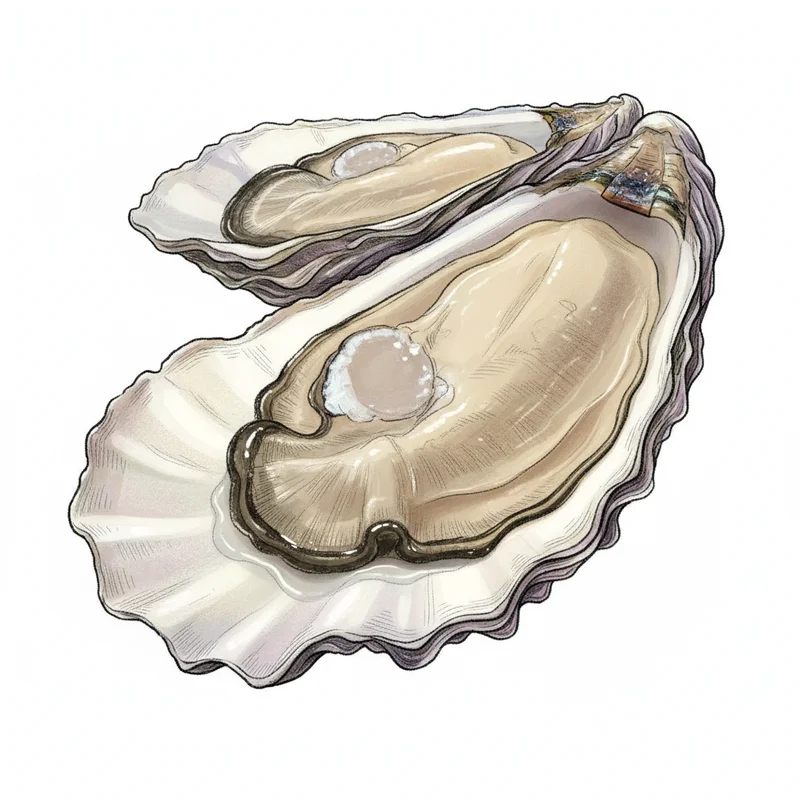
Nisqually Sweet
Crassostrea gigas
A beach-grown Pacific oyster from Hogum Bay on the Nisqually Delta in southern Puget Sound. Plump, buttery, and sweet with a bright brininess, in a fast-grown, fluted shell.
At a Glance
Nisqually Sweet is a Pacific oyster (Crassostrea gigas) from the US West Coast. It is moderately briny (3/5 brininess) and distinctly sweet (4/5 sweetness), with sweet, buttery, briny flavors and a finish that is sweet, with a bright brininess. It is considered a beginner-friendly oyster.
Flavor Profile
Finish
Sweet, with a bright brininess
Expert Notes
Nisqually Sweets are beach-grown Pacific oysters from Hogum Bay, near the mouth of the Nisqually River in southern Puget Sound. The river carries glacial melt from Mount Rainier, and the water is rich enough that the oysters reach market size in about 18 months and grow fluted shells along the way. Chefs Resources describes plump, buttery, sweet meat with a bright brininess. They are grown by National Fish & Oyster Co., a family company that has farmed the Nisqually tideflats since the 1930s. Origin & Characteristics
- Species
- Crassostrea gigas
- Native to
- Japan
- Grown in
- Hogum Bay, Nisqually Delta, South Puget Sound, Washington
- Size
- Large (Up to 5 inches)
- Shell Color
- Fluted, ruffled shell
- Meat Color
- Cream to ivory
Where to Try It
New York City
- Grand Central Oyster Bar & Restaurant Midtown East
On these menus when we checked on September 30, 2026. Raw-bar lists change daily.
What Tasters Say
Across 2 sources, tasters describe this oyster as:
Unique notes: fresh, salty-sweet
"Nisqually Sweet Oysters have plump, buttery meats with a sweet flavor and a bright brininess."
plumpbutterysweetbriny
"We had these wonderful oysters on the half-shell, and found them buttery and salty-sweet."
butterysaltysweet
"Pacific oysters that derive their characteristic fresh flavor profiles from the glacial freshwater of the Nisqually river."
fresh
About the Farm
National Fish & Oyster Co.
National Fish & Oyster Co. was founded by Samuel Bulldis and is still run by his descendants. In 2014 his great-granddaughter Miranda Ries managed 350 acres of company tidelands and another 900 leased acres, where the company also grows Manila clams and geoduck. Sources date the start of oyster farming here to 1936 (ThurstonTalk) or 1939 (Chefs Resources).
- Cultivation Method
- beach culture (bags on the tideflats)
History & Background
The Nisqually River runs from the Nisqually Glacier on the southwest flank of Mount Rainier to a delta near Olympia, Washington. Seed is raised in tanks on algae the company grows, then planted in bags fixed to the tideland floor.
Chefs Resources notes that Nisqually Sweets can be hard to find outside the Seattle area. The Grand Central Oyster Bar in New York lists a Washington State oyster simply as "Nisqually."
Did You Know?
- Reach market size in about 18 months
- The fluted shells come from fast growth
- Unbroken shells are recycled as a base for the next crop of oyster seed
- The same family has farmed the tideflats for four generations
Sources & References
This information was compiled from 2 sources.
- Nisqually Sweet Oysters — Chefs Resources
- National Fish and Oyster Co: Shellfish Farming on the Nisqually Delta for Four Generations — ThurstonTalk
Similar Oysters
Humboldt Gold
US West CoastIntertidal beach-cultured Pacific oyster from Humboldt Bay, Northern California. Full, plump meats with medium brininess, buttery sweetness, and a clean cucumber finish. Excellent for both beginners and connoisseurs.
Calm Cove
US West CoastBeach-grown Pacific oyster from Washington's Totten Inlet and Hood Canal. Sweet and creamy with balanced brininess and a clean mineral finish. Cultivated by the Fagergren Family since 1946 in the nutrient-rich waters of South Puget Sound.
Cold Creek
US West CoastCultivated Pacific oyster from Southern Puget Sound with plump, sweet meat and midsized white-and-black shells. Balanced brininess with a distinctive salty-melon finish reminiscent of a New England clambake.
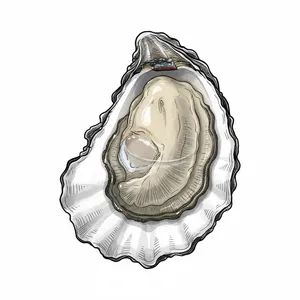
Eagle Rock
US West CoastClassic Totten Inlet oyster from South Puget Sound. Bag-to-beach cultivated for creamy, sweet meat with high brininess and the distinctive nori finish that defines the region. Saltier than most South Sound varieties.
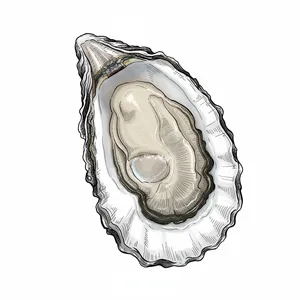
Henderson Inlet
US West CoastA community-farmed Puget Sound oyster from a restored watershed. Small and plump with sweet, buttery meat, light salinity, and a distinctive cucumber-earthy finish. All proceeds support water quality restoration.
Learn More
The Big Five: A Complete Guide to Commercial Oyster Species
Comprehensive guide to C. virginica (Atlantic), C. gigas (Pacific), C. sikamea (Kumamoto), O. lurida (Olympia), and O. edulis (European Flat)
Read article → Biology & SpeciesThe Pacific Oyster (C. gigas): Cream, Cucumber, and the Japanese Legacy
Understanding one of the world's most widely farmed oysters - from Japanese origins to West Coast dominance
Read article → Merroir & EnvironmentWhat Is Merroir? How Water Shapes Oyster Flavor
Merroir is the marine version of terroir: how salinity, temperature, tides, and plankton in the growing water shape an oyster's flavor. The science, plus how to taste it.
Read article →