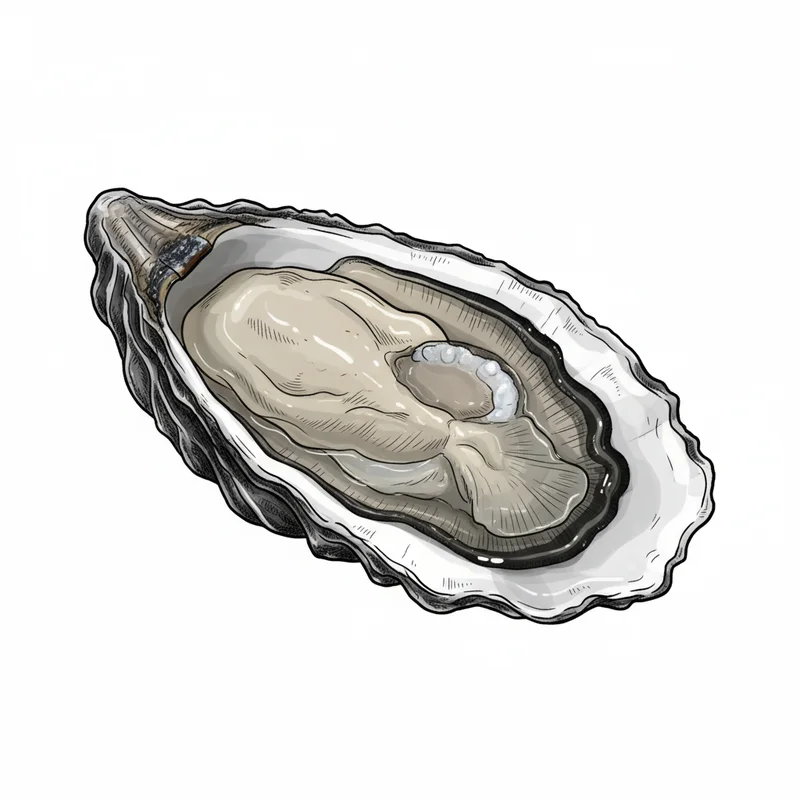
Murder Point
Crassostrea virginica
Family-farmed Gulf Coast oyster from Bayou La Batre, Alabama, known as 'butter love' for its signature rich, buttery flavor. Balanced mild salinity with a sweet-mineral finish and plump, creamy texture from careful tide-tumbled cultivation.
At a Glance
Murder Point is an Eastern oyster (Crassostrea virginica) from the US Gulf Coast. It is moderately briny (3/5 brininess) and distinctly sweet (4/5 sweetness), with buttery, mild brine flavors and a finish that is sweet and mineral, with a light metallic note. It is considered a beginner-friendly oyster.
Flavor Profile
Finish
Sweet and mineral, with a light metallic note
Expert Notes
Murder Point oysters have earned their nickname 'butter love' through their remarkably rich, buttery flavor profile that sets them apart in the Gulf Coast oyster landscape. Hand-raised using longline basket farming techniques and tide-tumbled to perfection, these oysters achieve a perfect balance between creamy richness and mild salinity. The plump, juicy meat often rises above the shell, showcasing the quality craftsmanship of five generations of Gulf oyster farming expertise. Origin & Characteristics
- Species
- Crassostrea virginica
- Native to
- USA
- Grown in
- Bayou La Batre, Alabama
- Size
- Medium (2-3 inches)
- Shell Color
- White and black
- Meat Color
- Cream to light gray
Perfect Pairings
What Tasters Say
Across 9 sources, tasters describe this oyster as:
Unique notes: butter love, metallic finish, sweet-mineral, crisp
"One of the best oysters I have ever had, coming from a life long oyster lover descended from generational oyster lovers. They are beautiful, clean and with a fine sweet-mineral finish. Salinity is not pronounced, but it is there to taste unlike many gulf oysters."
sweetmineralcleanmild salinity
"The Murder Point oysters are a perfect balance of salty and buttery taste. They are plump and juicy. They are divine!"
saltybutteryplumpjuicy
"They are crisp, sweet and slightly salty. Amazingly wonderful oysters!"
crispsweetslightly salty
"These are hand-crafted beauties that will challenge your assumptions. These are often harvested around 18-22 ppt, and plump up above the shell. Amongst the best oysters I've ever had."
plump
"These oysters shocked the hell out of everyone when they hit the market as petite, buttery oysters in a land of wild, muddy beasts. Deep-cupped and plump, these silky oysters finish sweet and clean."
butterypetiteplumpsilkysweet
"Only seconds out of the water, it's soft and salty, rich and buttery. I bite down on the center, releasing a burst of briny flavor."
softsaltyrichbutterybriny
"The oysters were lukewarm, mildly salty, sublimely buttery, and as relaxed as an afternoon on the beach. An excellent experience."
mildly saltybuttery
"Each oyster will deliver a full, rich, creamy taste; a hint of butter flavor and a light metallic finish."
fullrichcreamybuttermetallic
"When you eat one of our oysters, you'll get a blast of salt and a rich, creamy, buttery aftertaste. It's all about the 'butter love.'"
saltyrichcreamybuttery
About the Farm
Murder Point Oyster Company (Sandy Bay Oyster Company)
Est. 2014The Zirlott family has been in commercial fishing for five generations, with oystering roots dating back to 1892. Lane Zirlott and family transitioned from shrimping to oyster farming to diversify and sustain the family business, bringing deep stewardship and passion to their work.
- Cultivation Method
- suspended culture
History & Background
The name 'Murder Point' originates from a historical event in 1927, where a deadly dispute erupted between the Lawson and Copeland families over an oyster lease at what was then called Myrtle Point. A Copeland beat a Lawson with a baseball bat and shot him on his front porch, changing the name forever.
Murder Point Oyster Company is one of the fifteen producers of farmed oysters in Alabama and operates the only farm in Alabama with its own hatchery, making them vertically integrated from conception to plate. They've become known for introducing surprisingly refined, buttery oysters to a region traditionally known for wild, muddy oysters.
Did You Know?
- The company's slogan is 'Oysters worth killing for'
- The Zirlott family has an oyster license dating back to 1892
- They are the only Alabama farm with their own hatchery, making them completely vertically integrated
- They use an Australian longline system that tumbles oysters in the tide
- The oysters are lifted out of the water once a week for 24 hours to dry and bask in the sun
Sources & References
This information was compiled from 9 sources.
- Murder Point Oyster - Oysterater — Oysterater
- A State-by-State Guide to the South's 35 Best Oysters — Garden & Gun
- Oysters, Alabama Style — The Bitter Southerner
- Murder Point Oysters | Premium Tide-Tumbled Oysters from Alabama — Murder Point Oysters
- Mobile Made: Murder Point Oysters Full of 'Butter Love' — Visit Mobile
- Murder Point Oysters — Country Roads Magazine
- Murder Point Oysters - The Oyster Encyclopedia — Oyster Encyclopedia
- 6 Things That Make Murder Point Oysters Scary Good — In A Half Shell
- Oysters & Chablis Pairing Guide — Oyster Guide
Murder Point: A Closer Look
- Origin
- Portersville Bay, near Bayou La Batre, Alabama
- Species
- Eastern oyster (Crassostrea virginica)
- Grower
- The Zirlott family, a fifth-generation Gulf fishing family
- Name
- The point was once Myrtle Point; a deadly fight over an oyster lease in the late 1920s renamed it
- Cultivation
- Hatchery seed in baskets on an Australian longline system, tumbled by the tide
- Flavor
- Mild salt, rich butter, and a sweet, slightly metallic finish
Murder Point is a farmed Gulf oyster from Portersville Bay on the Alabama coast. It is an Eastern oyster, Crassostrea virginica, the same species as most wild Gulf oysters. Murder Point does not taste like a typical Gulf oyster. When it reached restaurants, it surprised chefs: one Atlanta oyster-bar owner said it shocked people as a petite, buttery oyster from a region known for big, wild, muddy ones.
The name comes from local history. The point of land on Portersville Bay was once called Myrtle Point. In the late 1920s, two families fought over an oyster lease there, and the fight ended in a killing. Sources give 1926, 1927, or 1929 as the year. Since then, the point has been Murder Point. The farm uses the name with a wink: its slogan is "Oysters worth killing for."
The Zirlotts have fished the Gulf for five generations, and the family holds an oyster license from 1892. Lane Zirlott worked as a shrimp-boat captain. In 2012 his mother, Rosa, took an oyster-farming course at Auburn University's shellfish lab on Dauphin Island. The family then grew their own crop, and Lane moved to oyster farming full-time. The farm now seeds its oysters in its own hatchery instead of taking them from wild reefs.
The oysters grow off the bottom in mesh baskets hung on an Australian longline system. The tide tosses the baskets, which tumbles the oysters and gives them deep, smooth, often colorful cups. Once a week the crew lifts the oysters out of the water to dry for about 24 hours, and grades them. The oysters reach market size in about 14 to 16 months, faster than oysters in colder northern water.
The result is a plump, creamy oyster with mild salt, about 18 to 22 parts per thousand at harvest. The family calls them "butter love" and compares the taste to salted butter. Tasters describe a balance of salt and butter and a clean, sweet-mineral finish with a light metallic note. They go well with Champagne or a crisp Sancerre.
Sources for this deep dive
This deep dive was drafted from the cited sources below and is under editorial review.
- Murder Point Oysters — Country Roads Magazine
- A State-by-State Guide to the South's 35 Best Oysters — Garden & Gun
- Murder Point Oyster — Oysterater
- Lane Zirlott Wants To Take You By Surprise — Outstanding in the Field
- Our Story — Murder Point Oysters
Similar Oysters
Galveston Bay
US Gulf CoastTexas-sized Gulf Coast oyster from Galveston Bay. Large, firm, and exceptionally meaty with mild brine and natural sweetness. Freshwater influence creates a fatty, creamy texture with subtle minerality and vegetable notes. Perfect for raw or chargrilled preparations.
Point aux Pins
US Gulf CoastAlabama's pioneering boutique oyster from Grand Bay. Small, tender, and silky with a signature buttery, creamed-corn sweetness. Mild on brine, big on oysterness.
Kellum
US East CoastA mild Chesapeake Bay oyster packed by W.E. Kellum Seafood of Weems, Virginia, a family company since 1948. Plump and tender with little salt and a buttery, sweet taste; it comes from beds across Virginia's Northern Neck and Middle Peninsula.
Cedar Island Select
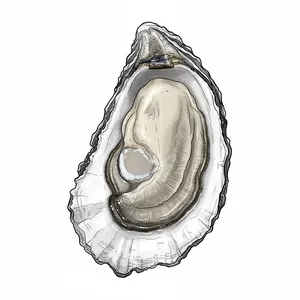
US East CoastA flagship North Carolina oyster from Cedar Island Bay's pristine waters. Large and deep-cupped with balanced brininess and a distinctive sweet, buttery finish. Sustainably farmed in floating cages.
Chadwick Creek
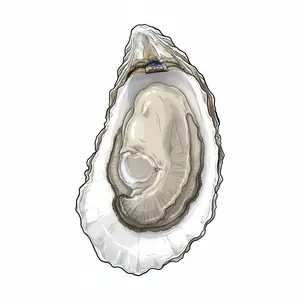
US East CoastDelicate and buttery North Carolina oyster from Pamlico Sound. Deep-cupped with bright white shells, featuring a sweet finish and balanced brininess. Cultivated in off-bottom cages.
Learn More
The Big Five: A Complete Guide to Commercial Oyster Species
Comprehensive guide to C. virginica (Atlantic), C. gigas (Pacific), C. sikamea (Kumamoto), O. lurida (Olympia), and O. edulis (European Flat)
Read article → Biology & SpeciesThe Atlantic Oyster (C. virginica): From Maritime Brine to Gulf Sweetness
Deep dive into America's indigenous East Coast oyster - flavor profiles, regional variations, and famous varieties
Read article → Merroir & EnvironmentWhat Is Merroir? How Water Shapes Oyster Flavor
Merroir is the marine version of terroir: how salinity, temperature, tides, and plankton in the growing water shape an oyster's flavor. The science, plus how to taste it.
Read article →