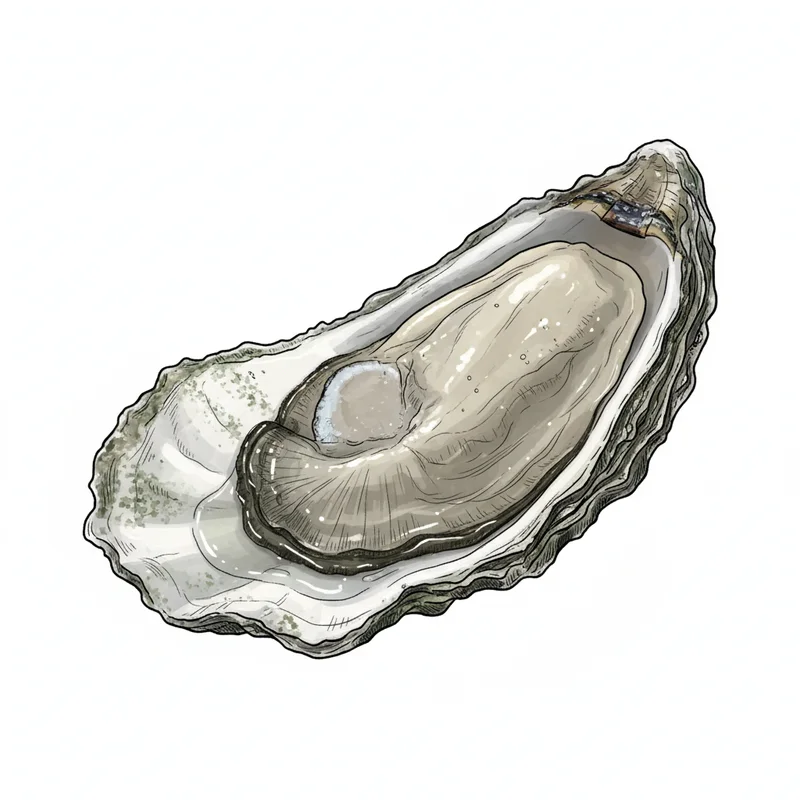
Mecox Bay Oysters
Crassostrea virginica
Also known as Wild Fire Island
Wild-harvested Long Island oyster from the deep, cold waters of Mecox Bay. Delicate and balanced with mild brininess, pronounced sweetness, and a clean mineral finish reminiscent of classic Bluepoints.
At a Glance
Mecox Bay is an Eastern oyster (Crassostrea virginica) from the US East Coast. It is mildly briny (2/5 brininess) and distinctly sweet (4/5 sweetness), with sweet, mild brine flavors and a finish that is mild mineral finish with sweet aftertaste. It is considered a beginner-friendly oyster.
More oysters like Mecox Bay
Flavor Profile
Finish
Mild mineral finish with sweet aftertaste
Expert Notes
Mecox Bay oysters are wild-harvested from the deep, cold waters of a small bay on Long Island's east end, fed by fast-flowing tributaries. These oysters deliver a delicate, balanced experience with low salinity and a pronounced sweetness that lingers on the palate. Their mild brininess, earthy undertones, and crisp mineral finish make them comparable to classic Bluepoints, offering a full-bodied yet refined taste that showcases the terroir of their pristine Long Island waters. Origin & Characteristics
- Species
- Crassostrea virginica
- Native to
- USA
- Grown in
- Mecox Bay, Long Island, New York
- Size
- Small to Medium (2.5-3 inches)
- Shell Color
- Gray-white with green hue
- Meat Color
- Cream to light gray
What Tasters Say
Across 4 sources, tasters describe this oyster as:
Unique notes: oddly alkaline, Fort Knox shell
"Its flavor is awfully mild, not salty, and oddly alkaline."
mildalkalinenot salty
"They grow slower, too, so a market-sized Mecox Bay is at least three years old, with a Fort Knox shell that makes it easier to shuck than any other Long Island oyster. Its oysters flourish at thirty feet, where they stay cold and crisp."
coldcrisp
"Flavor Profile: medium brine, herbaceous, earthy, mild mineral finish"
medium brineherbaceousearthymineralmild mineral finish
About the Farm
Mecox Bay oysters are wild-harvested, not farmed. They represent one of the last robust populations of wild oysters in the Long Island region.
- Cultivation Method
- wild harvest
History & Background
Mecox Bay is home to a surprisingly robust population of wild oysters, perhaps the last in the Long Island region. Unlike shallow Great South Bay, Mecox is a deep hole where oysters flourish at thirty feet depth.
Mecox Bay has maintained a stable wild oyster population while other Long Island oyster fisheries have declined. The bay is located in an area known for weekend mansions and is a rare source of wild oysters.
Did You Know?
- Mecox Bay oysters have 'Fort Knox' shells that are actually easier to shuck than other Long Island oysters despite being very thick
- Market-sized Mecox Bay oysters are at least three years old due to slower growth at deeper, colder depths
- Can only be harvested seasonally from mid-November to the end of April
Sources & References
This information was compiled from 4 sources.
- Mecox Bay - The Oyster Guide — oysterguide.com
- East Coast Vs West Coast Oysters: The Crave Fishbar Tasting Guide — cravefishbar.com
- The Case for Oysters, Our Sixth Ingredient of the Week — ediblebrooklyn.com
- Flying Point Oysters - The Oyster Encyclopedia — oysterencyclopedia.com
Similar Oysters
38 Degrees North
US East CoastA balanced Chesapeake Bay oyster. Mild, slightly sweet with refined brine and a clean finish. Firm and meaty from floating cage cultivation.
Kellum
US East CoastA mild Chesapeake Bay oyster packed by W.E. Kellum Seafood of Weems, Virginia, a family company since 1948. Plump and tender with little salt and a buttery, sweet taste; it comes from beds across Virginia's Northern Neck and Middle Peninsula.
Paramour
US East CoastA mild, refined East Coast oyster cultivated in Narragansett Bay, Rhode Island, with origins from Virginia's Atlantic-facing Parramore Island. Despite full ocean exposure, it delivers a surprisingly gentle brine with firm meat and a clean, fruity finish.
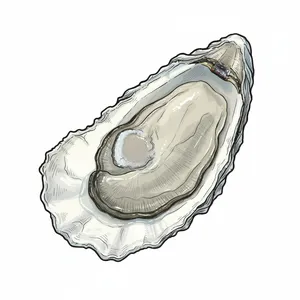
Potomac Whitecap
US East CoastA sweetwater Chesapeake oyster from the Potomac River region. Delicate and sweet with smooth creaminess, medium brine, and a clean finish. Plump meats reflect the freshwater influence of Virginia's Upper Bay Western Shore.
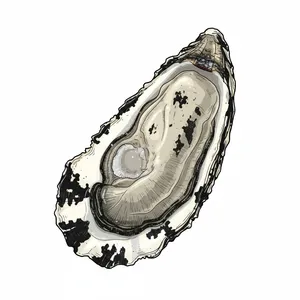
Stingray
US East CoastThe quintessential Chesapeake Bay oyster from Mobjack Bay, Virginia. Perfectly balanced between sweet and salty with a clean, crisp finish. Distinctive white shell with black markings.
Common questions
What do Mecox Bay oysters taste like?
Mecox Bay oysters are mildly briny (2/5 brininess) and distinctly sweet (4/5 sweetness), with sweet and mild brine primary flavors and secondary notes described as earthy, mineral, clean, and balanced. The finish is mild mineral finish with sweet aftertaste.
Where are Mecox Bay oysters from?
Mecox Bay oysters come from Mecox Bay, Long Island, New York, on the US East Coast. The species is Crassostrea virginica (Eastern oyster).
What oysters are similar to Mecox Bay?
Based on our flavor ratings, origin and species, oysters similar to Mecox Bay include 38 Degrees North, Kellum, and Paramour.
What goes well with Mecox Bay oysters?
Our guide pairs Mecox Bay oysters with Sauvignon Blanc, Champagne, Prosecco, Pilsner, and Chablis.
Learn More
The Big Five: A Complete Guide to Commercial Oyster Species
Comprehensive guide to C. virginica (Atlantic), C. gigas (Pacific), C. sikamea (Kumamoto), O. lurida (Olympia), and O. edulis (European Flat)
Read article → Biology & SpeciesThe Atlantic Oyster (C. virginica): From Maritime Brine to Gulf Sweetness
Deep dive into America's indigenous East Coast oyster - flavor profiles, regional variations, and famous varieties
Read article → Merroir & EnvironmentWhat Is Merroir? How Water Shapes Oyster Flavor
Merroir is the marine version of terroir: how salinity, temperature, tides, and plankton in the growing water shape an oyster's flavor. The science, plus how to taste it.
Read article →