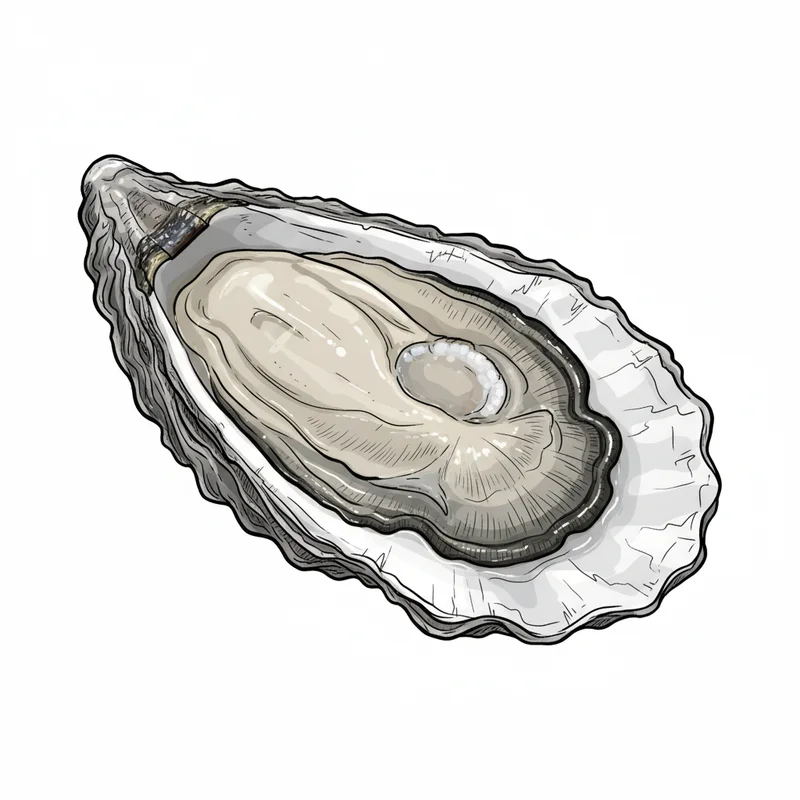
Duck Island Petite Oysters
Crassostrea virginica
Also known as Duck Island
A small, farm-raised oyster from Long Island Sound with extremely mild flavor and plump meat. Lightly brined with a notably sweet finish, perfect for those seeking a gentle introduction to East Coast oysters.
At a Glance
Duck Island Petite is an Eastern oyster (Crassostrea virginica) from the US East Coast. It is mildly briny (2/5 brininess) and distinctly sweet (4/5 sweetness), with mild, sweet flavors and a finish that is sweet, clean, gentle. It is considered a beginner-friendly oyster.
More oysters like Duck Island Petite
Flavor Profile
Finish
Sweet, clean, gentle
Expert Notes
Duck Island Petite oysters are prized for their extremely mild flavor profile and plump, tender meat. These small, farm-raised oysters from Long Island Sound showcase the gentle salinity of Connecticut waters with a notably sweet finish. Their delicate character and low brininess make them highly accessible while maintaining the rich, flavorful taste that Connecticut oysters are known for. Origin & Characteristics
- Species
- Crassostrea virginica
- Native to
- USA
- Grown in
- Long Island Sound, Connecticut, Long Island, New York
- Size
- Small (2.5-3 inches)
- Shell Color
- Gray-white
- Meat Color
- Plump, cream
What Tasters Say
Across 5 sources, tasters describe this oyster as:
Unique notes: plain brown, pale meat, flavor almost nonexistent, cocktail-sized
"Cute, plain brown little oysters from Long Island Sound. These 2.5-inch oysters are in the Caraquet category of nonthreatening. The shells are quite thick, the meats pale and plump, the flavor almost nonexistent."
mildplumpnonthreatening
"A cocktail-sized Bluepoint, the little sis of the Saddlerock."
cocktail-sizedmild
"Small, mild, easy"
smallmildeasy
"Our favorites of the night were: Duck Island Petite (NY), Moonstone (RI), Flying Point (ME), Totten Inlet (WA), Olympia (WA), and Kumamoto (WA)."
favoritesucculent
"plump meat, extremely mild flavor"
plumpextremely mild
About the Farm
Cultivated in Long Island Sound, described as the 'little sis of the Saddlerock' and a cocktail-sized version of the traditional Bluepoint oyster.
- Cultivation Method
- rack and bag
History & Background
Duck Island Petite oysters are a smaller variant from Long Island Sound, Connecticut, related to the historic Bluepoint and Saddle Rock oyster traditions of the region.
These oysters are positioned as an approachable, non-threatening introduction to East Coast oysters, often featured at oyster events like the Old Ebbitt Oyster Riot.
Did You Know?
- Described as the 'little sis of the Saddlerock'
- Featured at the Old Ebbitt Oyster Riot X where they were among favorites
- Farm raised to cocktail size (approximately 2.5 inches)
Sources & References
This information was compiled from 5 sources.
- Duck Island Petite - The Oyster Guide — oysterguide.com
- Duck Island Petite Oyster - Oysterater — oysterater.com
- Overwhelmed by Oysters — welovedc.com
- The Raw Oyster's Tasting Guide — therawoyster.com
- Duck Island Petite Oyster - Theodore International — theodore-international.com
Similar Oysters
James River
US East CoastA mild Virginia oyster from the brackish waters where the James River meets the Chesapeake Bay. Exceptionally plump with low salinity, focusing on sweet cream and savory, earthy notes with a smooth finish.
38 Degrees North
US East CoastA balanced Chesapeake Bay oyster. Mild, slightly sweet with refined brine and a clean finish. Firm and meaty from floating cage cultivation.
Beach Point
US East CoastA boutique oyster from Barnstable Harbor, Cape Cod. Meaty and plump with light brininess, bright sweet cream flavor, and a crisp finish. Only 30,000 raised annually with meticulous care.
Chesapeake
US East CoastClassic Chesapeake Bay oyster from Maryland and Virginia. Sweet and buttery with balanced brininess and a smooth, creamy texture. Grown in brackish waters that create the bay's signature mild, refined flavor.
Flying Point
US East CoastA full-bodied Maine oyster from Maquoit Bay. Plump with balanced salinity, sweet and salty finish. Grown on tidal mud flats where ocean brine meets nutrient-rich wetland waters.
Common questions
What do Duck Island Petite oysters taste like?
Duck Island Petite oysters are mildly briny (2/5 brininess) and distinctly sweet (4/5 sweetness), with mild and sweet primary flavors and secondary notes described as clean, delicate, and lightly brined. The finish is sweet, clean, gentle.
Where are Duck Island Petite oysters from?
Duck Island Petite oysters come from Long Island Sound, Connecticut and Long Island, New York, on the US East Coast. The species is Crassostrea virginica (Eastern oyster).
What oysters are similar to Duck Island Petite?
Based on our flavor ratings, origin and species, oysters similar to Duck Island Petite include James River, 38 Degrees North, and Beach Point.
What goes well with Duck Island Petite oysters?
Our guide pairs Duck Island Petite oysters with Prosecco, Sauvignon Blanc, Champagne, and Light Pilsner.
Learn More
The Big Five: A Complete Guide to Commercial Oyster Species
Comprehensive guide to C. virginica (Atlantic), C. gigas (Pacific), C. sikamea (Kumamoto), O. lurida (Olympia), and O. edulis (European Flat)
Read article → Biology & SpeciesThe Atlantic Oyster (C. virginica): From Maritime Brine to Gulf Sweetness
Deep dive into America's indigenous East Coast oyster - flavor profiles, regional variations, and famous varieties
Read article → Merroir & EnvironmentWhat Is Merroir? How Water Shapes Oyster Flavor
Merroir is the marine version of terroir: how salinity, temperature, tides, and plankton in the growing water shape an oyster's flavor. The science, plus how to taste it.
Read article →