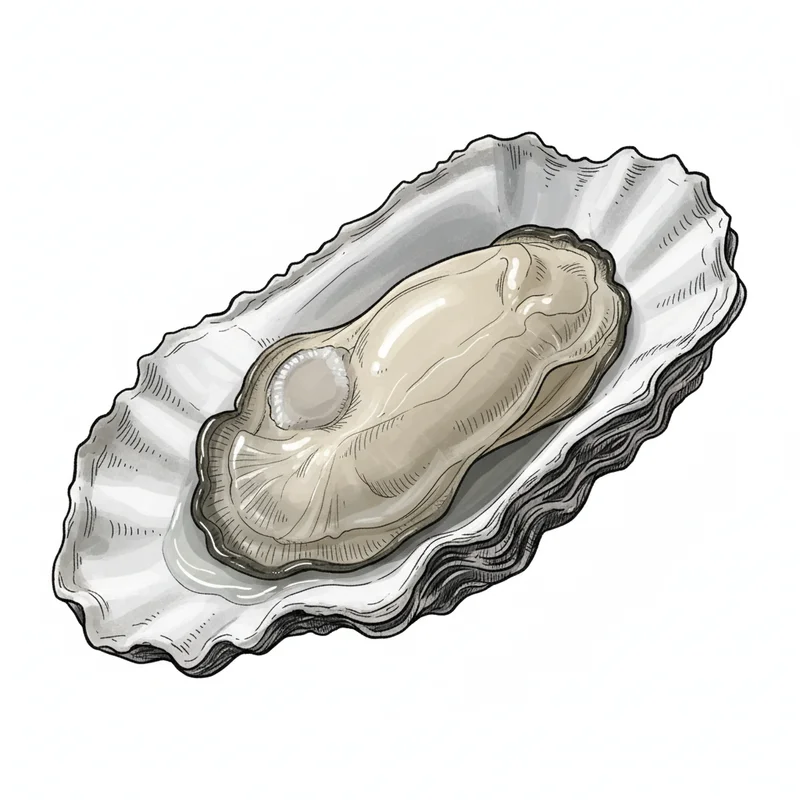
Deer Creek
Crassostrea gigas
Intertidal beach-cultivated Pacific oyster from Hood Canal in Washington's Puget Sound. Deep-cupped with full meats, crisp brininess, and a distinctive sweet melon finish with mild mineral notes.
At a Glance
Deer Creek is a Pacific oyster (Crassostrea gigas) from the US West Coast. It is notably briny (4/5 brininess) and moderately sweet (3/5 sweetness), with briny, sweet melon flavors and a finish that is clean with mild mineral and sweet melon notes.
Flavor Profile
Finish
Clean with mild mineral and sweet melon notes
Expert Notes
Deer Creek oysters are sold by Penn Cove Shellfish, which says only that they grow on the cobbled beaches of Puget Sound. Chefs Resources and Oysterater both place them in Hood Canal, and some menus list them under South Puget Sound; it is one brand either way. They take about 3 years to reach market size. These intertidal beach-grown oysters develop full, plump meats with a crisp, fresh brininess that's balanced by a distinctive sweet melon finish. The clean, mineral character reflects the pristine waters of the Puget Sound, while the deep cup ensures generous meat-to-shell ratio. Their bright salinity and refreshing finish make them a quintessential Pacific Northwest oyster. Origin & Characteristics
- Species
- Crassostrea gigas
- Native to
- Japan
- Grown in
- Hood Canal, Puget Sound, Washington
- Size
- Small (2.5-3 inches)
- Shell Color
- White to gray
- Meat Color
- Cream to light gray
Where to Try It
New York City
- Crave Fishbar Midtown East
On these menus when we checked on September 30, 2026. Raw-bar lists change daily.
Seattle
- Elliott's Oyster House Waterfront
On these menus when we checked on October 1, 2026. Raw-bar lists change daily.
What Tasters Say
Across 8 sources, tasters describe this oyster as:
Unique notes: lightly salted melon, fragrant cucumber bouquet, springy meat
"This oyster is grown on the cobble beaches of the Puget Sound. Harvested at approximately 2 yrs of age this oyster has a fresh, briny and crisp flavor. The cup is round and deep and flush with meat."
brinycrispfresh
"A fragrant cucumber bouquet with a big bite revealing a lightly salted melon taste and a springy meat."
cucumbermelonlightly saltedspringy
"This two and a half to three inch extra small oyster is just the right size to taste and yet full of fresh, briny and crisp flavor to leave one desiring more."
freshbrinycrisp
"A perfectly sized oyster for those just beginning to discover one of nature's best kept secrets. This 2.5-3 inch extra small oyster, is just the right sized to taste and yet full of a fresh, briny and crisp flavor to leave one desiring more."
freshbrinycrisp
About the Farm
Penn Cove Shellfish
Est. 1975Penn Cove Shellfish, the oldest and largest mussel farm in the United States, was established in 1975 by the Jefferds family in Coupeville, Washington.
- Cultivation Method
- intertidal beach cultivated
History & Background
Penn Cove Shellfish, which sells Deer Creek oysters, gives the location only as the cobbled beaches of Puget Sound. Chefs Resources says they are raised on the cobble beaches of South Hood Canal, and Oysterater lists them under Hood Canal. Some restaurant menus file them under South Puget Sound.
The intertidal culture process toughens these oysters, leaving them with hard, sturdy shells that are ideal for shucking, making them popular among oyster professionals.
Did You Know?
- Recommended as a perfectly sized oyster for beginners
- Harvested at approximately two years of age
- The intertidal zone exposure creates exceptionally hard shells perfect for shucking
Sources & References
This information was compiled from 8 sources.
- Oysters - West Coast - Crassostrea gigas | Deer Creek — Fortune Fish & Gourmet
- Deer Creek — Penn Cove Shellfish
- Deer Creek Oysters - The Oyster Encyclopedia — The Oyster Encyclopedia
- Deer Creek Oysters — Chefs Resources
- OYSTER VARIETIES — The Seafood Merchants
- Deer Creek Oysters — Whidbey Shellfish
- Our Shellfish — Penn Cove Shellfish
- Deer Creek Oyster — Oysterater
Similar Oysters
Penn Cove
US West CoastThe definitive Pacific oyster. Firm, briny meats with bright cucumber and umami notes, finished clean and steely.
Blue Pool
US West CoastTumbled Pacific oyster from Hood Canal's Hamma Hama River. Deep-cupped with smooth shells, featuring a creamy, crunchy texture and complex flavor profile of cucumber, crisp brine, and a distinctive sweet-vegetal finish.
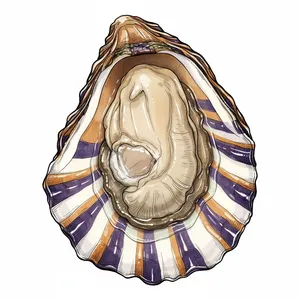
Carlsbad Blonde
US West CoastSouthern California's signature oyster from Carlsbad's Agua Hedionda Lagoon. Grown in suspended culture with distinctive glassy, striped shells. Strongly briny with refreshing melon and cucumber notes, balanced between briny and sweet.
Dabob Bay
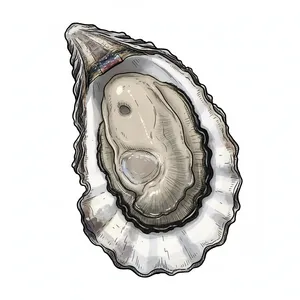
US West CoastIntertidal beach-grown Pacific oyster from the pristine waters of Hood Canal's Dabob Bay. Light and crisp with pronounced brininess from slow growth in cold, nutrient-limited waters. Firm meat with a clean, sweet finish.
Elkhorn
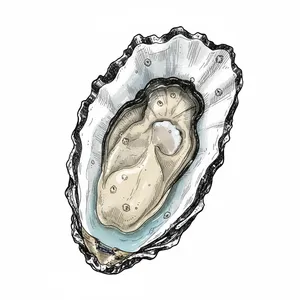
US West CoastBeach-grown Pacific oyster from Washington's Willapa Bay. Firm and meaty with intense, robust flavor featuring high brininess, natural sweetness, and a distinctive mineral-melon finish.
Learn More
The Big Five: A Complete Guide to Commercial Oyster Species
Comprehensive guide to C. virginica (Atlantic), C. gigas (Pacific), C. sikamea (Kumamoto), O. lurida (Olympia), and O. edulis (European Flat)
Read article → Biology & SpeciesThe Pacific Oyster (C. gigas): Cream, Cucumber, and the Japanese Legacy
Understanding one of the world's most widely farmed oysters - from Japanese origins to West Coast dominance
Read article → Merroir & EnvironmentWhat Is Merroir? How Water Shapes Oyster Flavor
Merroir is the marine version of terroir: how salinity, temperature, tides, and plankton in the growing water shape an oyster's flavor. The science, plus how to taste it.
Read article →