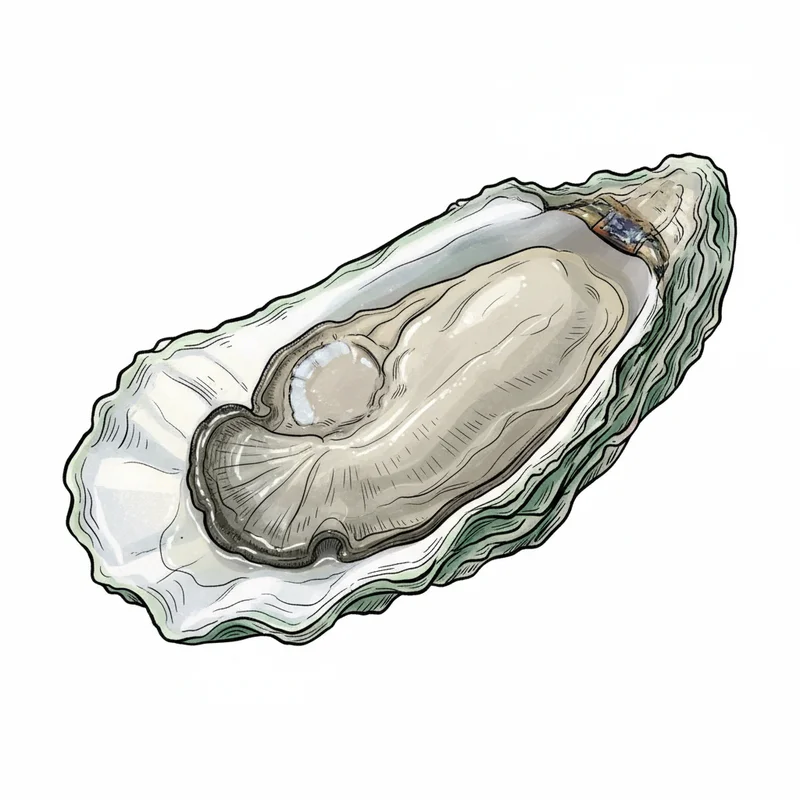
Conway Cup Oysters
Crassostrea virginica
Also known as Conway
A deeply cupped Prince Edward Island oyster from Cascumpec Bay. Sweet and delicate with mild brininess and a clean finish. Bottom-grown on sandy substrate for firm, full meats.
At a Glance
Conway Cup is an Eastern oyster (Crassostrea virginica) from the Canada East Coast. It is mildly briny (2/5 brininess) and distinctly sweet (4/5 sweetness), with sweet, mild brine flavors and a finish that is clean, sweet, refreshing. It is considered a beginner-friendly oyster.
More oysters like Conway Cup
Flavor Profile
Finish
Clean, sweet, refreshing
Expert Notes
Conway Cup oysters are bottom-grown on the sandy floor of Cascumpec Bay, where the Foxley River empties into the bay. These well-defined, deeply cupped oysters develop full, firm meats with a delicate sweetness and mild salinity. The clean finish and balanced flavor profile make them an excellent half-shell variety, showcasing the pristine waters of Prince Edward Island with a refined, approachable character. Origin & Characteristics
- Species
- Crassostrea virginica
- Native to
- USA
- Grown in
- Cascumpec Bay, Prince Edward Island
- Size
- Medium (3-3.5 inches)
- Shell Color
- White with pastel greenish hue
- Meat Color
- Light gray to cream
What Tasters Say
Across 5 sources, tasters describe this oyster as:
Unique notes: pastel greenish hue, ocean-fresh, tender, juicy, balanced
"Conway Cup Oysters have deep cups and full meats with a mild brininess and a clean, sweet finish."
mildbrinycleansweet
"These oysters are deep cupped and well defined with a pastel greenish hue. The meats are full with a mildly salty flavor and a sweet clean finish."
mildly saltysweetclean
"These deep-cupped oysters are a terrific half shell variety. The Conway's mild salinity pairs well with a sweet finish."
mild salinitysweet
"Medium cups and moderate salinity."
moderate salinity
"They were mild salinity, deep cup, sweet finish, meaty, tender, juicy and ocean-fresh tasting."
mild salinitysweetmeatytenderjuicy
"Low salinity, fresh and mild with a pleasant oyster flavor and slight sweetness. So balanced this is a new favorite."
low salinityfreshmildslight sweetnessbalanced
About the Farm
Atlantic Aqua Farms
Conway Cups are grown on the sandy bottom of Cascumpec Bay, which is the body of water that the Foxley River empties into.
- Cultivation Method
- bottom culture
History & Background
Popular half shell variety from Prince Edward Island's Northwestern region, sourced from the Foxley River area near Cascumpec Bay.
Did You Know?
- The shells often display a pastel greenish hue
- Available July through February
Sources & References
This information was compiled from 5 sources.
- Conway Cup Oysters — Atlantic Aqua Farms
- Conway Cup Oysters - Chefs Resources — Chefs Resources
- Live Oysters - Fortune Fish & Gourmet — Fortune Fish & Gourmet
- Oysters - DiCarlo Seafood — DiCarlo Seafood
- Conway Cup Oyster — Oysterater
Similar Oysters
Northumberland
Canada East CoastClean, mild oyster from the Northumberland Strait between PEI and New Brunswick. Mildly sweet with balanced brine and a cool finish. Known for their larger size and light, firm texture shaped by nutrient-rich Atlantic waters.
Ruisseau
Canada East CoastTray-grown Eastern oyster from Eel Lake, Nova Scotia. Sweet and rich with mild salinity, ivory flesh, and a clean finish. Highly prized in Canada's Maritimes and Quebec, rarely found outside the region.
Beausoleil
Canada East CoastThe perfect starter oyster from New Brunswick's Miramichi Bay. Small, refined, and elegantly mild with yeasty notes, subtle hazelnut sweetness, and a creamy texture. Farmed in floating trays that ensure pristine, uniform shells.
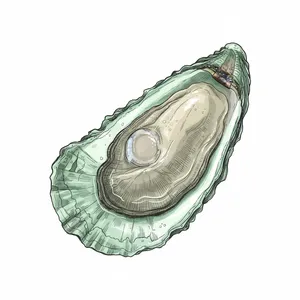
Colville Bay
Canada East CoastCanada's most sought-after oyster. Stunning jade shells, crunchy texture, and bright nutty-sweet flavors with a floral lemon zest finish.
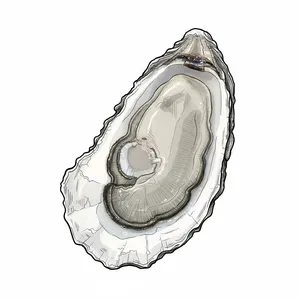
38 Degrees North
US East CoastA balanced Chesapeake Bay oyster. Mild, slightly sweet with refined brine and a clean finish. Firm and meaty from floating cage cultivation.
Common questions
What do Conway Cup oysters taste like?
Conway Cup oysters are mildly briny (2/5 brininess) and distinctly sweet (4/5 sweetness), with sweet and mild brine primary flavors and secondary notes described as clean, balanced, and delicate. The finish is clean, sweet, refreshing.
Where are Conway Cup oysters from?
Conway Cup oysters come from Cascumpec Bay, Prince Edward Island, on the Canada East Coast. The species is Crassostrea virginica (Eastern oyster).
What oysters are similar to Conway Cup?
Based on our flavor ratings, origin and species, oysters similar to Conway Cup include Northumberland, Ruisseau, and Beausoleil.
What goes well with Conway Cup oysters?
Our guide pairs Conway Cup oysters with Sauvignon Blanc, Champagne, Prosecco, and Pilsner.
Learn More
The Big Five: A Complete Guide to Commercial Oyster Species
Comprehensive guide to C. virginica (Atlantic), C. gigas (Pacific), C. sikamea (Kumamoto), O. lurida (Olympia), and O. edulis (European Flat)
Read article → Biology & SpeciesThe Atlantic Oyster (C. virginica): From Maritime Brine to Gulf Sweetness
Deep dive into America's indigenous East Coast oyster - flavor profiles, regional variations, and famous varieties
Read article → Merroir & EnvironmentWhat Is Merroir? How Water Shapes Oyster Flavor
Merroir is the marine version of terroir: how salinity, temperature, tides, and plankton in the growing water shape an oyster's flavor. The science, plus how to taste it.
Read article →