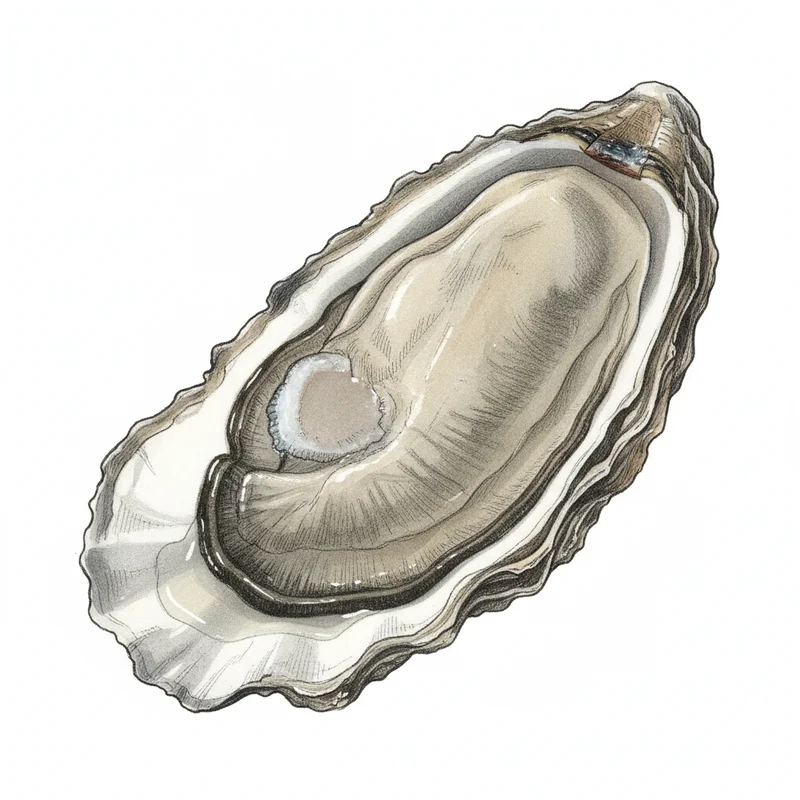
Bombazine
Crassostrea virginica
A high-salinity Maine oyster from the New Meadows River in Brunswick, grown in surface cages and tumbled for a deep cup. Bold brine, a grassy middle, and a dry, nutty finish.
At a Glance
Bombazine is an Eastern oyster (Crassostrea virginica) from the US East Coast. It is intensely briny (5/5 brininess) and subtly sweet (2/5 sweetness), with briny, grassy, crisp flavors and a finish that is dry, crisp, and lingering, with a nutty note.
Flavor Profile
Finish
Dry, crisp, and lingering, with a nutty note
Expert Notes
Bombazine oysters are grown beside Bombazine Island in the New Meadows River in Brunswick, Maine. The river is really an embayment with very little freshwater, and the grower says that is what gives the oyster its powerful brine. The farm raises them in surface cages for about two years and tumbles them for deep cups; they never touch the bottom. Salt comes first, then a bright, grassy note the grower compares to hay and seaweed, a little sweetness from the adductor, and a dry, nutty finish. Island Creek Oysters tastes honeydew at the end instead. Origin & Characteristics
- Species
- Crassostrea virginica
- Native to
- USA
- Grown in
- New Meadows River, Brunswick, Maine
- Size
- Medium (3-3.5 inches)
- Shell Color
- Gray-white to tan
- Meat Color
- Ivory to light gray
Where to Try It
New York City
- Maison Premiere Williamsburg, Brooklyn
On these menus when we checked on September 30, 2026. Raw-bar lists change daily.
What Tasters Say
Across 4 sources, tasters describe this oyster as:
Unique notes: dry, honeydew, seaweed, cashew
"Bombazine Oysters are a high-salinity oyster with a bright, grassy start, followed by a subtle sweetness from the adductor, and a dry, crisp finish."
saltygrassysweetdrycrisp
"Briny, grassy first taste, and a dry, nutty finish"
brinygrassydrynutty
"Powerful brine, with a smooth, honeydew finish."
brinysmoothhoneydew
"Notes of fresh seaweed give way to a subtle sweetness and a light creaminess in the finish."
seaweedsweetcreamybriny
About the Farm
Bombazine Oyster Company
Est. 2018The farm began in 2018 as Ferda Farms, started by a former shucker and three high school seniors, and now trades as Bombazine Oyster Company. It is a small family-run operation that also offers farm tours, catering and a guest suite on the river. Island Creek Oysters credits the crew with building its own solar-powered tumblers.
- Cultivation Method
- floating surface cages, tumbled
History & Background
The farm sits in a narrow tidal channel between Bombazine and Lower Coombs Islands, where the tide brings in cold water from Casco Bay twice a day. The grower says the site sees some of the highest phytoplankton counts in Maine because of the river's glacial sediment and varied bottom.
The oyster takes its name from Bombazine Island. Pangea Shellfish lists it at about 3.25 inches after two to three years, available year-round.
Did You Know?
- The New Meadows River is technically an embayment, not a river
- The oysters never touch the bottom during their two years of growth
- The grower describes creamy, nutty notes like cashew in winter
- The farm started with a former shucker and three high school seniors
Sources & References
This information was compiled from 4 sources.
- Bombazine Oysters | New Meadows River, Maine — Maine Oyster Company
- Bombazine Oyster — Pangea Shellfish Oysterology
- Bombazine Oysters from Brunswick, ME — Island Creek Oysters
- Ferda Farms LLC - Home of the Bombazine Oyster — Bombazine Oyster Company
Similar Oysters
Mere Point
US East CoastA tumbled Maine oyster from the shallow bays around Mere Point in Brunswick. Dense, crisp meat with high salinity, a subtle sweetness, and a clean, bright finish.
Wet Smack
US East CoastA petite Casco Bay oyster from Recompense Cove in Freeport, Maine, tumbled by wind and waves in floating bags. Fat, firm meat that is salty and sweet with a crisp finish.
Cedar Island
US East CoastFarm-raised North Carolina oyster from Core Sound near Cedar Island. Medium-sized with full, firm meat and a bright, crisp brininess that delivers a clean, salty finish.
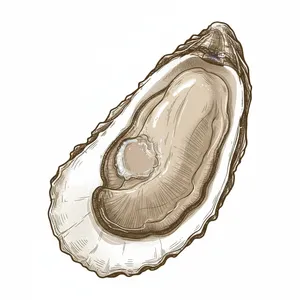
Chatham
US East CoastAn intensely briny Cape Cod oyster from Oyster Pond in Chatham, Massachusetts. Deep-cupped with firm meat and a powerful 'slap you in the face' salinity balanced by lingering sweetness and crystal-clear flavor.
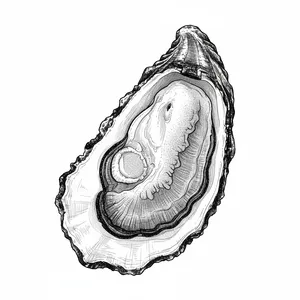
New Point
US East CoastA sustainably farmed New Jersey oyster from Northern Barnegat Bay. Large, strong shells with crisp, succulent texture. Fresh and briny with balanced salinity and a mild, sweet finish.
Learn More
The Big Five: A Complete Guide to Commercial Oyster Species
Comprehensive guide to C. virginica (Atlantic), C. gigas (Pacific), C. sikamea (Kumamoto), O. lurida (Olympia), and O. edulis (European Flat)
Read article → Biology & SpeciesThe Atlantic Oyster (C. virginica): From Maritime Brine to Gulf Sweetness
Deep dive into America's indigenous East Coast oyster - flavor profiles, regional variations, and famous varieties
Read article → Merroir & EnvironmentWhat Is Merroir? How Water Shapes Oyster Flavor
Merroir is the marine version of terroir: how salinity, temperature, tides, and plankton in the growing water shape an oyster's flavor. The science, plus how to taste it.
Read article →