Wild Oysters
3 oysters in our guide list wild as a flavor note, as a secondary note for all of them. Examples include Drakes Bay, Lambertini, and Lameque.
Wild oysters
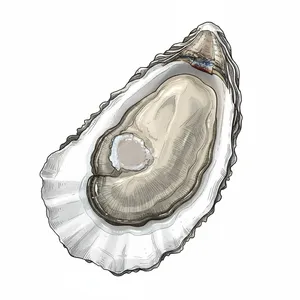
Drakes Bay
US West CoastHistoric Pacific oyster from Drake's Estero in Point Reyes National Seashore, California, where the farm shut down at the end of 2014. Intensely briny with earthy, mushroomy notes and a bitter herb finish. Oysters sold under the Drakes name today are grown in Baja California and have their own profile, Drakes Baja.
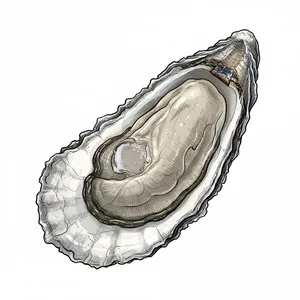
Lambertini
US East CoastOne of the most famous oysters from Long Island. Large and robust with heavy, gnarly shells. Intensely briny and metallic with a bold, wild character. Not for beginners—these are big, strong, and unapologetically uncouth.
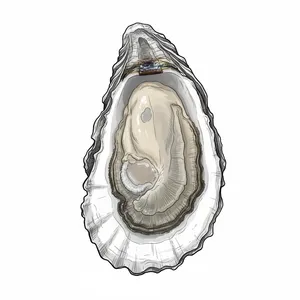
Lameque
Canada East CoastSmall cold-water oyster from Chaleur Bay, New Brunswick. Heavy, gnarly shells with intensely briny, metallic flavor. Robust and wild—not for beginners.
Common questions
Which oysters have wild flavor notes?
3 oysters in our guide list wild as a flavor note, as a secondary note for all of them. Examples include Drakes Bay, Lambertini, and Lameque.
Where do oysters with wild notes come from?
The largest group comes from the Canada East Coast (1 of 3), followed by the US East Coast (1).
What flavors often appear with wild in oysters?
Among these oysters, the notes that appear most often alongside wild are briny (3 of 3), metallic (2 of 3), and robust (2 of 3).
What pairs well with oysters that have wild notes?
The pairings our guide lists most often for them are Champagne (3 of 3), Muscadet (3 of 3), and Chablis (2 of 3).