Tannic Oysters
4 oysters in our guide list tannic as a flavor note, as a secondary note for all of them. Examples include Belon (Maine), European Flat, and Hog Island Cliffside.
Tannic oysters
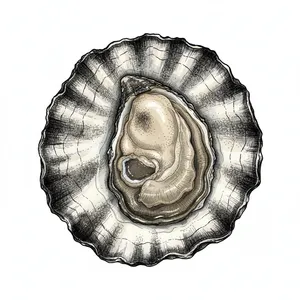
Belon (Maine)
US East CoastRare wild European Flat oyster harvested from Maine's cold waters. One of only 5,000 harvested annually. Intensely metallic and mineral with bold coppery flavors and umami notes—powerful and unforgettable.
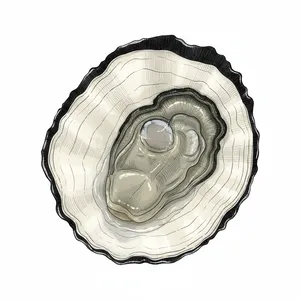
European Flat
FranceA refined yet powerful oyster with distinctive metallic and coppery notes. The European species offers a bold mineral character unlike any Pacific or Atlantic oyster.
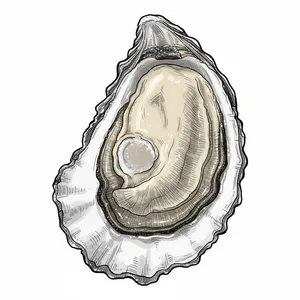
Hog Island Cliffside
US West CoastLarge, deeply cupped Pacific oyster from Discovery Bay, Washington. Intensely briny with herbaceous spinach/kale notes and a distinctive umami finish reminiscent of aged beef or dried nori. Complex and bold.
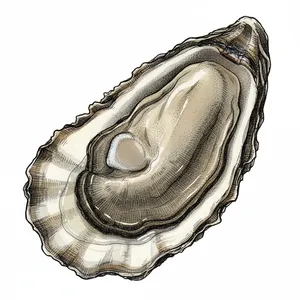
Oysterponds
US East CoastLarge, deep-cupped Long Island oyster with distinctive umber-and-black shells. Intensely briny and savory with strong mineral character, tannic bite, and full musky flavor. Best September through April.
Common questions
Which oysters have tannic flavor notes?
4 oysters in our guide list tannic as a flavor note, as a secondary note for all of them. Examples include Belon (Maine), European Flat, and Hog Island Cliffside.
Where do oysters with tannic notes come from?
The largest group comes from the US East Coast (2 of 4), followed by France (1).
What flavors often appear with tannic in oysters?
Among these oysters, the notes that appear most often alongside tannic are briny (3 of 4), mineral (3 of 4), and metallic (2 of 4).
What pairs well with oysters that have tannic notes?
The pairings our guide lists most often for them are Champagne (4 of 4), Muscadet (4 of 4), and Chablis (2 of 4).