Musky Oysters
4 oysters in our guide list musky as a flavor note, as a primary note for 1 of them. Examples include Little Skookum, Bald Point, and Barron Point.
Musky oysters
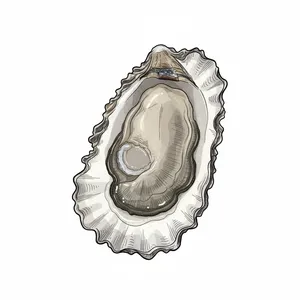
Bald Point
US West CoastSmall, beach-cultured Pacific oyster from Hood Canal, Washington. Low brininess with a sweet, delicate flavor and distinctive musky finish. Hardy shells from intertidal cultivation.
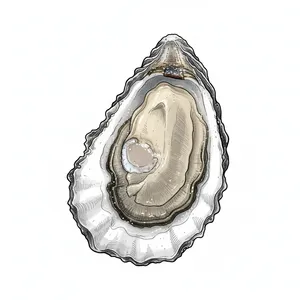
Barron Point
US West CoastHand-sized Pacific oyster from Little Skookum Inlet in southern Puget Sound. Sweet and mildly salty with plump, tender meat and a distinctive musky finish. A well-balanced West Coast favorite.
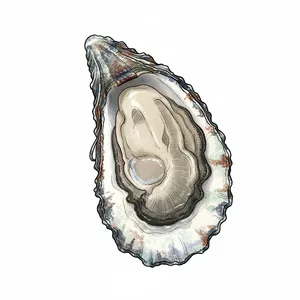
Little Skookum
US West CoastA sweet, musky Pacific oyster from Little Skookum Inlet in South Puget Sound. Deep-cupped with plump, buttery meat, mild brininess, and distinctive melon-scented sweetness with a clean vegetable finish.
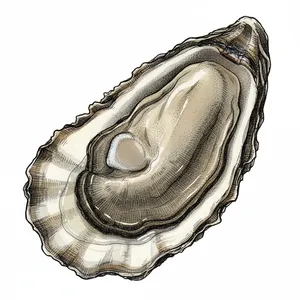
Oysterponds
US East CoastLarge, deep-cupped Long Island oyster with distinctive umber-and-black shells. Intensely briny and savory with strong mineral character, tannic bite, and full musky flavor. Best September through April.
Common questions
Which oysters have musky flavor notes?
4 oysters in our guide list musky as a flavor note, as a primary note for 1 of them. Examples include Little Skookum, Bald Point, and Barron Point.
Where do oysters with musky notes come from?
The largest group comes from the US West Coast (3 of 4), followed by the US East Coast (1).
What flavors often appear with musky in oysters?
Among these oysters, the notes that appear most often alongside musky are mild brine (3 of 4), sweet (3 of 4), and clean (2 of 4).
What pairs well with oysters that have musky notes?
The pairings our guide lists most often for them are Pilsner (4 of 4), Chablis (3 of 4), and Sauvignon Blanc (3 of 4).
Are oysters with musky notes good for beginners?
3 of the 4 are marked beginner-friendly in our guide, including Bald Point, Barron Point, and Little Skookum.